Australia Backs US-Led AI Supply Chain Agreement Amid Strategic Competition With China
· GlobeWire Daily Editorial Desk · Source: www.abc.net.au
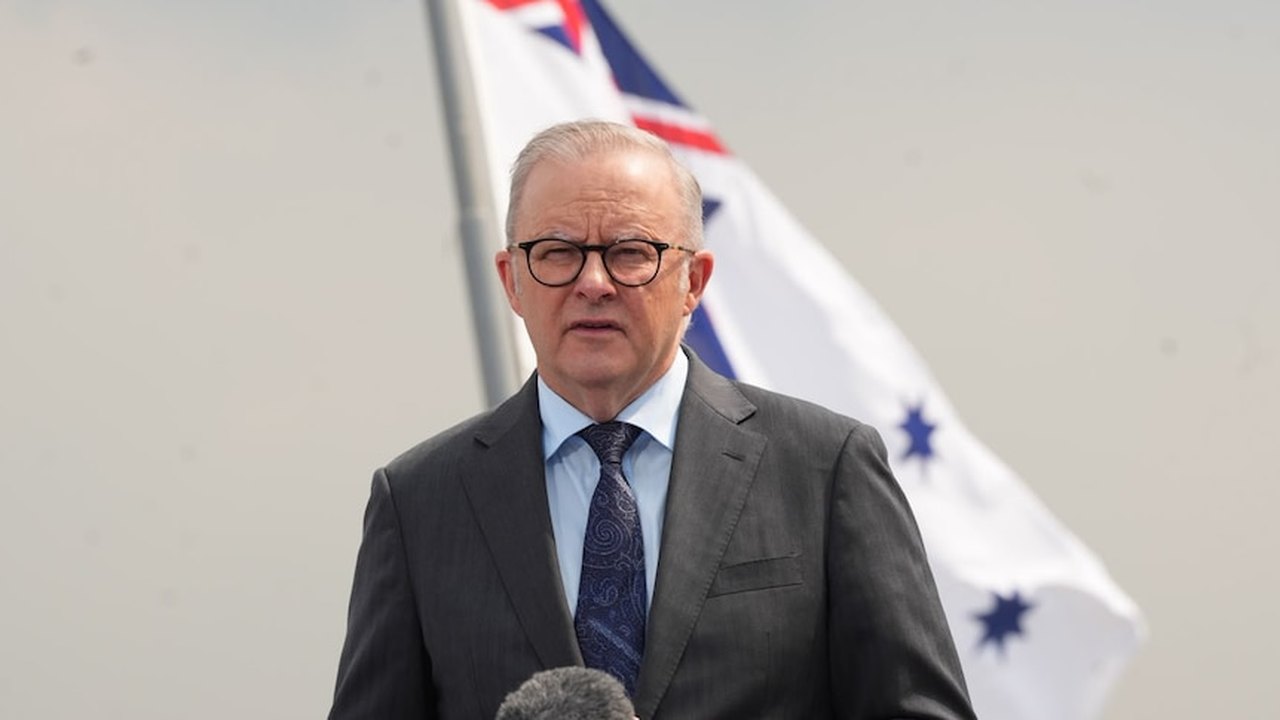
Image: www.abc.net.au · Photo source · Resized and letterboxed to 16:9; no AI generation
Australia has joined a United States-led agreement designed to protect sensitive artificial intelligence technology and critical supply chains, as Washington and Beijing compete for technological influence.
Prime Minister Anthony Albanese addressed regional leaders at the Association of Southeast Asian Nations (ASEAN) summit in Manila on Monday, stating that nations must actively shape artificial intelligence rather than allow it to dictate outcomes. A government spokesperson stated that Australia's participation in the new declaration aims to secure relied-upon technologies and supply chains.
The San Francisco Declaration and Pax Silica
The agreement, known as the San Francisco Declaration, was signed by 10 countries, including Australia, Japan, India, and the United Kingdom. It forms part of the broader US-led Pax Silica initiative, which Australia joined previously.
- Core Objectives: The accord seeks to reduce reliance on nations that might disrupt access to critical minerals, energy, data centres, and transport networks.
- Collaborative Measures: Participating countries will work together to identify vulnerable supply chains, protect sensitive technology from theft or foreign interference, and strengthen domestic industries.
- Upcoming Meetings: Prime Minister Albanese is expected to meet with US President Donald Trump during the Quad leaders' dialogue in the Philippines, alongside Indian Prime Minister Narendra Modi and Japanese Prime Minister Sanae Takaichi.
Geopolitical Tensions and Regional Divisions
The expansion of the US-led AI alliance occurs against a backdrop of intensifying competition between Washington and Beijing, particularly in South-East Asia. While countries like Singapore and the Philippines have joined Pax Silica, other ASEAN nations including Indonesia, Malaysia, Vietnam, and Cambodia have supported a rival Chinese initiative, the World AI Congress Organisation (WAICO).
Experts note that China controls a dominant share of global critical mineral refining, while the US leads in advanced computer chip design. Analysts suggest that the broad scope of Pax Silica raises questions regarding its practical implementation, as independent experts highlight ongoing regional maneuvering and competition for technological leadership between the two superpowers.
Practical Implications and Verification
- Access and Security: Analysts indicate that closer alignment with US initiatives may enhance Australia's access to advanced American AI models, while national security considerations steer policy away from Chinese alternatives.
- Verification: Readers can review official statements from the Department of the Prime Minister and Cabinet, or consult primary diplomatic releases from the Quad and ASEAN summits to verify announcements regarding the San Francisco Declaration.
AI-assisted reporting; source claims are attributed and have not been independently verified.
More to read
 Loftware Announces Agreement to Acquire Seagull Software to Expand Supply Chain and Labeling Solutions
 Researchers Hijack Hugging Face Account for Kokoro AI Model to Highlight Supply Chain Risks
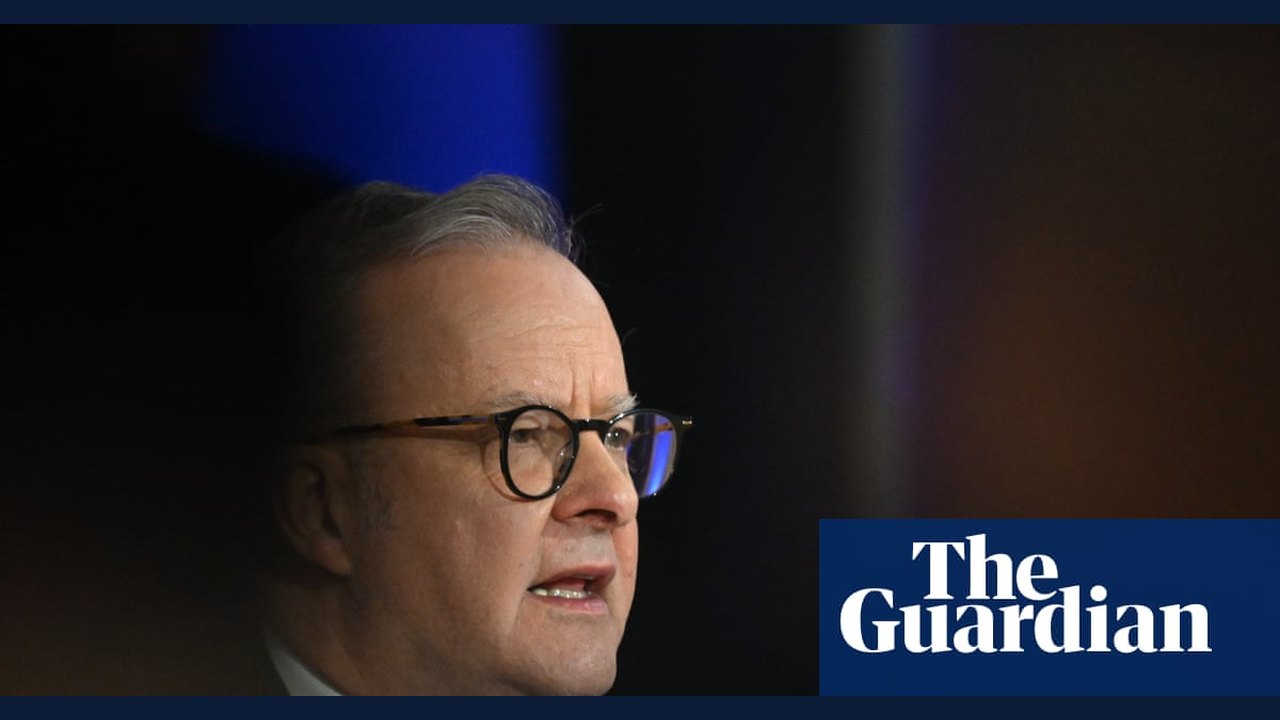 Albanese Signs AI Supply Chain Pact Ahead of Quad Leaders' Summit in Manila
 Luxor Technology Raises $16 Million Strategic Round Led by CMT Digital to Scale AI Compute Trading and Hardware