FADU Proposes Moving File Systems Inside SSDs to Bypass AI Storage CPUs
· GlobeWire Daily Editorial Desk · Source: www.techradar.com
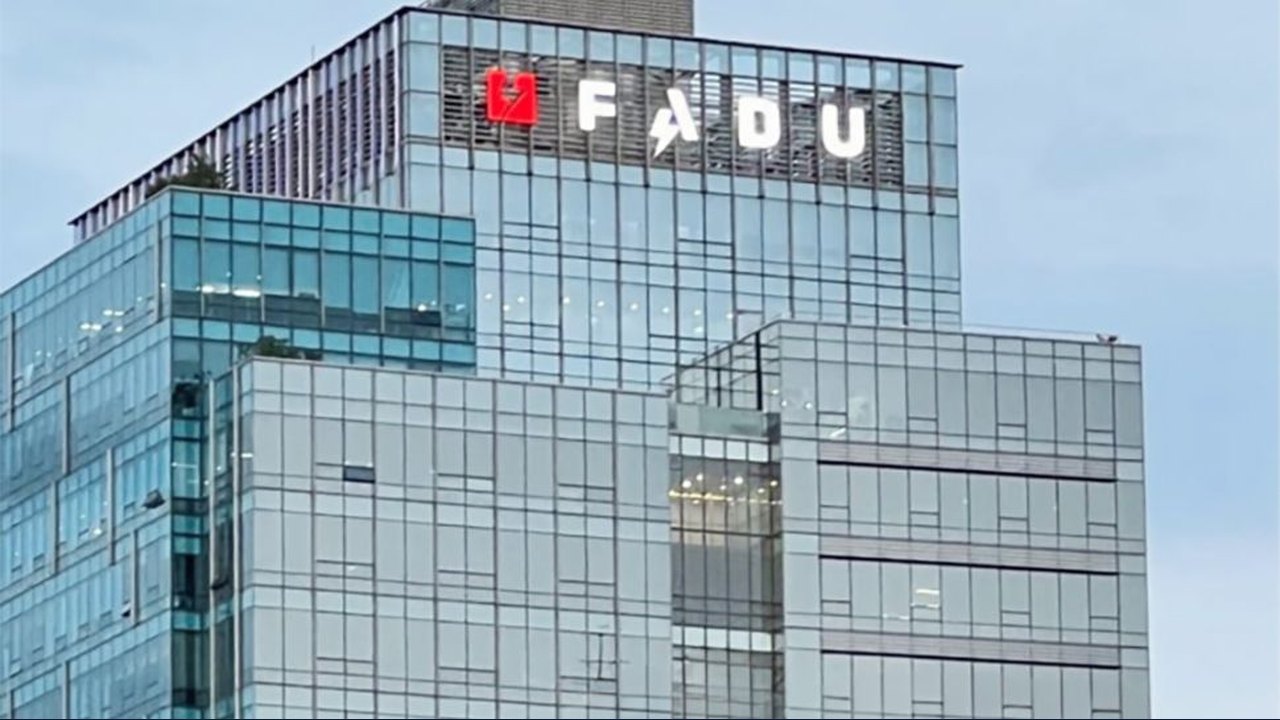
Image: TechRadar · Photo source · Resized and letterboxed to 16:9; no AI generation
South Korean controller designer FADU has introduced a File-Semantic SSD (FS-SSD) designed to handle file lookups, permission checks, and address translations directly within the drive's firmware rather than relying on a host CPU.
How the File-Semantic SSD Operates
Unveiled at the OCP Global Summit, the FS-SSD embeds Network File System version 3 (NFSv3) requests inside standard NVMe commands. According to the company, this allows GPUs, DPUs, and network cards to access files without needing a host file system, block layer, or storage-server CPU in the data path.
Key structural details include:
- Direct Mapping: Combines traditional file-to-block and block-to-flash translations into a single file layer based on F2FS, a Linux file system tailored for flash memory.
- DRAM Allocation: Uses standard DRAM capacity while leaving approximately 95% free for caching frequently accessed file details.
- Unified Cleanup: Manages garbage collection internally to reduce duplicate cleanup cycles between the host and the drive.
Testing Claims and Limitations
FADU reported benchmark results indicating that remote file throughput remained stable at approximately 460,000 operations per second when scaling a server from 16 cores down to one. The company also cited a simulated 63% reduction in write amplification compared to host-based F2FS, alongside projected power and cost reductions.
However, independent verification is currently limited:
- Simulation-Based Data: The write-amplification figures stem from simulated tests using NVMeVirt rather than a physical drive.
- Hardware Constraints: Initial demonstrations ran on a PCIe 5.0 host platform, capping sequential reads near 14.1 GB/s despite the controller being designed for PCIe 6.0.
- Ecosystem Support: The command set lacks an open industry standard, meaning clients currently rely on proprietary software from FADU.
Future Roadmap
Partner samples are not anticipated until the third quarter of 2027, with PCIe 6.0 benchmark results promised by the first quarter of 2027. While industry stakeholders acknowledge that host CPU overhead remains a significant storage bottleneck for AI workloads, practical proof of FADU's approach will depend on future hardware delivery and independent testing.
AI-assisted reporting; source claims are attributed and have not been independently verified.
More to read
 James Wan Praises YouTube Filmmakers, Stating Digital Tools Bypass Traditional Hollywood Systems
 Experts and Advocates File Briefs Supporting Fair Use in AI Training
 Clarius Announces 30 Integrated AI Models for Handheld Ultrasound Systems
 NIIT Learning Systems Acquires Bluewater Learning to Scale AI-Driven Talent Transformation
Related coverage
Related reporting available at publication.
James Wan Praises YouTube Filmmakers, Stating Digital Tools Bypass Traditional Hollywood SystemsExperts and Advocates File Briefs Supporting Fair Use in AI TrainingClarius Announces 30 Integrated AI Models for Handheld Ultrasound SystemsNIIT Learning Systems Acquires Bluewater Learning to Scale AI-Driven Talent Transformation Fact Check: Viral Video of Newlywed Bride Driving a Train is AI-Generated
 Experts Warn Proposed AI Copyright Changes Could Violate Australian Constitution