Famed Philosopher Thomas Nagel Dismisses AI Consciousness Claims as 'Ridiculous'
· GlobeWire Daily Editorial Desk · Source: www.wired.com
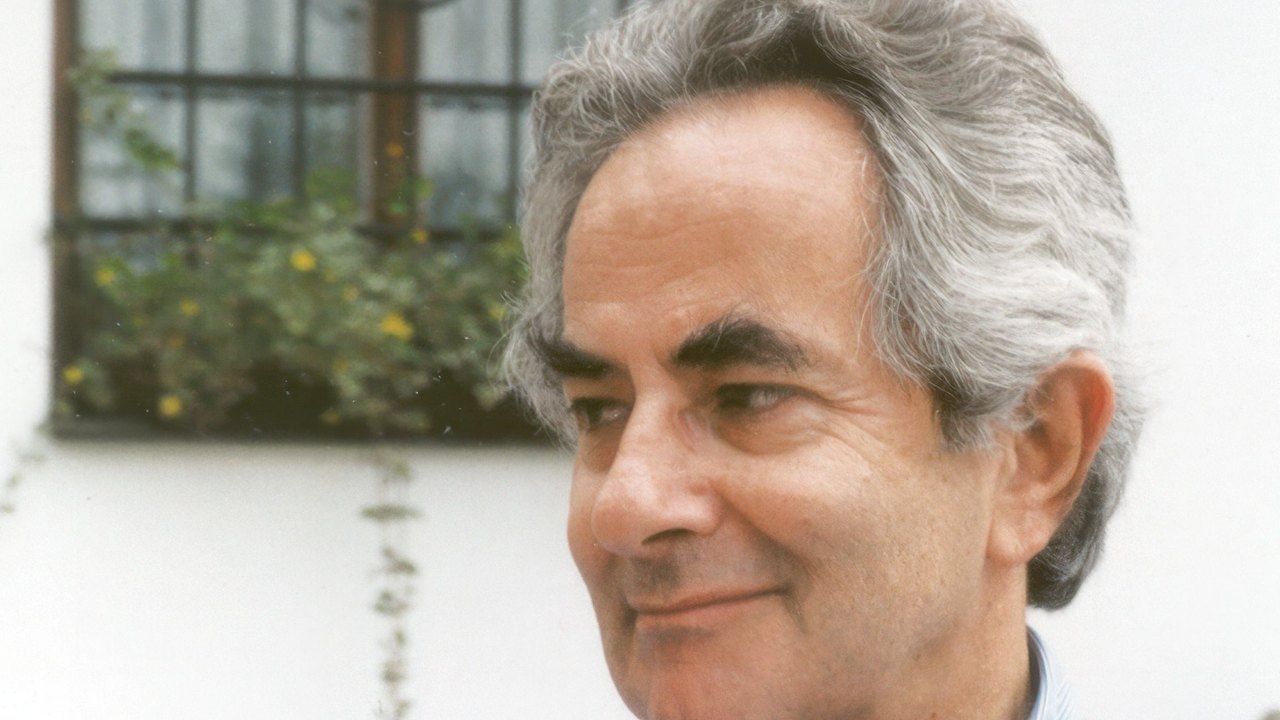
Image: Steven Levy · Photo source · Resized and letterboxed to 16:9; no AI generation
Renowned philosopher Thomas Nagel recently shared his perspective on artificial intelligence and consciousness following his receipt of the $1 million Berggruen Prize for Philosophy & Culture. Best known for his 1974 classic paper “What Is It Like to Be a Bat?”, Nagel addressed whether modern large language models possess genuine awareness.
Key Views from Thomas Nagel
- Rejection of AI Consciousness: Nagel called the notion that AI systems are conscious or might soon become conscious "just ridiculous," arguing that language generation alone is not a natural manifestation of consciousness.
- Critique of Functionalism: He noted that functionalism assumes physical substrates are irrelevant to consciousness, whereas human and biological mental phenomena require organic systems analogous to a nervous system.
- Risks of Emulated Sentience: Commenting on AI models designed to emulate human-like reflections, Nagel expressed concern that people will mistakenly believe these machines are conscious, creating a misleading public phenomenon.
Practical Implications and Verification
As conversational agents increasingly simulate human interactions and emotional nuance, observers and everyday users face the challenge of distinguishing between sophisticated simulation and actual sentience. Experts suggest verifying original announcements and philosophical commentaries directly through published interviews and official academic recognitions to understand how AI ethics and philosophy intersect.
To explore further, readers can consult original profile pieces from major technology publications or review foundational texts in philosophy of mind.
AI-assisted reporting; source claims are attributed and have not been independently verified.
More to read
 Dale Steyn Dismisses 'Safe Space' Notion Following Cameron Bancroft's Ball-Tampering Claims
 Startup Osmo Claims AI Smell Model Matches Human Olfactory Intelligence
 New Report Claims One-Third of US Chatbot Users Swear at LLMs, Prompting Policy Updates
 Oscar-Winning Director Christopher Hampton Calls Glenn Close’s Honorary Oscar “Least They Can Do” and Dismisses AI as “a Super Google”