Frontier AI Labs Claim Models Refuted Exponential Time Hypothesis: What It Means
· GlobeWire Daily Editorial Desk · Source: techcrunch.com
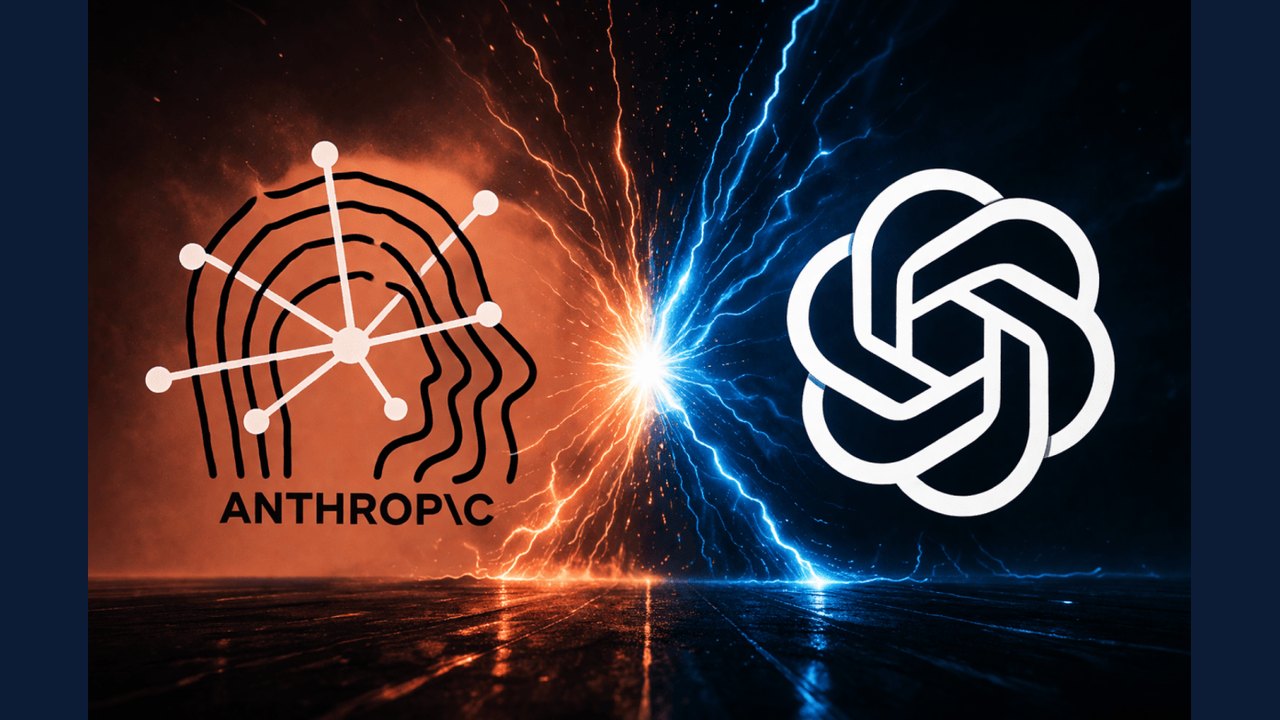
Image: Tim Fernholz · Photo source · Resized and letterboxed to 16:9; no AI generation
Frontier AI Models and the Exponential Time Hypothesis
Recent announcements from prominent artificial intelligence laboratories state that their models have generated algorithmic solutions refuting the Exponential Time Hypothesis (ETH). OpenAI released work addressing complex math problems, including an alleged rejection of ETH, a foundational assumption in computer science regarding computational difficulty. Shortly after, rival lab Anthropic also published its own refutation of ETH following initial discussions within the academic community.
Because these claims emerged directly from private labs, independent validation is ongoing. Academic researchers, including MIT professor Ryan Williams and ETH co-author Russell Impagliazzo, have mobilized to scrutinize the methodologies and help interpret the AI-generated outputs.
Understanding the Core Concepts
To grasp the significance of these developments, it helps to examine the underlying theoretical computer science concepts:
- P versus NP: A central question in computer science asking whether problems whose solutions are easily verified (NP) can also be easily solved (P).
- Sudoku Example: A puzzle where verifying a completed grid is trivial, but finding the solution from scratch is time-consuming.
- The Exponential Time Hypothesis (ETH): An assumption stating that as logic puzzles grow in variables, the fastest algorithms require exponentially more time to solve them, supporting the prevailing theory that P does not equal NP.
Implications for Science and Cybersecurity
If independent scientists confirm that the AI models have indeed achieved sub-exponential solutions for these puzzles, the foundational assumptions of computational complexity could shift.
- Challenged Assumptions: Researchers may need to re-evaluate numerous published scientific papers that rely on the durability of ETH.
- Cybersecurity Checks: Experts immediately questioned whether improved algorithms might undermine standard cryptographic systems. According to statements shared with researchers, initial checks suggest current encryption remains secure, though further audits are necessary.
- Shifting Academic Norms: Mathematicians and computer scientists are establishing working groups and open letters to discuss how to integrate AI contributions while maintaining rigorous scientific standards.
How to Verify the Claims
Readers and researchers interested in examining the original announcements can review public repositories on GitHub, monitor upcoming academic working group publications, and follow open letters and formal peer-reviewed responses from organizations like MIT and participating research institutions.
AI-assisted reporting; source claims are attributed and have not been independently verified.
More to read
 OpenAI Shifts Strategy to Train Frontier AI Models Without Live Internet Access
 Study Finds Political Leans in AI Models When Forced to Choose Candidates
 Cognizant Launches OpenAI Frontier Capability Group with Over 25,000 Professionals
 Clarius Announces 30 Integrated AI Models for Handheld Ultrasound Systems
Related coverage
Related reporting available at publication.
OpenAI Shifts Strategy to Train Frontier AI Models Without Live Internet AccessStudy Finds Political Leans in AI Models When Forced to Choose CandidatesCognizant Launches OpenAI Frontier Capability Group with Over 25,000 ProfessionalsClarius Announces 30 Integrated AI Models for Handheld Ultrasound Systems Foxconn Showcases Next-Gen AI Infrastructure and Token Factory Solutions at Hon Hai Tech Day 2026
 Fired OpenAI Safety Researchers Question Independence of AI Audits