Fujifilm Boosts Magnetic Tape Production as AI Drives Data Storage Demand
· GlobeWire Daily Editorial Desk · Source: www.techradar.com
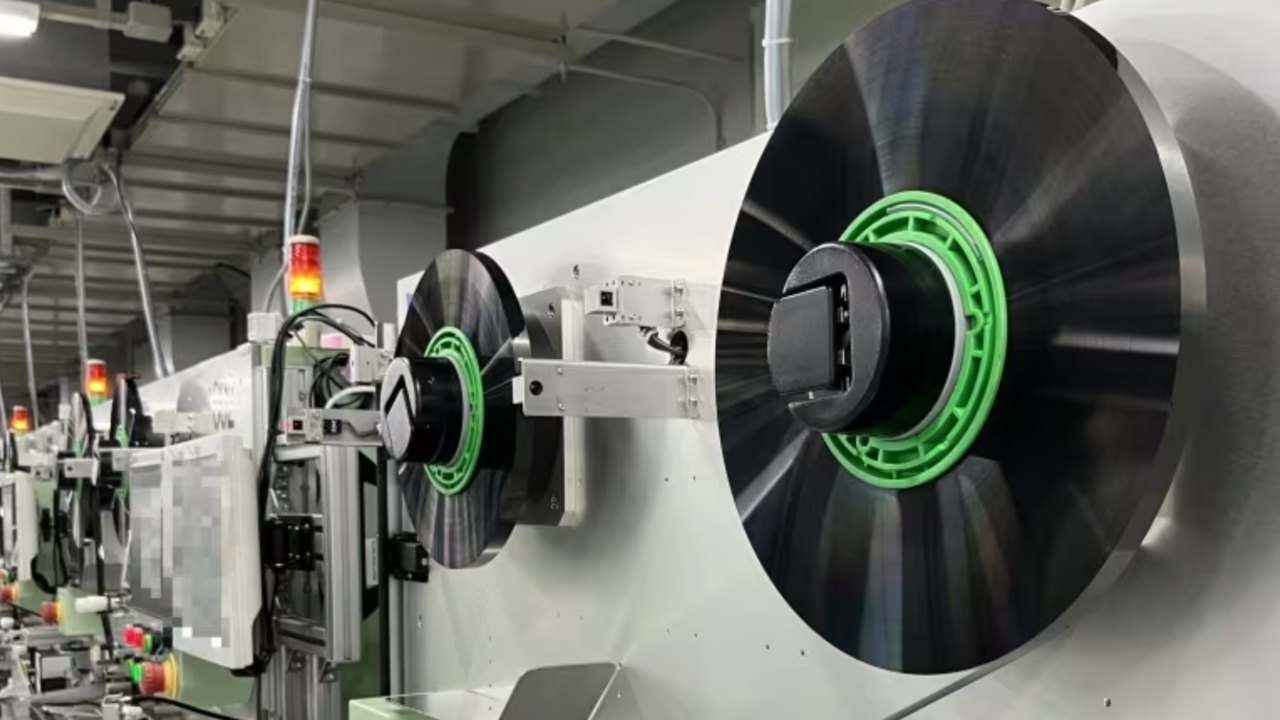
Image: TechRadar · Photo source · Resized and letterboxed to 16:9; no AI generation
Expanding Infrastructure for a Data-Driven Era
Fujifilm has announced a significant strategic pivot in its storage hardware strategy, planning to increase its magnetic tape production capacity fivefold by fiscal 2028. The initiative involves a ¥10 billion ($63.3 million) investment in the company’s Odawara plant, located near Tokyo. This marks Fujifilm’s most substantial capital commitment to tape manufacturing in two decades, signaling the long-term relevance of legacy storage formats in a modern AI-centric world.
Why Magnetic Tape is Making a Comeback
The resurgence of magnetic tape is primarily driven by the massive data requirements of artificial intelligence and the need for economical long-term preservation. Key factors contributing to this trend include:
- Cost Efficiency: Analysis suggests that tape storage costs approximately 1 cent per GB, compared to 3–3.5 cents per GB for hard-disk drives (HDD).
- Offline Security: By keeping data physically disconnected from networked systems, organizations can mitigate the risk of remote cyberattacks.
- Scalability: With global data generation projected to reach 718 zettabytes by 2030, tape offers a cost-effective alternative for storing massive datasets that do not require immediate access.
Broader Industry Landscape
Fujifilm is not alone in its pursuit of expanded storage capacity. Various Japanese firms are currently scaling up production across multiple technologies, including semiconductors and hard drives, to meet the skyrocketing global demand. While SSDs and HDDs remain crucial for high-speed operations, the strategic expansion into magnetic tape suggests that enterprises are looking for a tiered storage approach to balance performance, cost, and security.
Interested parties can verify these plans through Fujifilm’s official corporate investor relations portal or industry data reports from organizations like IDC.
AI-assisted reporting; source claims are attributed and have not been independently verified.
More to read
 Fujifilm Announces Fivefold Increase in Magnetic Tape Production to Meet AI Data Demands
 Reid Hoffman Defends AI Data Center Expansion Amid Economic and Community Concerns
 Jacobi Strategies Launches New Framework to Scale Investment AI from Prototype to Production
 India Unveils Proposed Framework to Democratize AI Data Training
Related coverage
Related reporting available at publication.
Fujifilm Announces Fivefold Increase in Magnetic Tape Production to Meet AI Data DemandsReid Hoffman Defends AI Data Center Expansion Amid Economic and Community ConcernsJacobi Strategies Launches New Framework to Scale Investment AI from Prototype to ProductionIndia Unveils Proposed Framework to Democratize AI Data Training Mumbai Deploys AI Cameras to Curb Public Littering with Real-Time Audio Warnings
 LanguageLine AI Translation App Receives Vizient Innovative Technology Designation