Google Unveils Genie 4 AI World Model, Sparking Debate Over AGI Claims
· GlobeWire Daily Editorial Desk · Source: www.techradar.com

Image: TechRadar · Photo source · Resized and letterboxed to 16:9; no AI generation
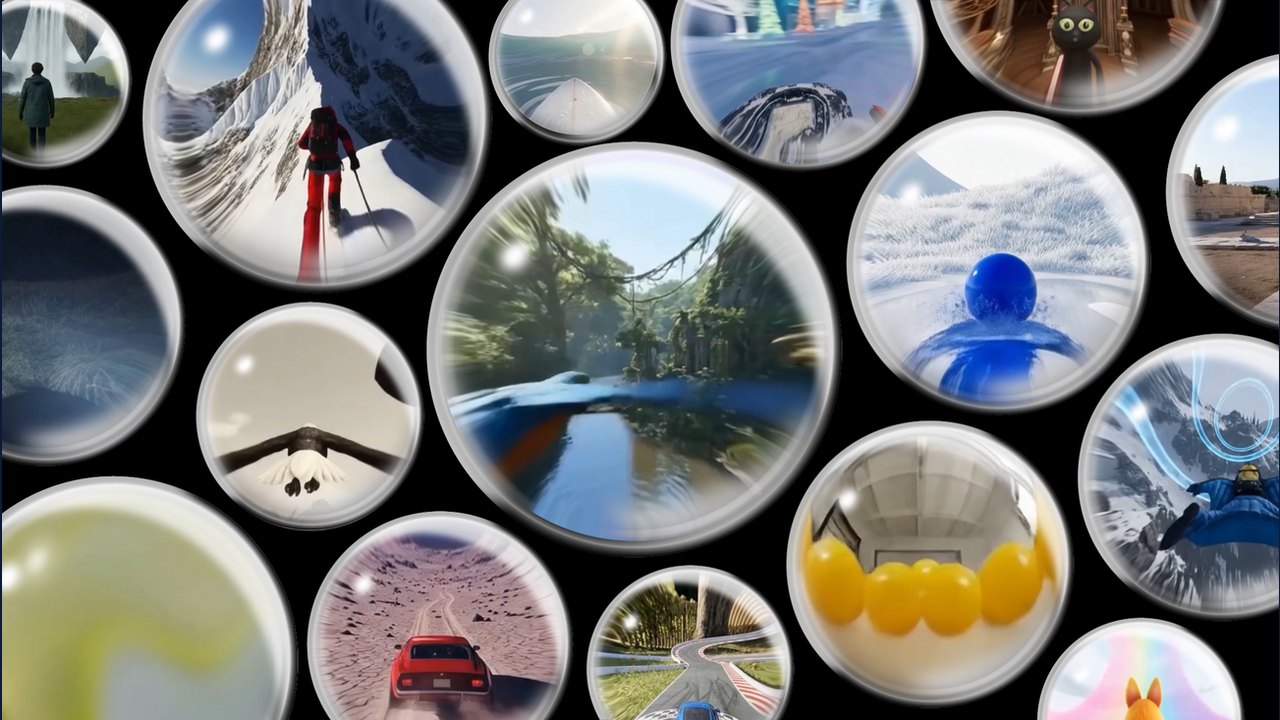
Google has unveiled its latest artificial intelligence model, Genie 4, which is capable of generating interactive virtual environments that respond to user actions. According to reports, the new model produces more realistic scenes than its predecessor, complete with audio and responsive dialogue, and allows users to steer experiences through conversational instructions.
Capabilities and Limitations
- Interactive Environments: Generates vivid scenes where users can alter elements like weather and interact with simulated inhabitants.
- Technical Constraints: The model can maintain coherent environments for only a limited duration, with visual details occasionally drifting or objects changing over time.
- Practical Uses: Observers note potential applications in rapid prototyping for game developers and controlled simulations for AI research.
The AGI Debate
Google's rollout described the technology as a key stepping stone toward artificial general intelligence (AGI), arguing that training AI agents in realistic environments brings researchers closer to physical-world deployment. However, commentators have urged caution, pointing out that generating convincing virtual simulations does not equate to genuine understanding of real-world physics or universal intelligence. Critics emphasize that a simulated world's usefulness depends entirely on how closely its behavior mirrors reality, and that speculation regarding AGI often serves as a marketing narrative rather than a measurable scientific benchmark.
Practical Implications and Verification
While Genie 4 represents a notable technical leap in generative synthetic media, experts suggest evaluating the model based on its immediate utility for creative experimentation and research rather than speculative future milestones. Readers can review official announcements and technical documentation directly through Google's primary channels to verify feature sets and rollout details.
AI-assisted reporting; source claims are attributed and have not been independently verified.
More to read
 Google DeepMind Releases Genie 4 World Model in Research Preview with Audio and Real-Time Steering
 Biological Computing Co. Unveils TBC mischief 1: World’s First Public Neuron‑Derived AI Video Model
 Google Explains World Models Through Experimental Project Genie Prototype
 Google Announces Gemini 4 Carbon Model Highlighting AI Coding and Cybersecurity Claims