How Investigative Genetic Genealogy and AI Are Helping Crack Decades-Old Cold Cases
· GlobeWire Daily Editorial Desk · Source: www.bbc.co.uk
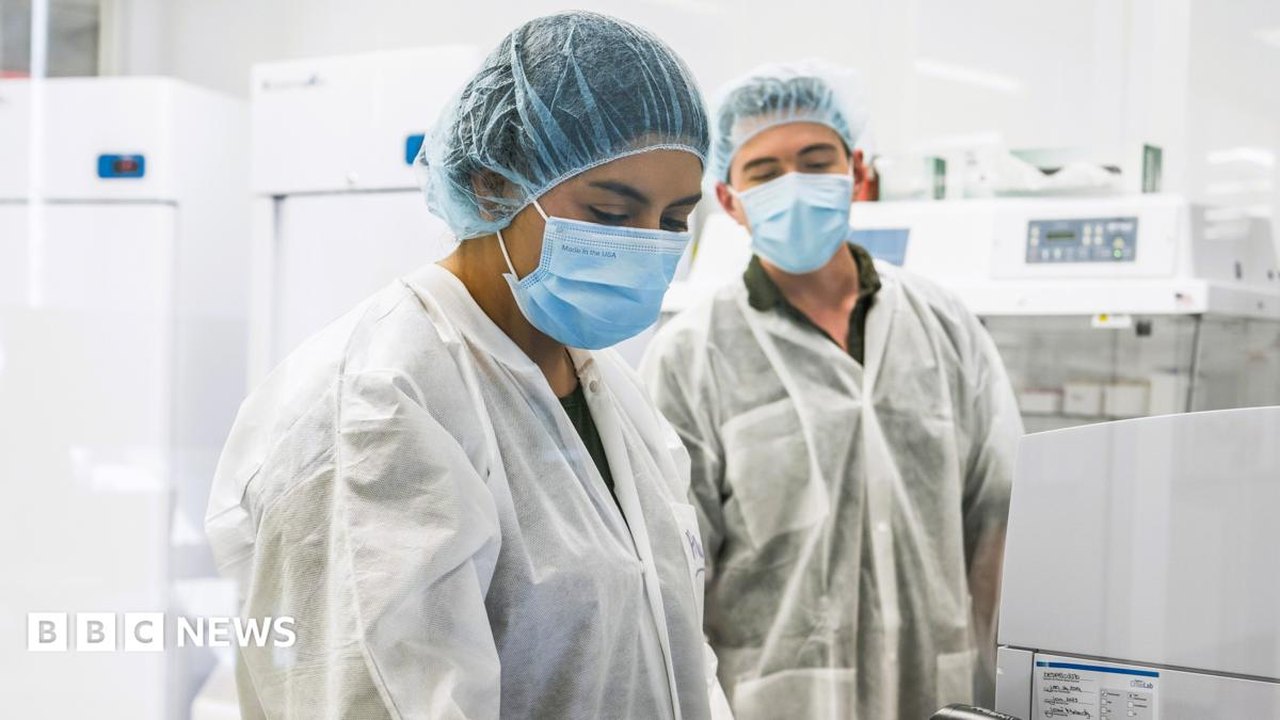
Image: BBC News · Photo source · Resized and letterboxed to 16:9; no AI generation
Law enforcement agencies are increasingly turning to advanced technologies, including investigative genetic genealogy and artificial intelligence, to help solve decades-old cold cases. A recent homicide investigation in Illinois highlights how these modern tools assist detectives in generating new leads when traditional database searches fail.
Randy Gail Sperino was killed in November 1993 in Granite City, Illinois. For decades, her murder remained unsolved as standard law enforcement DNA databases yielded no matches. Last year, detectives from the Madison County Sheriff's Office sent genetic evidence to Othram, a Houston-based company specializing in forensic DNA technology.
The Role of Investigative Genetic Genealogy
Unlike traditional forensic DNA testing that compares evidence directly against known profiles, investigative genetic genealogy identifies distant genetic relatives. By utilizing profiles from commercial ancestry platforms where users have consented to law enforcement matching, companies like Othram build family trees to point investigators toward potential suspects. In the Sperino case, this technique led authorities to Albert "Buddy" Zigler, who was charged with murder in May.
Artificial Intelligence in Evidence Analysis
Detectives also utilized artificial intelligence to manage the vast amount of paperwork accumulated over three decades. Investigators used Centerline AI, a platform by CentralSquare, to analyze more than 2,000 pages of records, organize witness information, and reconstruct timelines. Captain Tim Lawrence of the Madison County Sheriff's Office noted that the AI helped streamline the review process and assisted detectives during suspect interviews.
Limitations and Privacy Considerations
Despite their successes, experts emphasize that these technologies have limitations. Investigative genetic genealogy requires usable DNA evidence and cannot solve every case. Furthermore, privacy concerns remain regarding the use of data from relatives who may not have given explicit consent. Experts like Professor Denise Syndercombe Court of King's College London point out ethical considerations, while industry leaders note that funding constraints and the need for traditional police work remain ongoing challenges.
AI-assisted reporting; source claims are attributed and have not been independently verified.
More to read
 Chef Tanya Holland Publicly Criticizes Food Network Star Bobby Flay Over Decades-Old Professional History
 75-Year-Old Ramsugar Denies Marriage Rumors Are a Stunt, Insists He Will Marry 30-Year-Old Rani
 Graduates are managing AI - but are they learning traditional industry skills?
 Enterprises struggle with AI ROI as many projects are abandoned