How OpenAI Turned Coding Tools Into 'Dots', an Always-On Personal Assistant
· GlobeWire Daily Editorial Desk · Source: techcrunch.com
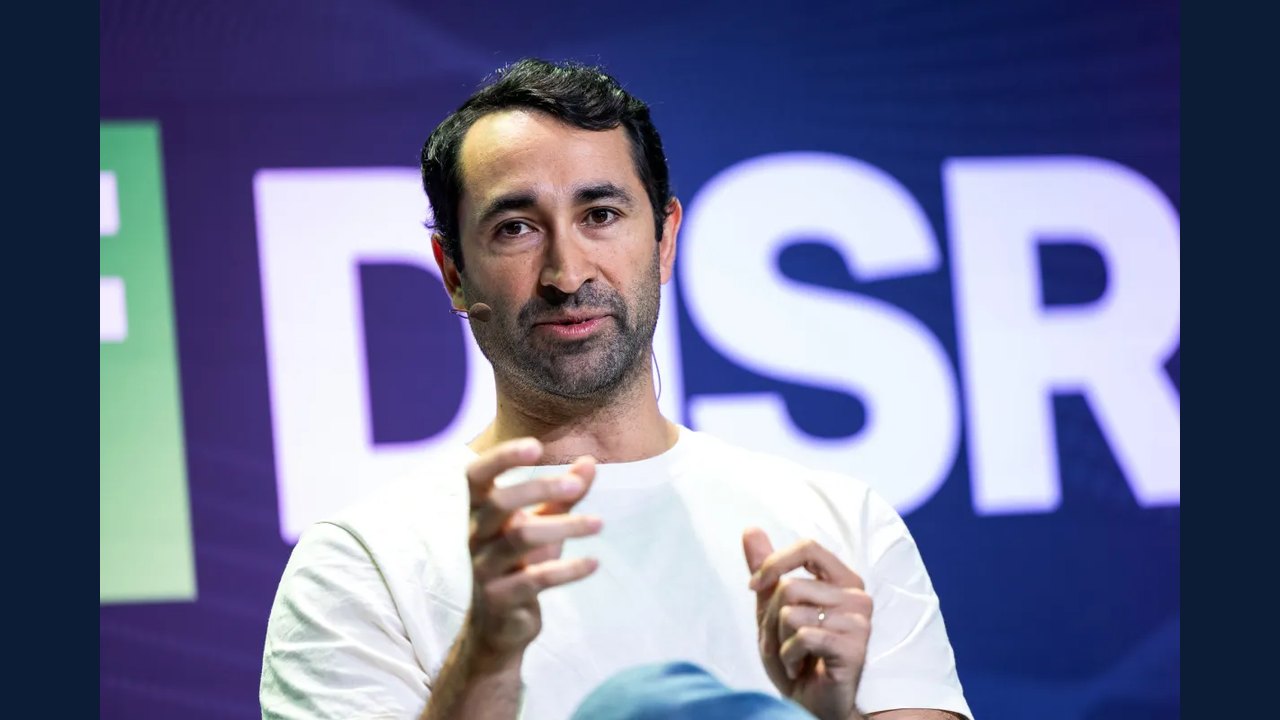
Image: Tim Fernholz · Photo source · Resized and letterboxed to 16:9; no AI generation
OpenAI introduced its always-on AI personal assistant, named 'dots', at its developer day in late September. Alexander Embiricos, who leads OpenAI’s enterprise product team, discussed the product's development and evolution from agentic coding tools at TechCrunch Disrupt.
Evolution from Coding Tools to Personal Assistant
Embiricos explained that much of the underlying functionality of 'dots' could previously be achieved using OpenAI's Codex coding tool released earlier in the year, but that required significantly more manual effort and supervision. The product team aimed to make the technology more intuitive and accessible by framing the assistant as a single, continuous conversation rather than disconnected chats.
- Availability: The assistant is available in ChatGPT desktop and mobile apps for subscribers on the Pro tier or higher, with plans starting at $100 a month.
- Integration: It connects to calendars, email, and computers to assist with background tasks without requiring constant manual prompting.
Proactive Research and Privacy Concerns
According to OpenAI, 'dots' features a capability called proactive research, where it periodically evaluates known context, prior conversations, and permitted tools to anticipate user needs and suggest helpful actions.
- Privacy Controls: OpenAI states the agent uses the same privacy controls as ChatGPT, allowing users to disable model training and manage resource access.
- Limitations: Reviewers and company representatives noted that current controls lack ultra-granular options, and the app reportedly requires broad access, such as refusing read-only permissions for certain cloud drives.
- Timing and Discretion: Early testing showed mixed results regarding timing, with conflicts sometimes flagged only moments before an event, though functionality is expected to improve over time.
Verifying the Announcement
Readers interested in verifying OpenAI's product announcements can review official blog posts on the company's website or check developer day keynote recordings. Practical implications include evaluating data privacy trade-offs before connecting personal communication and scheduling tools to persistent AI agents.
AI-assisted reporting; source claims are attributed and have not been independently verified.
More to read
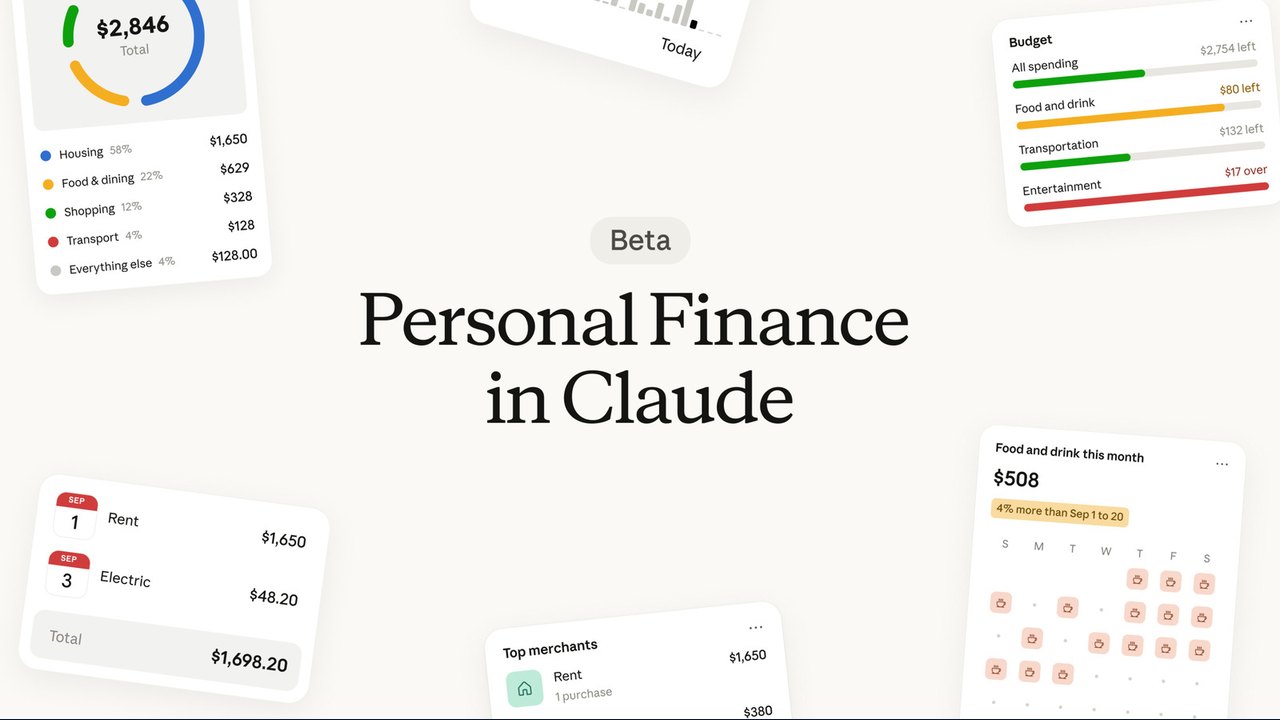 Claude Personal Finance vs. ChatGPT Finances: A Comparison of AI Financial Tools
 OpenAI Releases Internal Snapshot on AI Research Acceleration and Coding Agents
 UK Home Office May Face Investigation Over Use of OpenAI-Powered Tools
 Oracle and OpenAI Partner to Introduce AI Workspace and Enterprise Tools