Inside CoreWeave's Debt-Fueled Buildout and the Financial Pressures of the AI Boom
· GlobeWire Daily Editorial Desk · Source: www.theguardian.com

As the artificial intelligence industry undergoes a massive infrastructure expansion, cloud computing firm CoreWeave has emerged as a focal point for discussions regarding debt-financed datacentre growth. Financial disclosures and analysts indicate that the company relies heavily on borrowed capital to fund its global network of datacentres.
Debt and Financing Structure
According to recent financial reports and filings, CoreWeave's total debt has increased significantly, reaching approximately $47 billion. Analysts note that the company faces substantial upcoming debt obligations, with over $10 billion reportedly due next year, and quarterly interest payments projected to exceed $1 billion.
- GPU-Backed Debt: A significant portion of CoreWeave's borrowing involves GPU-backed loans, where Nvidia-manufactured computer chips serve as collateral alongside customer contracts.
- Senior Notes: The company has also issued unsecured senior notes, which do not tie specific assets to the debt.
- Circular Financial Ecosystem: Financial arrangements involve backing from chipmakers like Nvidia, which holds a stake in CoreWeave and has invested in several of CoreWeave's primary AI clients.
Market Perspectives and Uncertainties
While some financial researchers, such as Jordan Chaflin of CreditSights, point to strong recent revenues, margins, and steady long-term customer demand as positive indicators, others remain cautious. Critics and short-sellers have raised concerns regarding asset depreciation timelines, the cash-flow impact of ongoing infrastructure buildouts, and the broader solvency of loss-making AI labs renting compute power.
A company spokesperson stated that CoreWeave is funding its growth through a diverse and flexible strategy, citing multiyear customer commitments exceeding its current debt requirements and strong active capacity growth. However, analysts emphasize that any delays in datacentre deployments or shifts in financing availability could present challenges in maintaining debt service obligations.
More to read
 Google Gemini Notebook Adds Interactive Site Builder for Research Projects
 Daniel Ek Backs AI Researcher’s Fusion Power Startup Europa Fusion
 Google Gemini Rolls Out GIF Generation Feature Powered by Gemini Omni 1.2 Flash
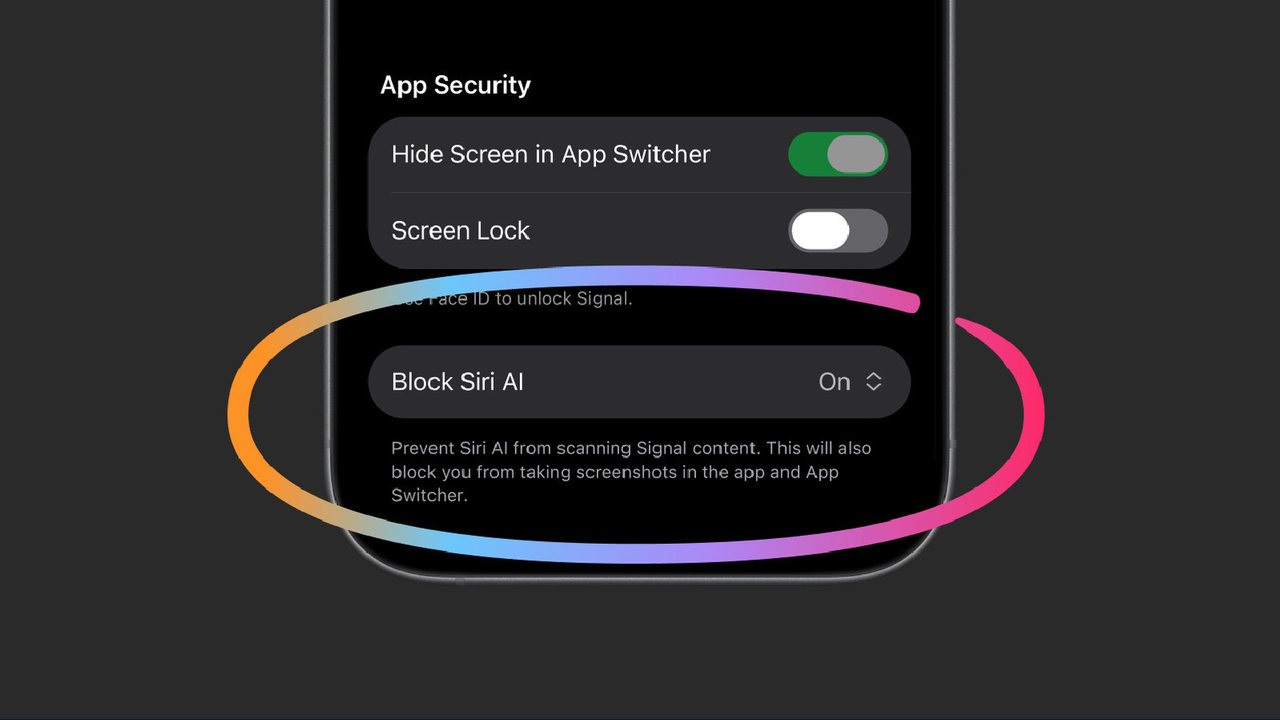 Signal Introduces Default Screenshot and Screen-Reading Restrictions to Curb AI Scraping