Journal of Cardiac Failure Focus Issue Highlights AI Tools in Heart Failure Detection and Management
· GlobeWire Daily Editorial Desk · Source: www.prnewswire.com
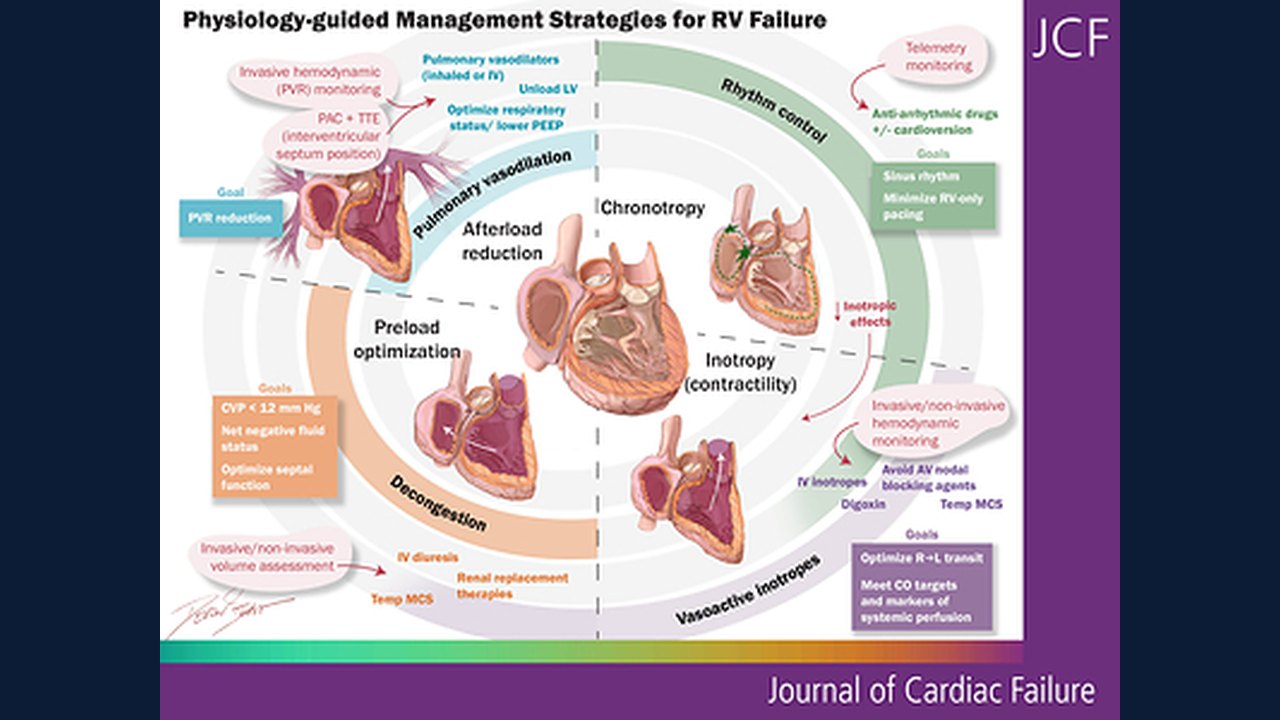
Image: Heart Failure Society of America · Photo source · Resized and letterboxed to 16:9; no AI generation
Research published in the November 2026 issue of the Journal of Cardiac Failure (JCF) indicates that combining artificial intelligence analysis of routine echocardiogram clips with standard clinical scoring identified 78% of patients with hemodynamically confirmed heart failure with preserved ejection fraction (HFpEF), compared to 48% using the clinical score alone. The findings were reported in an issue dedicated to artificial intelligence in heart failure by the Heart Failure Society of America (HFSA) official journal.
Study Details and Findings
- Diagnostic Accuracy: Researchers applied the EchoGo HF model to resting echocardiograms from 280 outpatients evaluated for suspected HFpEF, using exercise hemodynamic testing as the diagnostic gold standard.
- Two-Step Strategy: The AI model provided the greatest diagnostic value for patients with low or intermediate H₂FPEF scores, prompting authors to suggest calculating the score first and applying AI only for inconclusive results.
- Disease Severity Indicator: An AI-detected HFpEF result independently correlated with elevated filling pressures and reduced exercise capacity.
Additional November JCF AI Studies
- SGLT2 Inhibitors Research: Investigators utilized a large language model (OpenAI's o1) on clinical notes from 599 cardiology patients to categorize reasons for non-prescription of guideline-recommended SGLT2 inhibitors with 84.7% accuracy, finding physician-attributed factors were most common (28.7%).
- Care Continuum Review: A published review examines AI applications from early detection using ECG and imaging to electronic health record risk stratification, emphasizing integration into active clinical workflows rather than passive alerts.
Editor Perspectives and Practical Implications
Guest editors highlighted that growing population burdens and flat physician workforces create a care gap that AI may help address. However, they emphasized that prospective studies and randomized trials are necessary to confirm clinical value, safety, and equity. Readers can verify published findings and access the original research through the Journal of Cardiac Failure online platform or by reviewing the official announcements provided by the Heart Failure Society of America.
AI-assisted reporting; source claims are attributed and have not been independently verified.
More to read
 Microsoft Research Focus Edition #97 Highlights AI Agents, Weather Forecasting, and BioEmu2
 Oppo Introduces ColorOS 17 Featuring On-Device AI Tools and Privacy Focus
 Opinion: Ocarina of Time Remake Highlights Nintendo's Family-Friendly Focus
 Caribbean Journal Highlights Warmest December Islands for Winter Escapes