Korean Film Pioneers Warn AI Could Make Filmmaking Costlier Than 35mm Era
· GlobeWire Daily Editorial Desk · Source: variety.com
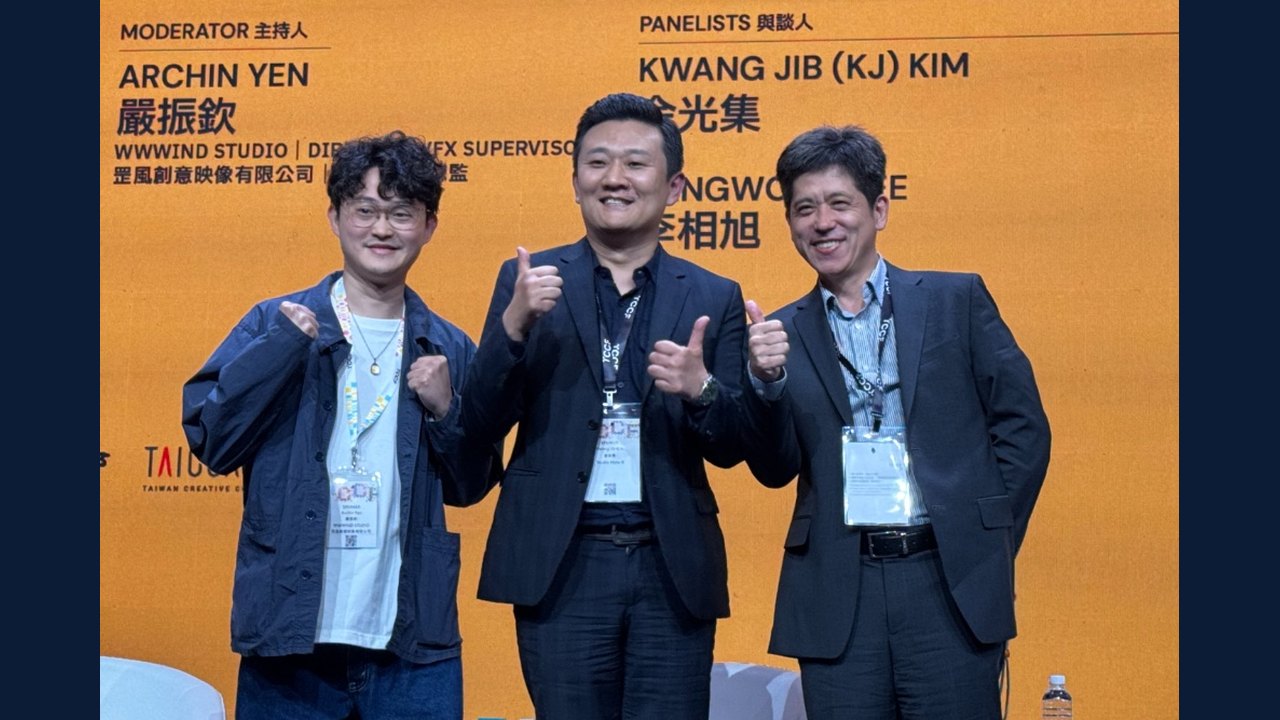
Image: Naman Ramachandran · Photo source · Resized and letterboxed to 16:9; no AI generation
Industry representatives from South Korea discussed the shifting economic realities, hybrid production models, and workflow changes of using artificial intelligence in filmmaking during a panel at the Taiwan Creative Content Fest (TCCF) in Taipei. Speakers highlighted that while AI has dramatically lowered costs in advertising, feature-length projects face unique financial hurdles due to recurring token fees and frequent revision cycles.
Financial Realities and Token Costs
Kim Kwang-jib, founder and CEO of Studio Meta-K, noted that commercial advertising has seen steep cost reductions. For instance, a commercial spot that previously took months and significant capital can now be produced in a fraction of the time using in-house AI tools. However, feature films present a different economic equation.
- Token Expenses: Kim cautioned that token bills for a 100-minute film can currently reach high sums using expensive commercial tools.
- Revision Penalties: Unlike digital workflows where multiple edits carry minimal recurring costs, AI systems often require paying for re-renders with every single change, multiplying expenses if revisions arrive piecemeal.
- Budget Comparisons: If token prices increase significantly in the future, AI-assisted production costs could potentially exceed traditional methods, forcing smaller regional studios to reevaluate efficiency.
Production Timelines and Hybrid Models
Lee Sang-wook, head of the AI Content Lab at MBC C&I, shared insights from developing the feature-length project "Raphael," which is scheduled to open in Korean cinemas on November 25. The production navigated rapid technological updates, noting that tools evolve continuously and require constant adaptation to maintain visual standards.
- Hybrid Strategies: To balance audience acceptance and financial viability, studios are exploring hybrid approaches, such as combining live-action close-ups of lead actors with AI-generated crowd scenes or background environments.
- Pre-production Emphasis: Experts emphasized that rigorous pre-production planning is essential to minimize costly re-renders and revision cycles.
Changing Crew Roles and Industry Impact
Both speakers addressed the evolving nature of on-set labor and creative responsibilities. Rather than wholesale job elimination, the shift is expected to alter specific roles, emphasizing technical directors, previsualization artists, and professionals trained in prompt engineering and spatial consistency.
- Verification and Tools: Companies remain divided on open-source versus paid commercial tools, citing data transparency and compliance standards.
- Creative Control: Panelists stressed that human direction and traditional film grammar—such as lens choice and editing rules—remain critical differentiators in preventing AI-generated content from looking uniform.
*Readers can verify official festival programming and company announcements directly through the Taiwan Creative Content Fest and official studio press releases.*
AI-assisted reporting; source claims are attributed and have not been independently verified.
More to read
 Sridhar Vembu Warns AI Could Make One Person Do the Work of Ten, but Jobs Won’t Vanish
 Experts Warn Proposed AI Copyright Changes Could Violate Australian Constitution
 Experts Warn Republicans Could Expedite Big Oil Immunity Bill Before New Congress
 Scientists Warn 1.5°C Climate Change Threshold Could Arrive by 2029