Navigating Google's Gemini AI Lineup: Which Model Should You Use?
· GlobeWire Daily Editorial Desk · Source: www.androidpolice.com
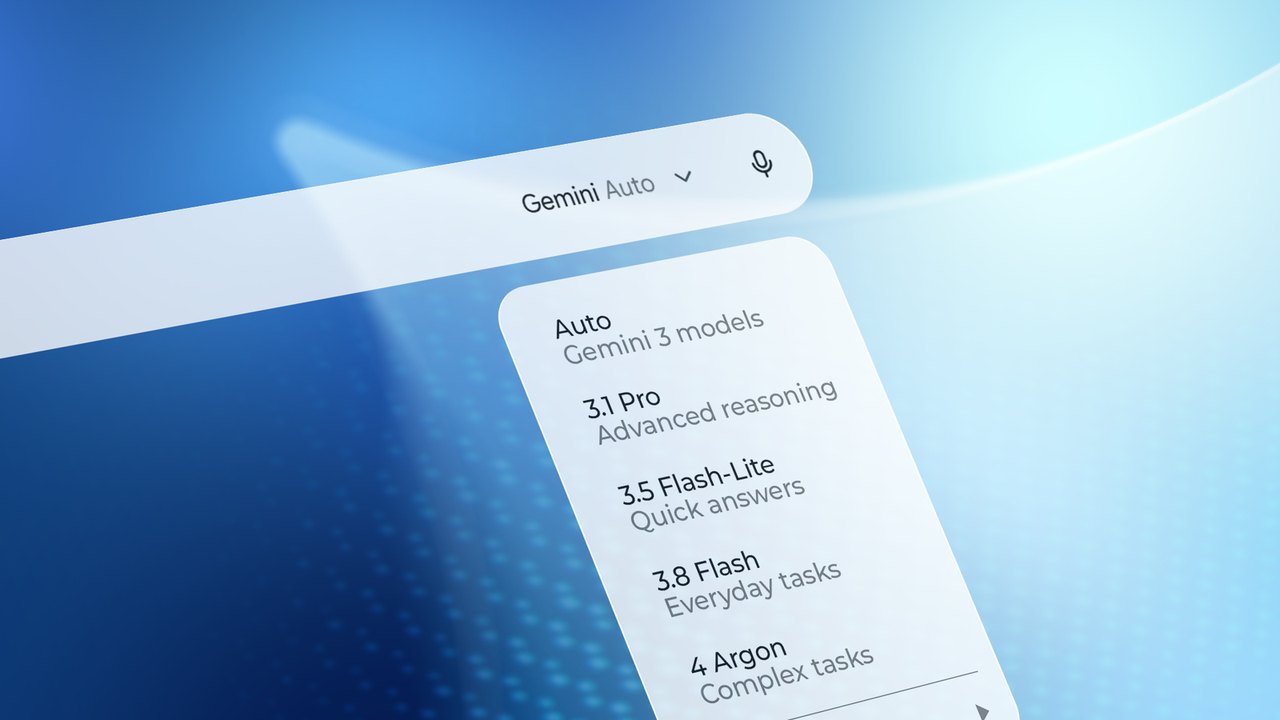
Image: Android Police · Photo source · Resized and letterboxed to 16:9; no AI generation
Google continues to expand its Gemini artificial intelligence ecosystem, introducing multiple models with varying capabilities and performance promises. With options ranging from lightweight assistants to flagship reasoning engines, selecting the appropriate model for specific tasks has become increasingly important.
Why Task-Specific Model Selection Matters
Using the most powerful AI model for every minor task is inefficient. Relying on a resource-heavy flagship model for simple text corrections consumes unnecessary resources, much like using high-end hardware for basic tasks. Conversely, lightweight models may struggle with complex problem-solving or advanced programming. Understanding the strengths of each tier helps optimize digital workflows.
Overview of Gemini Models
Reports indicate that Google's lineup is structured around distinct performance tiers:
- Gemini 3.5 Flash-Lite: Positioned as a lightweight, speed-focused model for everyday tasks that do not require deep reasoning. It is reported to handle straightforward questions, short email drafting, text rewriting, and basic brainstorming effectively.
- Gemini 3.8 Flash: Described as a balanced option offering improved reasoning and coding capabilities compared to basic lightweight models. It supports complex workflows, document analysis, and adjustable thinking levels, making it suitable for professionals and students.
- Gemini 3.1 Pro: Targeted at users requiring advanced reasoning and handling of interconnected steps, serving as an alternative when deeper context and accuracy are needed.
- Gemini 4 Argon: Operating as a flagship reasoning model optimized for demanding software engineering, advanced mathematics, and complex document analysis. Reports note that this tier is limited to specific subscription levels, such as Google AI Pro and Ultra.
Practical Recommendations
For general daily use, reports suggest starting with Gemini 3.8 Flash as a versatile choice that balances speed and capability. Users should verify specific model availability, feature sets, and subscription requirements directly through official Google AI platforms before committing to a specific workflow.
AI-assisted reporting; source claims are attributed and have not been independently verified.
More to read
 Google Announces Gemini 4 Carbon Frontier AI Model With Restricted Initial Access
 Google Announces Gemini 4 Carbon Model Highlighting AI Coding and Cybersecurity Claims
 Google Unveils Gemini 4 Carbon AI Model Emphasizing Cybersecurity and Coding Improvements
 Google Introduces Gemini 4 Carbon and Genie 4 AI Models
Related coverage
Related reporting available at publication.
Google Announces Gemini 4 Carbon Frontier AI Model With Restricted Initial AccessGoogle Announces Gemini 4 Carbon Model Highlighting AI Coding and Cybersecurity ClaimsGoogle Unveils Gemini 4 Carbon AI Model Emphasizing Cybersecurity and Coding ImprovementsGoogle Introduces Gemini 4 Carbon and Genie 4 AI Models Google Expands AI Search Ads Globally as Core Advertising Growth Decelerates
 Google Expands AI Mode Advertisements to Additional Countries