New Studies From UK and Italy Detail Gemini's Impact on Classrooms
· GlobeWire Daily Editorial Desk · Source: blog.google
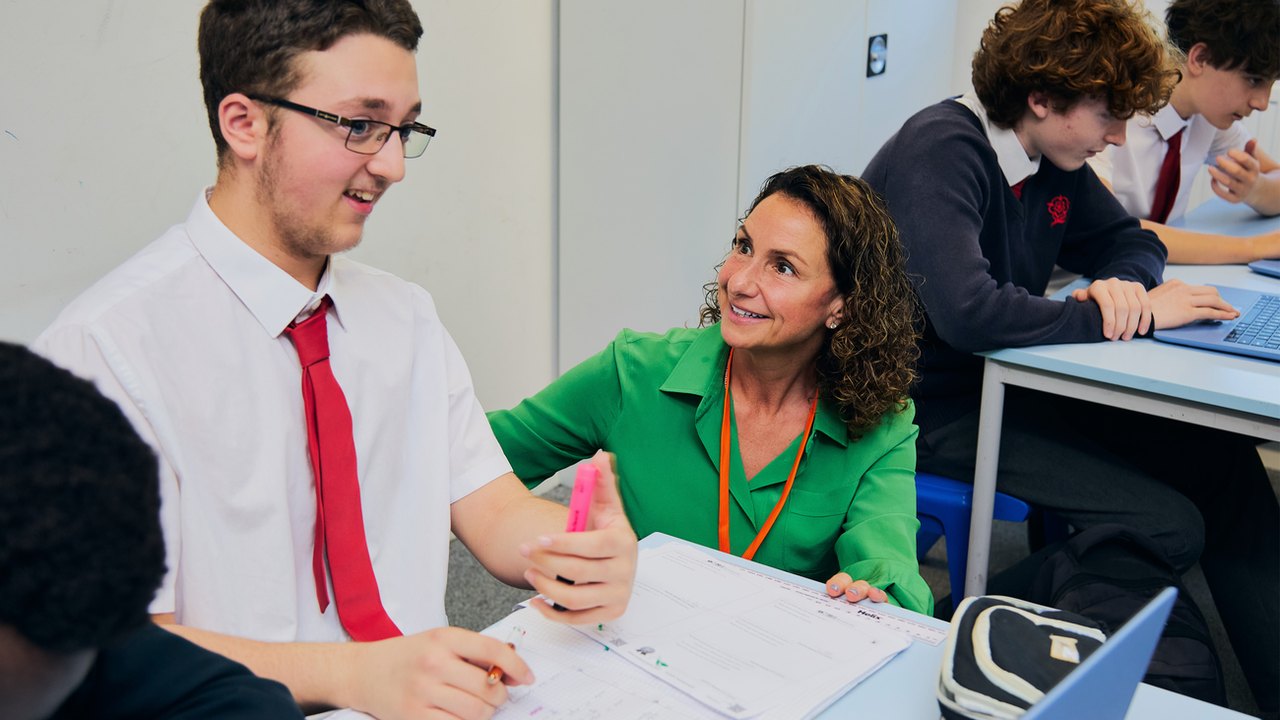
Image: Google · Photo source · Resized and letterboxed to 16:9; no AI generation
New research findings published by Google DeepMind explore how the Gemini AI model supports students and teachers in classrooms across the United Kingdom and Italy. The published evaluations highlight potential use cases in AI math tutoring and educator lesson planning, emphasizing active learning and teacher wellbeing.
Readers can review the full technical and implementation reports directly via Google's official product updates and education blog to verify the methodology and findings.
United Kingdom: AI Math Tutoring Trial
In the U.K., researchers conducted a 10-week randomized controlled trial involving over 1,100 students aged 12 to 15. Working alongside the study platform Eedi, the trial evaluated how interactive AI tutoring compared to human tutors and static hints.
- Performance: Students receiving AI math tutoring performed similarly on daily assignments and intermediate quizzes to those paired with human tutors.
- Pedagogical Guidance: Human experts reviewed AI responses in real time. According to the trial parameters, Gemini guided students step-by-step rather than directly supplying answers in nearly 99% of sessions.
- Standardized Test Scores: Researchers noted that AI-assisted students did not show significant gains on STAR standardized test scores during the 10-week window. The study attributes this to step-by-step guidance taking more time per question, resulting in students covering a lower overall volume of curriculum topics.
Italy: Teacher Wellbeing and Lesson Planning
In Italy, a yearlong study across 31 schools involved 1,600 educators and over 24,500 students aged 13 to 18, conducted in partnership with the Salesians of Don Bosco school network and the Pontifical Salesian University in Rome.
- Lesson Co-Design: Educators reported feeling more creative when co-designing lessons with Gemini (79% with AI versus 30% without).
- Classroom Dynamics: Traditional front-of-the-class lectures reportedly dropped by 38%, while student-led collaborative learning and group activities increased.
- Teacher Wellbeing: Educators reported a 66% drop in relying solely on their own energy to keep rooms engaged, as activity-designed engagement increased during co-planned lessons.
These findings suggest that AI tools can assist with structured tasks when implemented with human oversight, though researchers noted that trial durations and broad curriculum testing require further long-term study.
AI-assisted reporting; source claims are attributed and have not been independently verified.
More to read
 Google Home Speakers Set to Receive Gemini Live Upgrade for Paid Subscribers Soon
 Testing AI Sycophancy: How ChatGPT, Copilot, and Gemini Respond to Pushback
 Google Exec Runs Windows 11 on iPhone Duo Using Gemini 4 Carbon
 Google Extends Gemini Temporary Chat Retention to Two Months