Nvidia and AMD Post Strong Earnings as AI Chip Demand Defies Frontier Pause Concerns
· GlobeWire Daily Editorial Desk · Source: www.theverge.com
Recent financial reports from major chipmakers Nvidia and AMD indicate that booming demand for AI hardware has largely persisted, despite earlier discussions of a potential slowdown in frontier AI model development.
Earlier this year, discussions regarding a frontier AI slowdown emerged after temporary pauses in training runs by leading labs and warnings from industry executives regarding model risks. However, reported operational updates show that those pauses were brief. OpenAI restarted its training run shortly after a short suspension, while Anthropic released updated frontier models later in the year.
Financial Performance and New Hardware
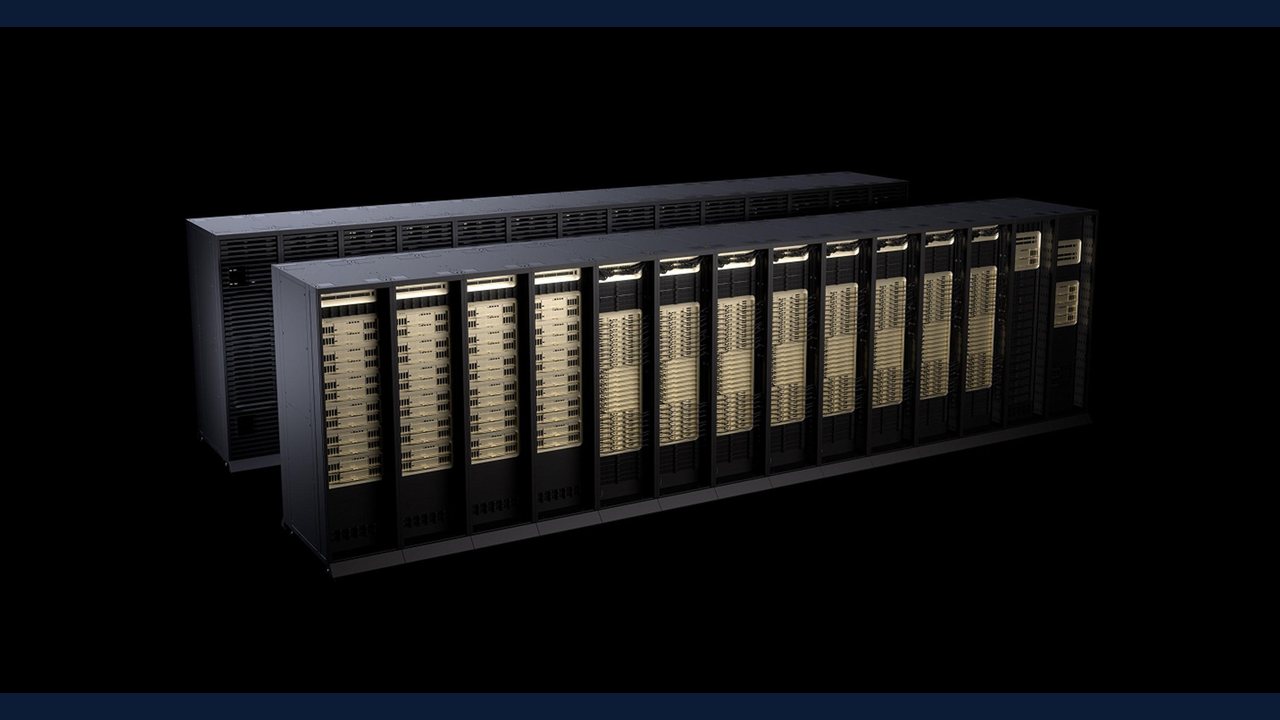
Nvidia reported significant revenue growth for its quarter ended October 25, driven largely by data center revenue that rose 110 percent from the previous year to $107.6 billion. The company began shipping its Vera Rubin NVL72 computing system, which generated nearly $20 billion in its first quarter of production shipments and is currently deployed by major cloud and technology providers including CoreWeave, Google, Microsoft, and Oracle. Nvidia interim CEO Colette Kress noted that major frontier labs are expected to account for approximately 15 percent of data center revenue for the fiscal year.
Similarly, AMD reported a strong quarter with revenue up 45 percent to $13.4 billion, led by a near-doubling of data center sales to $8.5 billion. Companies such as OpenAI and Anthropic are among the early customers utilizing AMD's Helios systems powered by MI450 GPUs.
The Role of Inference and Market Dynamics
Industry analysts note that even if frontier training demand were to shift, growing enterprise requirements for inference—running existing AI models—continue to drive compute infrastructure needs. Data from corporate spending platforms indicates rising token usage by businesses, though falling token prices driven by market competition have impacted model provider revenues while potentially encouraging broader usage.
Practical Implications and Verification
While current chipmaker earnings remain robust, analysts observe that any future slowdown in training investments could take several months to appear in financial results due to existing procurement agreements. Stakeholders can verify original financial performance claims by reviewing official earnings releases and regulatory filings directly from Nvidia, AMD, and TSMC.