Nvidia Scandal and US-China Tech Rivalry Shape Global AI Race
· GlobeWire Daily Editorial Desk · Source: www.dw.com
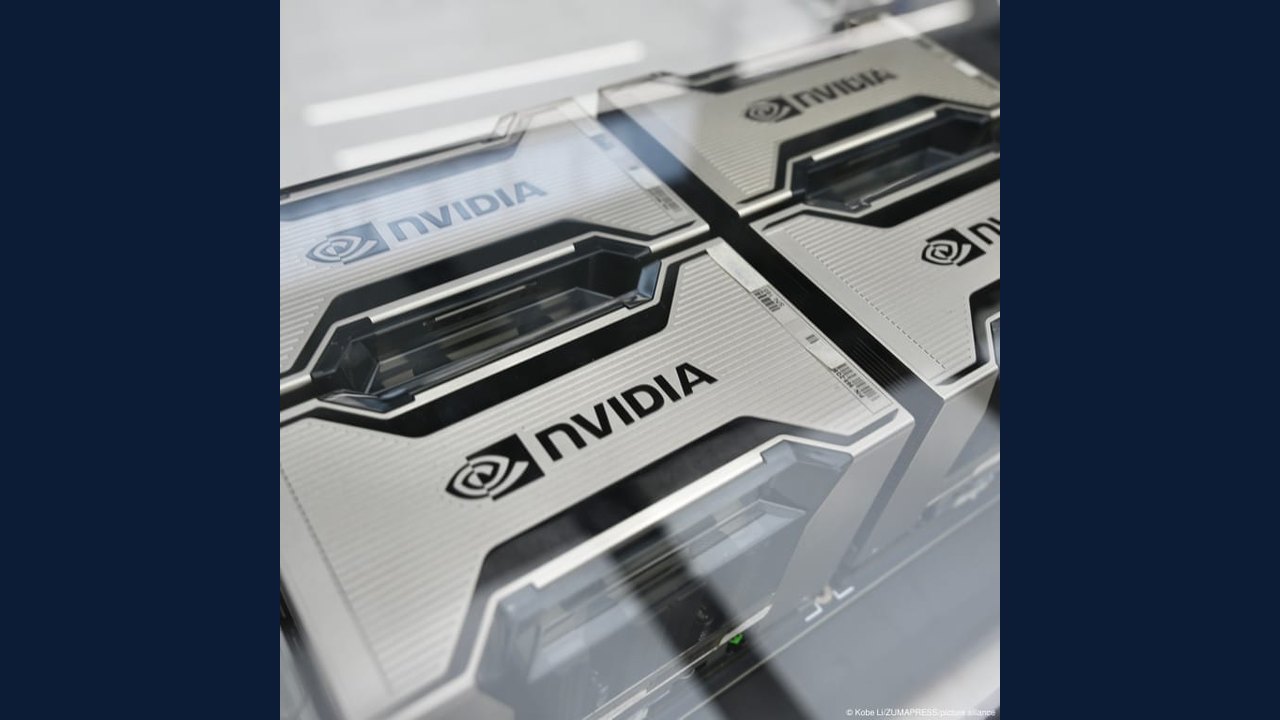
Image: dw.com · Photo source · Resized and letterboxed to 16:9; no AI generation
Recent reports highlight how geopolitical tensions, export controls, and a leadership scandal involving Nvidia shape the global artificial intelligence race between the United States and China. China aims to become a global leader in AI, relying on technological innovation overseen by Vice Premier Ding Xuexiang and the Communist Party's Commission on Science and Technology. However, the US has maintained leadership in chip design and manufacturing technology, implementing export restrictions since 2023 to limit China's access to advanced semiconductors.
Jensen Huang's Resignation and the H200 Debate
Nvidia CEO Jensen Huang resigned following revelations regarding personal relationships, including one involving a businesswoman suspected by the US of espionage. Prior to his resignation, Huang had advocated for looser regulations on selling AI chips to China. In December, the Trump administration permitted Nvidia to ship H200 chips to China under an arrangement granting the US a percentage of sales. While not Nvidia's highest-performance series, the H200 chips are priced at $27,000 each, with Nvidia estimating demand in China at 2 million units.
Despite the White House green light, approximately 600,000 H200 chips remain in Hong Kong awaiting Chinese import approval. Analysts note that Beijing's hesitation reflects a long-term confidence in developing domestic alternatives rather than relying solely on short-term foreign supply.
China's Domestic Semiconductor Strategy
China faces significant hurdles due to a lack of advanced chip-making equipment, particularly lithography systems. Following pressure from Washington, Dutch manufacturer ASML halted exports of its most advanced machines to China. Nevertheless, Chinese researchers emphasize that defense systems, such as the Chengdu J-20 fighter jet and Dongfeng-41 intercontinental ballistic missiles, utilize exclusively domestic chips to mitigate foreign cyberattack risks.
Consulting firm Deloitte reports that China plans extensive investments to support long-term innovation, stabilize supply chains, and foster domestic self-sufficiency.
Practical Implications and Verification
- Readers should verify official announcements regarding trade policy and export controls through primary government publications from the US Department of Commerce and China's Ministry of Foreign Affairs.
- Monitor statements from industry stakeholders regarding semiconductor supply chains and corporate governance updates.
- Evaluate independent analyses from technology policy think tanks for objective assessments of global semiconductor trade.
AI-assisted reporting; source claims are attributed and have not been independently verified.
More to read
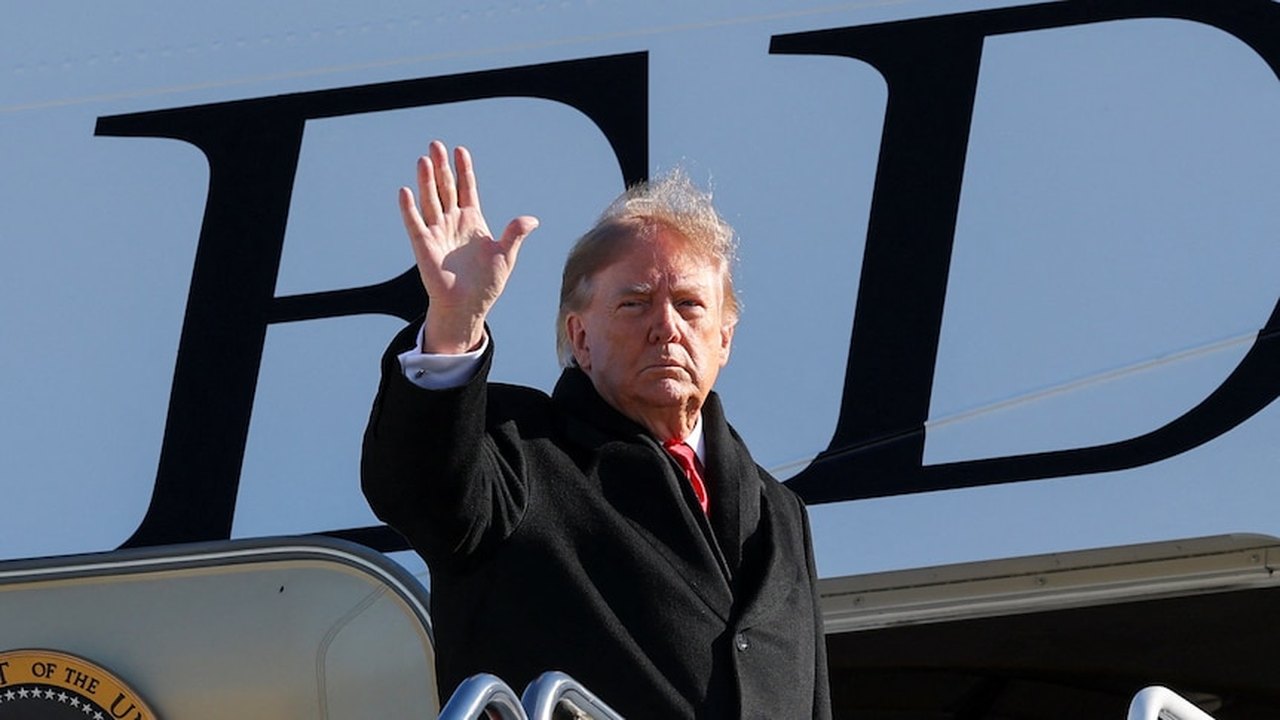 AI and US-China Rivalry Shape Regional Diplomacy at ASEAN and APEC Summits
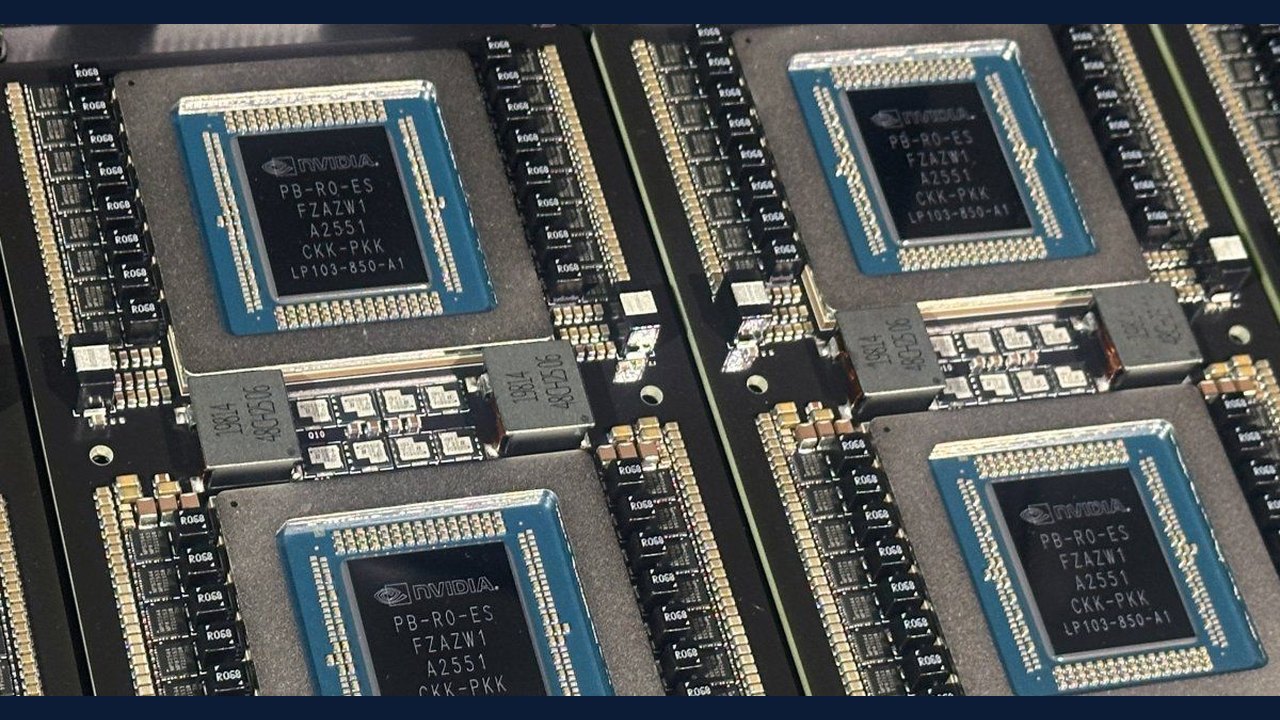 US Imposes New Restrictions to Block China’s Remote Access to Advanced AI Chips Amid Nvidia Scandal
 U.S. Restricts China's AI Chip Access Further Following Nvidia Executive Scandal
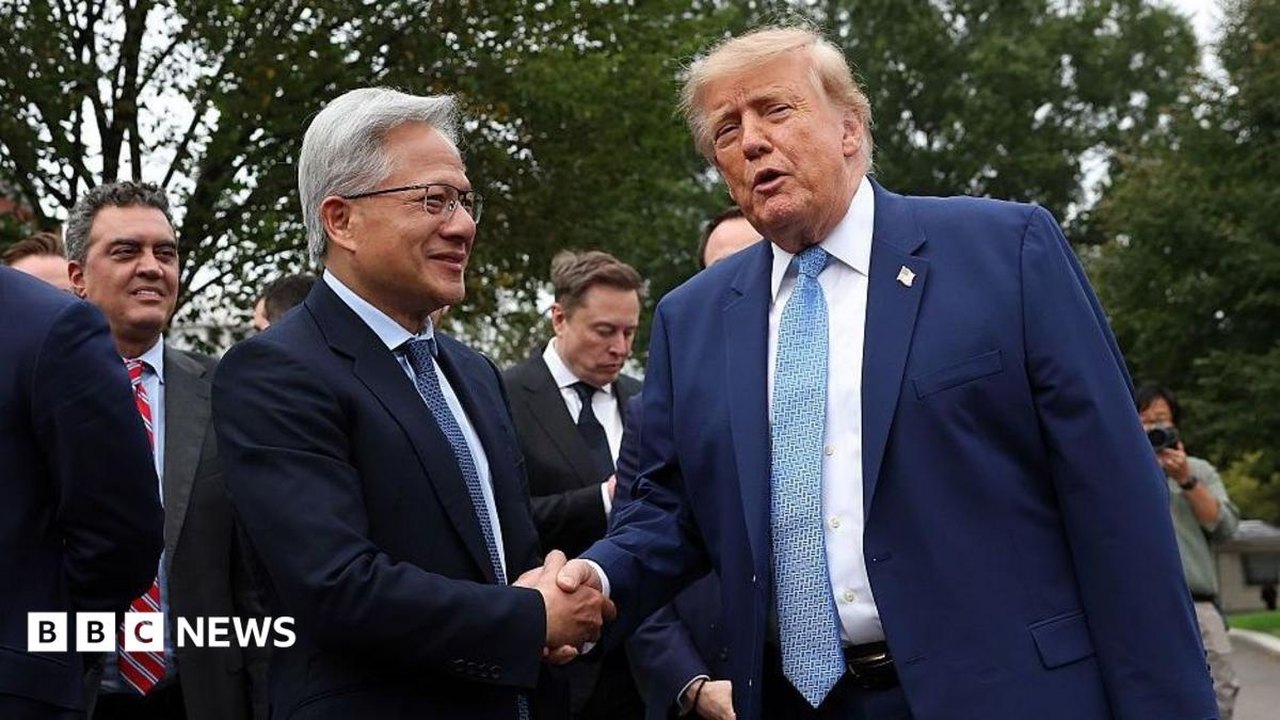 Nvidia Scandal and US China Policy Pressure White House