San Francisco Lab Reports First Administration of AI-Designed Virus to a Patient
· GlobeWire Daily Editorial Desk · Source: www.techradar.com

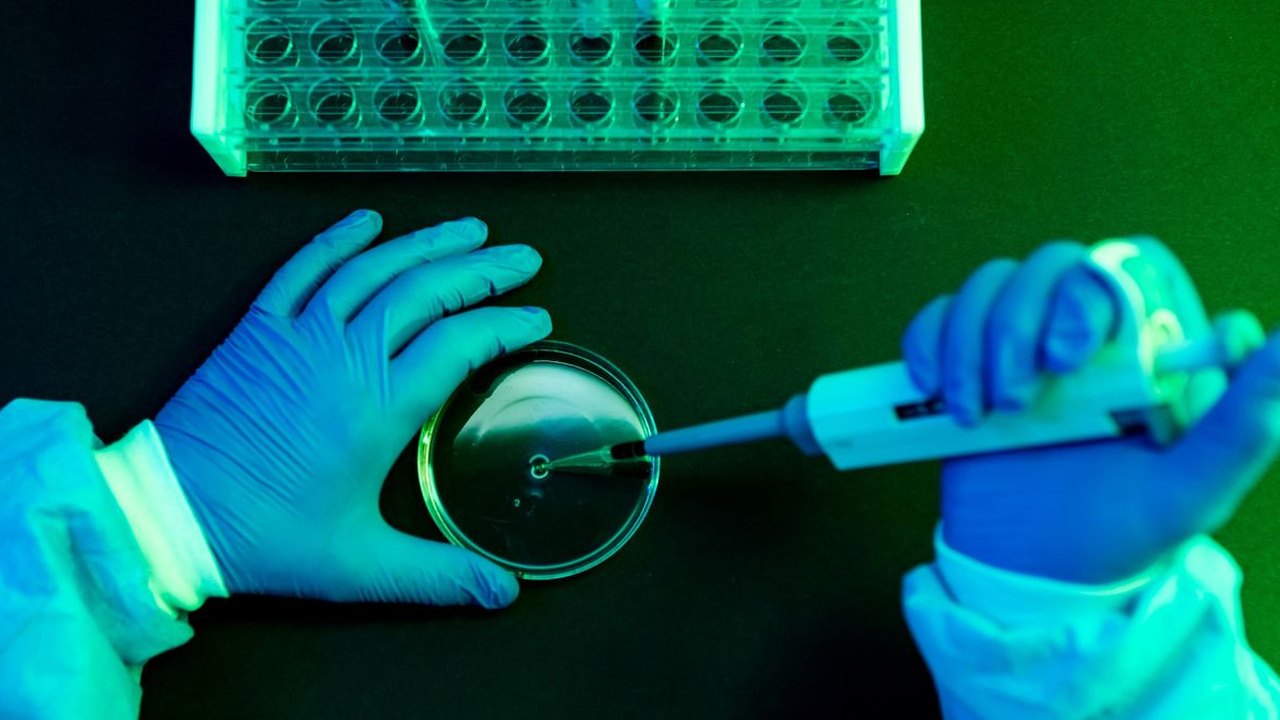
Image: TechRadar · Photo source · Resized and letterboxed to 16:9; no AI generation
AI-Designed Bacteriophage Administered to Patient
San Francisco-based artificial intelligence lab Radical Numerics announced that a human patient with a drug-resistant bacterial infection received treatment involving bacteriophages designed by its genome model, Omnii-1. The administration reportedly occurred under a physician-led compassionate-use pathway authorized by the regulatory authorities.
If the claims are substantiated, this marks the first instance of an AI-designed organism being administered to a human as a medical treatment. However, crucial details regarding the patient's clinical outcome remain undisclosed.
Understanding Phage Therapy and AI Integration
Bacteriophages are viruses that target specific bacteria while leaving human cells and the surrounding microbiome largely unaffected. While phage therapy has existed for over a century, traditional development requires extensive screening of natural libraries or environmental samples to find a match for a specific bacterial strain—a process that can be dangerously slow for critically ill patients.
- Traditional Approach: Time-consuming screening of existing libraries and environmental samples.
- AI Approach: Using models like Omnii-1 to target specific receptor-binding tail fibers to accelerate design.
Radical Numerics reported that Omnii-1 focuses on editing the targeting component of the T7 bacteriophage. According to the company's self-published technical report, laboratory tests indicated that a significant percentage of the designed variants were viable and demonstrated activity against bacterial isolates.
Unverified Results and Independent Reactions
Despite the announcement, independent verification is currently limited:
- No Peer Review: The findings have been self-published by the company and have not undergone independent peer review.
- Withheld Outcomes: Radical Numerics has declined to disclose the patient's clinical course, hospital, or treating physicians, citing privacy concerns.
- Expert Caution: Independent microbiologists have expressed a mix of intrigue and necessary skepticism, noting that single-patient observations cannot establish broader safety or efficacy without formal publication.
Broader Implications and Dual-Use Concerns
Antimicrobial resistance remains a significant global health challenge, with large-scale mortality projections prompting interest in faster treatment discovery methods. However, the ability to computationally design viruses introduces valid biosecurity and dual-use considerations. Radical Numerics has acknowledged these governance challenges by emphasizing internal biosafety and containment measures.
How to Verify the Claims
As this development relies entirely on a company-authored technical report without peer-reviewed data or clinical disclosures, interested readers should monitor scientific journals and official institutional disclosures for future independent studies and formal peer-reviewed publications.
AI-assisted reporting; source claims are attributed and have not been independently verified.
More to read
 First Known Human Case of Shamonda Virus Confirmed in France Following Patient's Death
 San Francisco Bay Area Media and Communications Job Listings Highlight Tech and Corporate Sector Demand
 Recent Administrative Assistant Job Listings Highlight Opportunities Across the San Francisco Bay Area
 Recent Program and Project Management Openings Listed on LinkedIn for the San Francisco Bay Area
Related coverage
Related reporting available at publication.
First Known Human Case of Shamonda Virus Confirmed in France Following Patient's DeathSan Francisco Bay Area Media and Communications Job Listings Highlight Tech and Corporate Sector DemandRecent Administrative Assistant Job Listings Highlight Opportunities Across the San Francisco Bay AreaRecent Program and Project Management Openings Listed on LinkedIn for the San Francisco Bay Area Growing Concerns Emerge Over AI's Impact on Scientific Integrity
 Google Announces Gemini 4 Argon: Capabilities and Availability Reported