T-Mobile, Nokia, and Nvidia Complete World's First Live AI-RAN Call
· GlobeWire Daily Editorial Desk · Source: www.techradar.com
Image: TechRadar · Photo source · Resized and letterboxed to 16:9; no AI generation
Breakthrough Test on a Commercial Cell Site
T-Mobile, Nokia, and Nvidia have announced the completion of what they describe as the world's first Artificial Intelligence - Radio Access Network (AI-RAN) call. The test took place over a live production network in Bellevue, Washington, utilizing a commercial smartphone connected to T-Mobile's existing 5G Standalone core.
The setup combined a Nokia Massive MIMO radio, Nokia's 5G anyRAN software, and servers powered by Nvidia's Aerial RAN Computer (ARC) platform. Unlike laboratory setups relying on test equipment, this trial successfully routed a standard call through a commercial cell site.
Understanding AI-RAN and Potential Benefits
The Radio Access Network (RAN) comprises the antennas, radios, and baseband hardware at each cell site that process signals from mobile phones. Traditional RAN infrastructure relies on custom-built application-specific integrated circuits (ASICs).
AI-RAN shifts baseband processing onto accelerated computing hardware—in this test, Nvidia GPUs running CUDA-based radio software. Companies involved suggest this dual-purpose architecture could allow cell sites to execute AI algorithms that optimize the radio link while potentially renting out surplus computing power for external AI workloads.
A primary goal of AI-RAN integration is improving spectral efficiency, which measures the amount of data transmitted over a given radio frequency bandwidth. Nokia's published material anticipates substantial efficiency gains over the coming years, though independent verification of these long-term projections remains pending.
Current Limitations and Industry Context
While the Bellevue demonstration confirms that Nokia's radio software can operate on Nvidia hardware within a live network environment without dropping connections, specific performance metrics regarding latency, throughput, and efficiency were not publicly disclosed by the companies.
Industry reactions and related trials highlight a competitive technology landscape:
- Alternative Trials: T-Mobile recently tested AI-managed beamforming trials in New York City using Ericsson equipment and proprietary silicon, reporting notable gains in downlink throughput during peak hours.
- Varying Metrics: Lab-based tests by Deutsche Telekom reported moderate uplink throughput improvements from AI-based channel estimation, though field trials are still required.
- Deployment Timeline: Commercial AI-RAN hardware from Nokia is projected for release around 2027, with broader industry transitions toward 6G networks anticipated near the end of the decade.
Practical Implications and Verification
For everyday mobile users, the successful call brings no immediate changes to voice quality or data speeds. The primary objective of AI-RAN architecture is to expand network capacity in high-density areas rather than introduce user-facing features.
Observers note that while the foundational technology has demonstrated basic operational capability, evaluating the return on investment, total cost of ownership, and actual performance at scale will require extended field deployment. Interested readers can review official announcements directly through the respective corporate newsrooms of T-Mobile, Nokia, and Nvidia to verify technical claims and updates.
AI-assisted reporting; source claims are attributed and have not been independently verified.
More to read
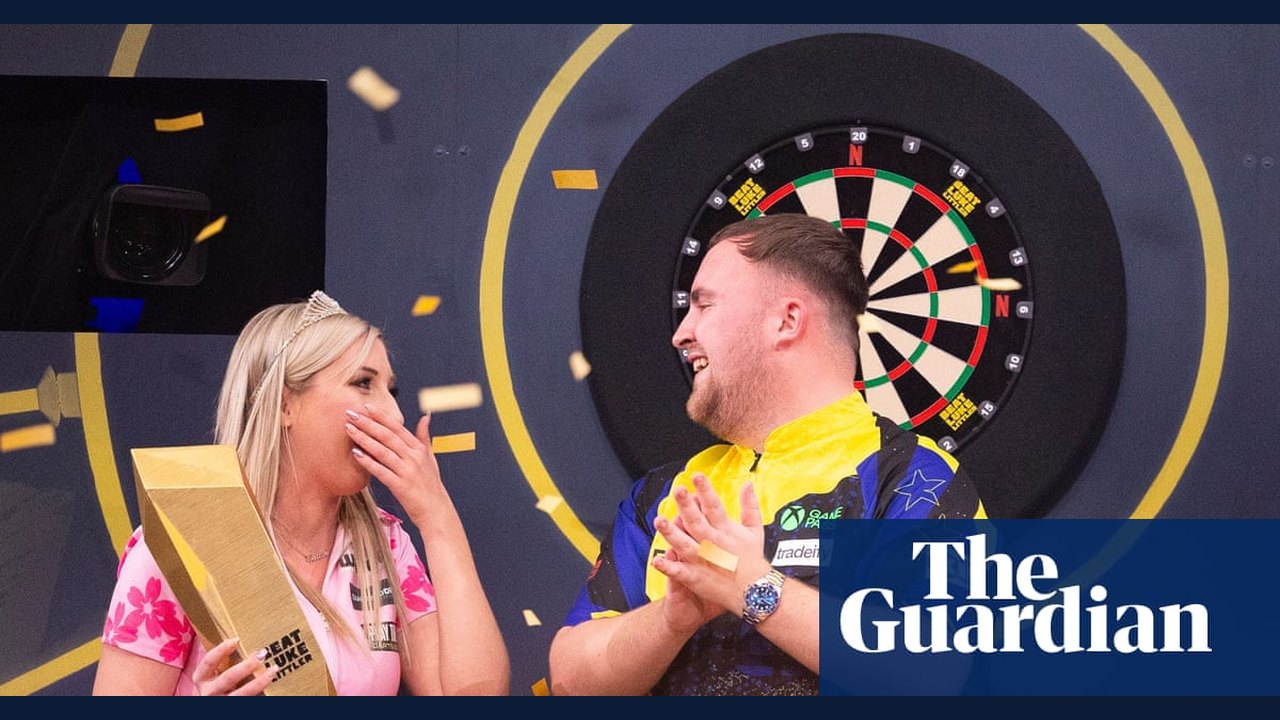 Fallon Sherrock Defeats World Darts No. 1 Luke Littler to Claim £501,000 Prize on Netflix Live Event
 Milwaukee Brewers Secure First World Series Title in Franchise History
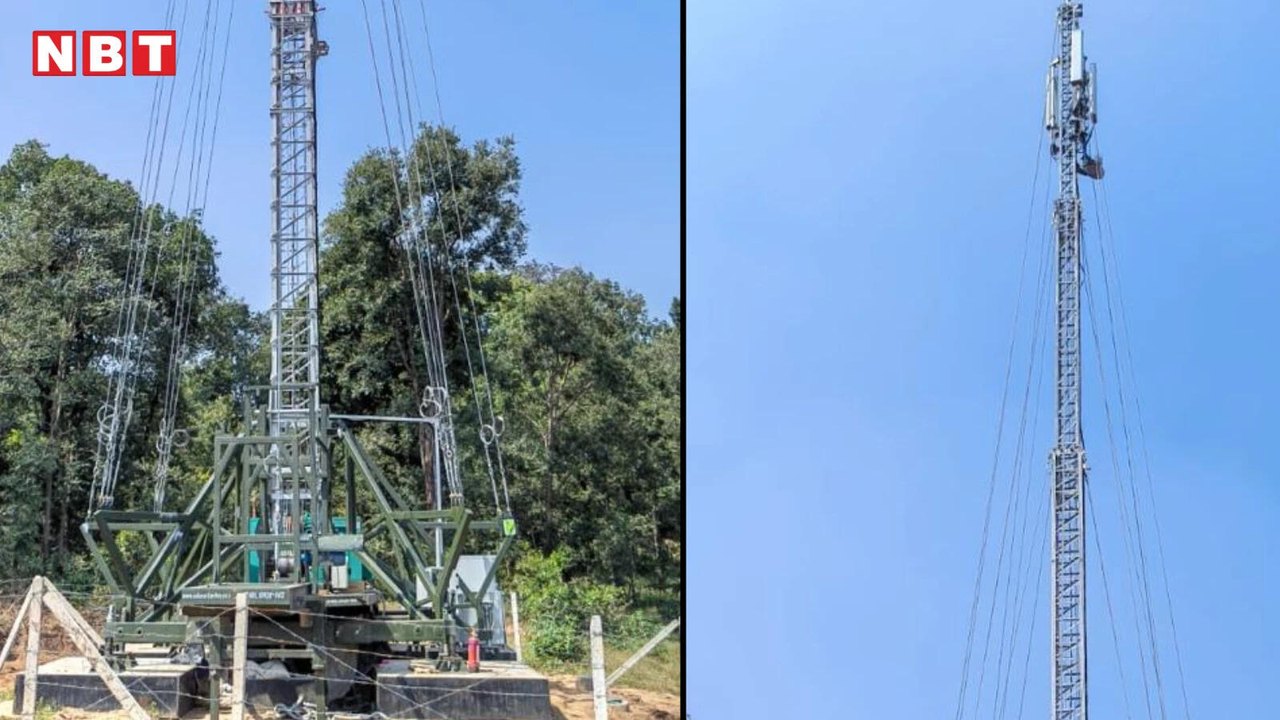 Remote Tribal Village in Singrauli Connects to Mobile Network for the First Time Through Private Initiative
 UK Pledges £100m for 'World First' AI Biosecurity Lab in Budget Announcement
Related coverage
Related reporting available at publication.
Fallon Sherrock Defeats World Darts No. 1 Luke Littler to Claim £501,000 Prize on Netflix Live EventMilwaukee Brewers Secure First World Series Title in Franchise HistoryRemote Tribal Village in Singrauli Connects to Mobile Network for the First Time Through Private InitiativeUK Pledges £100m for 'World First' AI Biosecurity Lab in Budget Announcement Study Reveals Most Workers Fail to Verify AI Outputs as Training Lags Behind Adoption
 Oracle to Offer Google TPUs on OCI in Landmark Cloud Partnership