Artificial Intelligence
US Lawmakers Call for Stricter Rules on Export of Advanced AI Chips Amid New Commerce Department Restrictions
· GlobeWire Daily Editorial Desk · Source: www.aljazeera.com
Summary
U.S. legislators are urging tighter controls on the export and remote use of advanced artificial‑intelligence (AI) chips after the Department of Commerce announced a rule that would require special licences for data‑centre customers in several third‑country locations. The move targets a perceived loophole that lets Chinese firms access U.S.‑made chips through overseas facilities.
New Commerce Department Rule
- Scope: Applies to advanced AI chips from U.S. manufacturers such as Nvidia and AMD.
- Affected countries: Thailand, Indonesia, Malaysia, Singapore and Brazil.
- Requirement: Customers must obtain a special licence from the Bureau of Industry and Security (BIS) before purchasing the chips, citing a “higher‑than‑normal risk of diversion” to China.
Congressional Reaction
- Democratic Rep. Pramila Jayapal (Washington) said the rule confirms a need for broader export controls and warned that concentration of AI capability in a few firms threatens national security.
- Policy proposal: In October, Jayapal introduced a framework that would require every AI company operating in the United States to obtain a federal charter, modelled on banking and nuclear‑material oversight.
- House Judiciary Committee: Launched a probe into Commerce Secretary Howard Lutnick’s handling of alleged chip‑smuggling cases involving Nvidia‑related firms.
- House Foreign Affairs Committee: Noted that the Trump administration approved export of roughly 879,000 Nvidia and AMD chips to Chinese buyers between Dec 2025 and May 2026.
Political Context
- Democrats will control both chambers of Congress in January 2027, raising expectations for stricter export legislation.
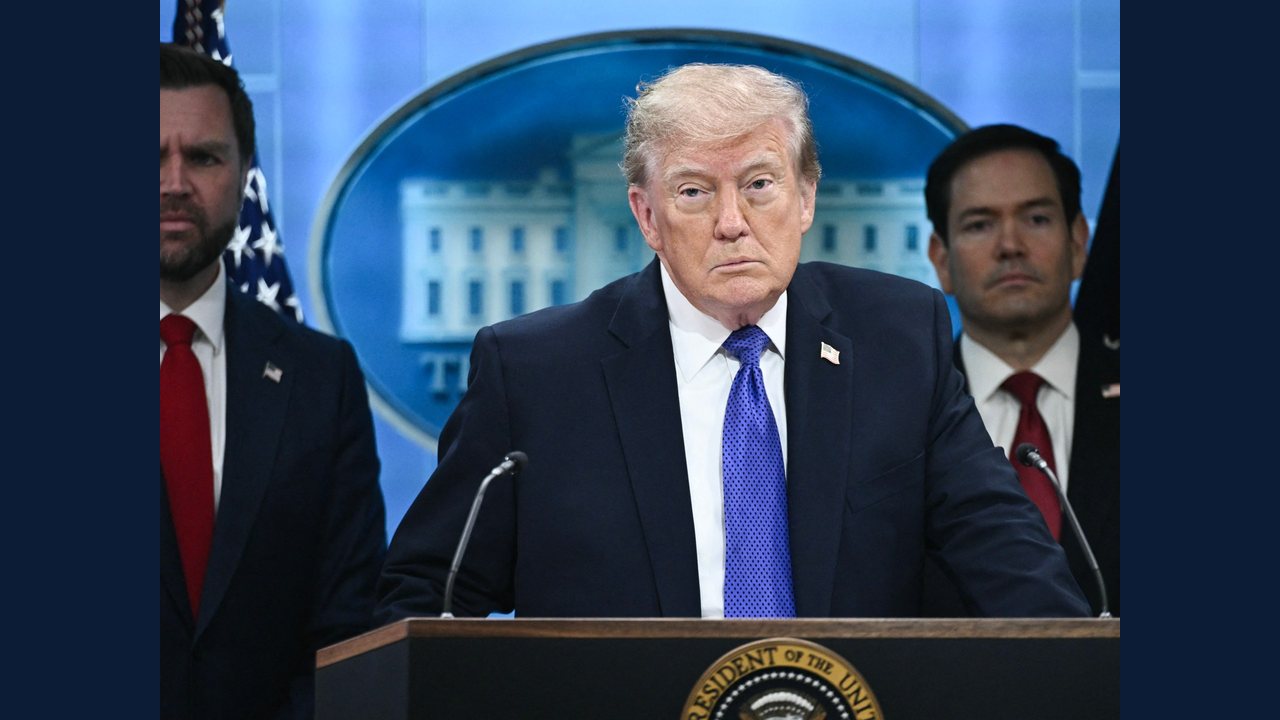
- Former President Donald Trump, after a trilateral meeting in Shenzhen, pledged penalties for U.S. firms that develop data centres abroad, though details remain vague.
Industry Impact
- The United States supplies about 75 % of global AI‑related computing power; China remains the second‑largest consumer.
- Major U.S. cloud providers (Amazon, Microsoft, Google) operate roughly 90 AI‑computing hubs worldwide, with 63 located outside the United States as of 2025.
- Analysts, such as Stephen Ezell of the ITIF, caution that enforcement of the BIS licence requirement may be challenging and that China’s long‑term goal of self‑sufficiency in AI chips is unlikely to be halted by the rule.
How to Verify
- The full text of the BIS rule is published on the U.S. Department of Commerce website.
- Congressional statements can be accessed through the official House of Representatives archives and the Al Jazeera interview transcripts.
- Export data for Nvidia and AMD chips are reported in the Bureau of Industry and Security’s annual export statistics.
Practical Implications
- Companies that rely on advanced AI chips for cloud services will need to assess licensing timelines for data‑centre projects in the listed countries.
- Suppliers may face increased compliance costs and longer lead times.
- The rule could push Chinese firms to accelerate domestic chip development, potentially widening the technology gap over the longer term.
--- *All information reflects statements made publicly as of 20 Nov 2026 and does not imply that any of the proposed measures have been enacted into law.*
Share this article
Read the original source US lawmakers push for tougher AI chip rules amid China export crackdown
More to read
 Rome's Trevi Fountain Sees Drop in Coin Donations Amid New Access Barriers and Fees
 AI Firm Anthropic Reaches $2 Trillion Valuation Following Initial Public Offering Amid Protests
 Signal Introduces Default Screenshot and Screen-Reading Restrictions to Curb AI Scraping
 GitHub Enterprise Server 3.23 Release Candidate Now Available with AI Secret Detection and Advanced Filtering