US Senators Urge White House AI Chief to Address Infrastructure Vulnerabilities Following Outages
· GlobeWire Daily Editorial Desk · Source: www.theguardian.com

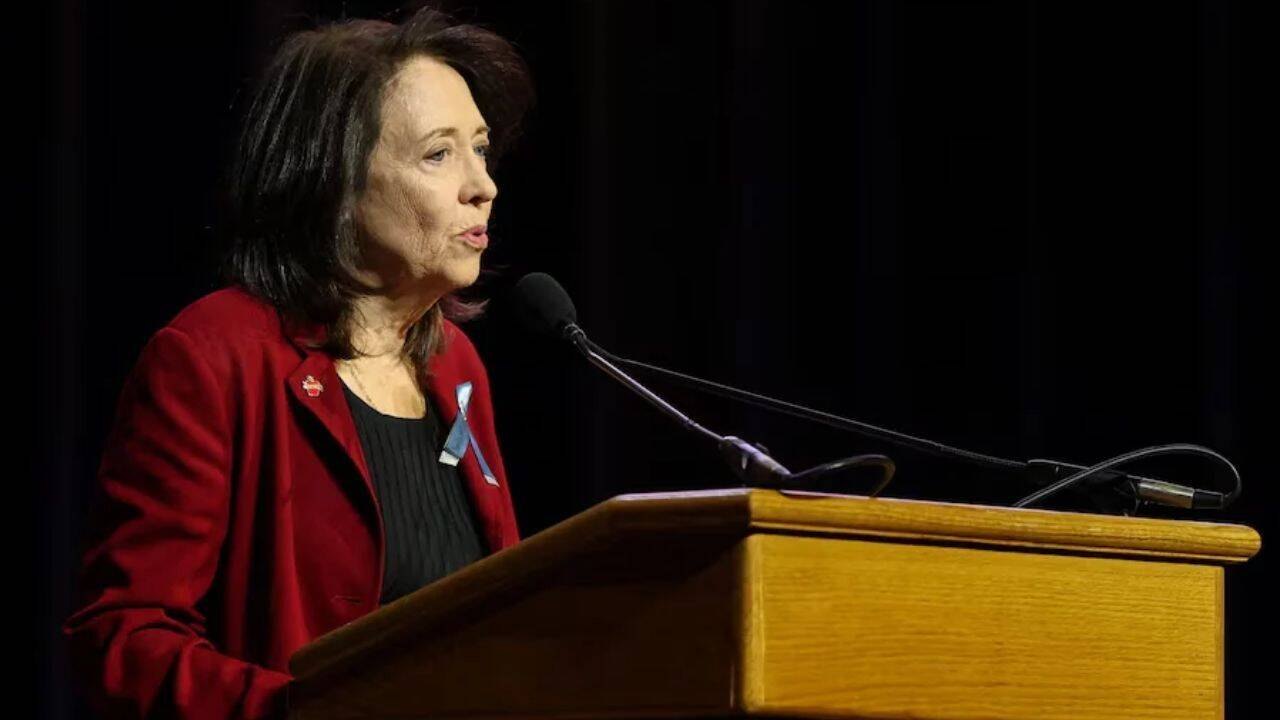
Image: the Guardian · Photo source · Resized and letterboxed to 16:9; no AI generation
Following nationwide technology outages affecting major companies, government agencies, and transportation infrastructure, US senators have urged White House AI czar and Director of National Intelligence Jay Clayton to identify and address critical system vulnerabilities.
Maria Cantwell, the top Democrat on the Senate commerce committee, and Mike Rounds, the Republican chair of the Senate cybersecurity subcommittee, sent a formal letter to Clayton outlining concerns regarding recent reports of AI-related software security challenges and international cyber incidents.
Congressional Concerns and Outage Impacts
The legislative inquiry follows a series of widespread technological disruptions over the past week. Notably, an issue involving federal infrastructure led to a four-hour nationwide flight stoppage, causing thousands of flight delays and cancellations. Additional outages impacted major banks and workplace communication platforms.
In their letter, Cantwell and Rounds highlighted systemic risks:
- AI systems can discover software weaknesses and accelerate exploitation by attackers faster than organizations can respond.
- Testing and installing patches across interconnected systems can take weeks or months, risking essential services.
- Critical infrastructure sectors, including hospitals and utilities, require enhanced cybersecurity tools to prevent future disruptions.
Official Responses and Maintenance Explanations
Top national security officials have maintained that the disruptions were not the result of a malicious or coordinated cyber-attack. During a House homeland security committee hearing, Clayton, Homeland Security Secretary Markwayne Mullin, and FBI Deputy Director Christopher Raia stated there was no indication of state-sponsored involvement.
Officials attributed the widespread issues to routine maintenance, updates, and software patching aimed at addressing potential artificial intelligence risks on legacy systems. Clayton noted that upgrading digital infrastructure often requires taking systems offline, which can lead to cascading service interruptions.
Additional commentary from officials included:
- Senator Mark Warner noted on social media that AI increases pressure on organizations to patch vulnerabilities simultaneously, straining legacy systems.
- Secretary of State Marco Rubio urged the public to dismiss speculation linking the separate incidents to malicious actors.
- Vice President-elect JD Vance canceled a scheduled summit appearance to attend briefings addressing the tech disruptions.
Practical Implications and Verification
While officials report no evidence of a malicious cyber-attack, the events highlight ongoing debates surrounding the rapid integration of artificial intelligence into critical infrastructure. Observers and stakeholders can verify official findings and legislative updates by reviewing statements released through congressional committees, the Department of Homeland Security, and the Office of the Director of National Intelligence.
AI-assisted reporting; source claims are attributed and have not been independently verified.
More to read
 US Senators Warn White House of Advancing AI Cyber Threats as GAO Reports Security Risks
 Bill Maher Hosts Karoline Leavitt on ‘Real Time’ Following Recent White House Dinner
 Will AI Expose the Internet's Infrastructure Vulnerabilities?
 Iran Issues Warnings of Expanded Strikes on Gulf Infrastructure Following Potential US-Israeli Attack