Baidu Unveils Unlimited OCR 2, Claiming Unlimited‑Horizon Document Parsing
· GlobeWire Daily Editorial Desk · Source: github.com

Image: GitHub · Photo source · Resized and letterboxed to 16:9; no AI generation
What Baidu announced
Baidu’s AI research team released Unlimited OCR 2 on GitHub (https://github.com/baidu/Unlimited-OCR) The project’s own notes say the model can parse *any‑length* document in a single request, a capability they label unlimited‑horizon parsing.
Core technical claim – Sparse Reference Sliding Window Attention (SR‑SWA)
- SR‑SWA compresses the attention map of a text‑visual transformer to a fixed‑size reference set (e.g., 512 tokens).
- This keeps per‑step latency and memory use almost constant, regardless of how many pages the input contains.
- The authors state that the approach eliminates the quadratic scaling that traditionally limits OCR models to a few dozen pages.
Reported performance
- The team released two new benchmarks: MPDocBench (dozens of pages) and MarathonDocBench (hundreds of pages).
- According to the repository’s README, Unlimited OCR 2 achieves *state‑of‑the‑art* scores on both, surpassing Deepseek‑OCR, PaddleOCR and earlier Deepseek‑OCR‑2 results.
- A demo video shows a full‑length book (over 300 pages) parsed in a single API call.
Availability and ecosystem support
- ModelScope and Baidu Cloud now host the model for direct download.
- A Hugging Face Spaces demo, created by community member AK, is also live.
- The code works with the standard Transformers library for quick tests, but the authors recommend SGLang for production serving because of its efficient batching and CUDA‑graph support.
Practical implications for developers
- One‑shot parsing: Applications that previously had to split a PDF into separate pages can now send the whole document at once, preserving cross‑page context (e.g., tables that span pages).
- Memory planning: The README lists several knobs (e.g., `--mem-fraction-static`, `--max-prefill‑tokens`) that affect GPU RAM usage.
- Scalability: Early tests on an NVIDIA A800‑80GB show stable memory use up to 32 concurrent requests when `--mem-fraction-static` is set to 0.7.
- API compatibility: The model exposes an OpenAI‑compatible endpoint, making it easy to integrate with existing client libraries.
How to verify the claims
- Check the arXiv paper (released 2026‑11‑02) for the formal description of SR‑SWA and benchmark methodology.
- Clone the GitHub repo and run the provided `infer_multi` script on a multi‑page PDF; compare the output against the ground‑truth files in the benchmark folder.
- Review the benchmark logs in `utils/README.md` to see the exact numbers reported for MPDocBench and MarathonDocBench.
- Cross‑reference with independent evaluations – look for third‑party blog posts or conference talks that reproduce the results.
Open questions / unknowns
- Real‑world latency on consumer‑grade GPUs (the repo only reports tests on an A800).
- How the model handles highly complex layouts (e.g., multi‑column scientific papers) beyond the benchmark datasets.
- Licensing and commercial usage terms are not detailed in the repository.
Community acknowledgments
The release notes thank the ms‑swift, vLLM, ModelScope, and Baidu Cloud communities for support, as well as individual contributors who built demos.
--- *The article is based solely on Baidu’s public GitHub repository, the accompanying arXiv paper, and the benchmark documentation provided by the authors.*
AI-assisted reporting; source claims are attributed and have not been independently verified.
More to read
 ModelBest and OpenBMB Release MiniCPM-OCR Series for Efficient Document Parsing and Quality Control
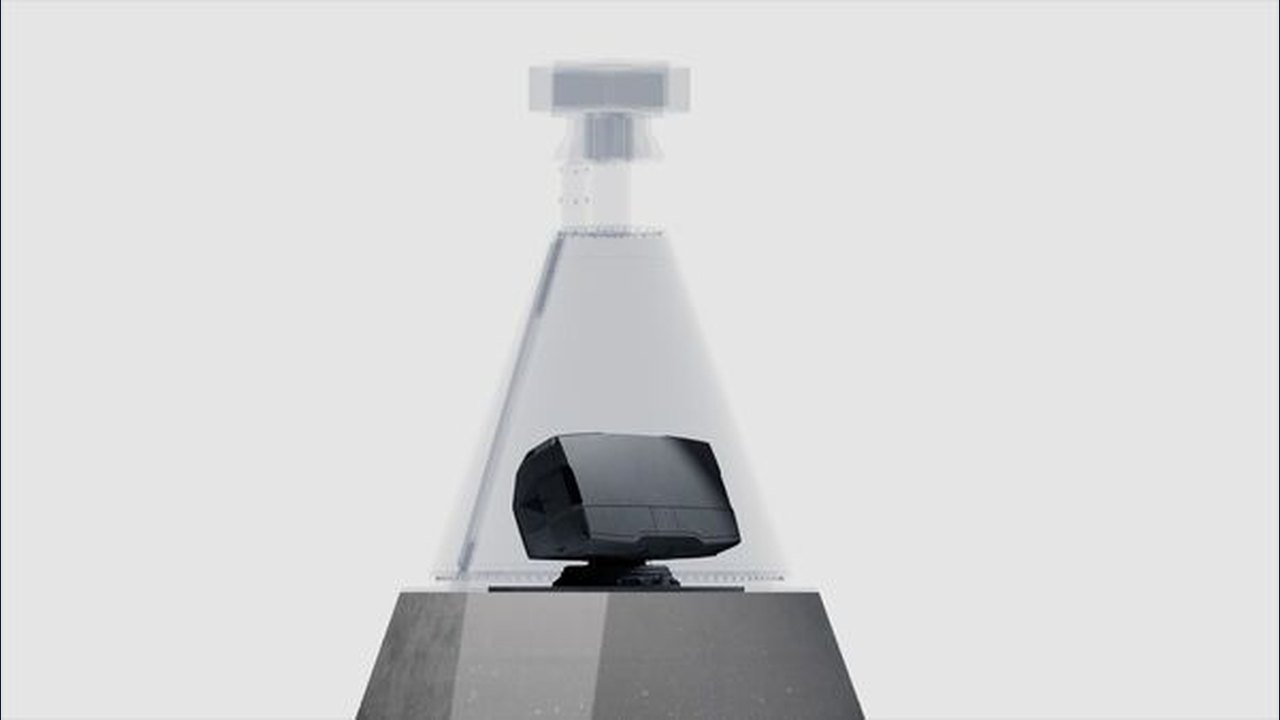 Saab Unveils New Sea Giraffe AMB D Naval Radar with AESA Technology
 Horizon Open-Source Project Offers AI-Powered News Aggregation and Briefing Generation
 OpenAI Publishes Lean Formalization Document for Complexity Theory Research
Trending on GlobeWire Daily
Selected from recent coverage and related topics; not live search rankings.
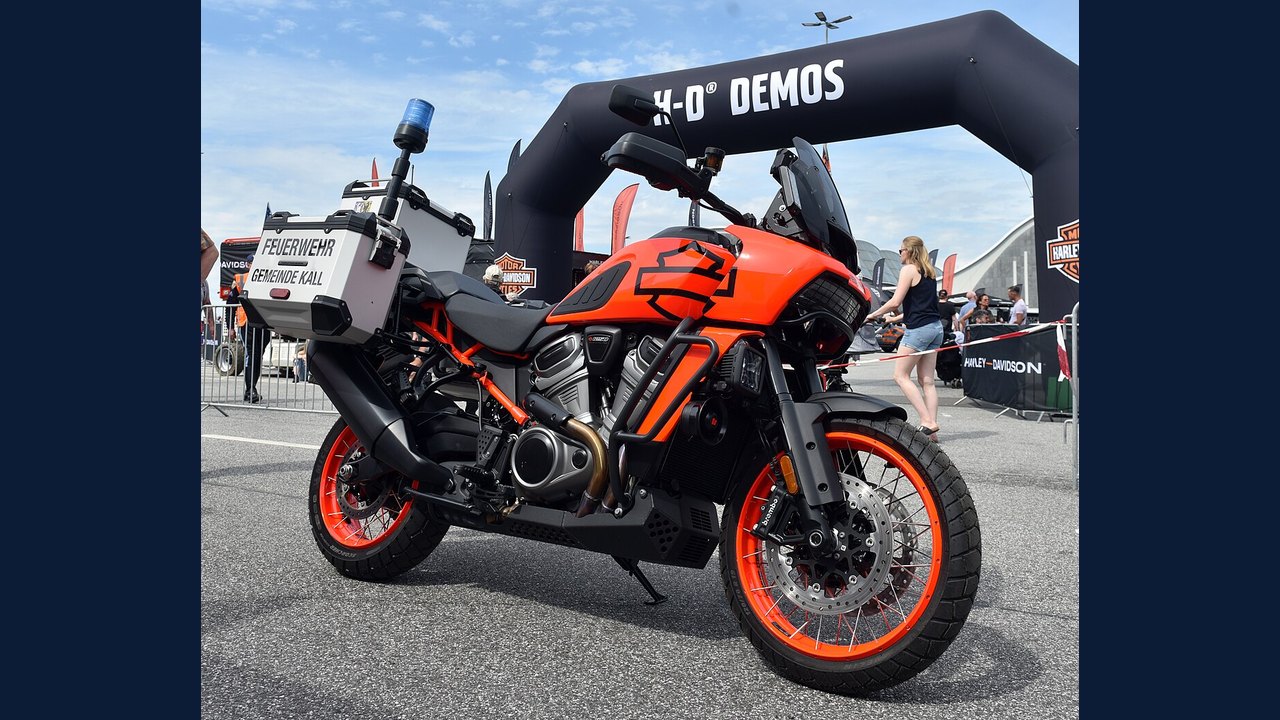 Harley-Davidson Pan America: Specifications & buying guide
 Ducati Mach 1: Specifications & buying guide
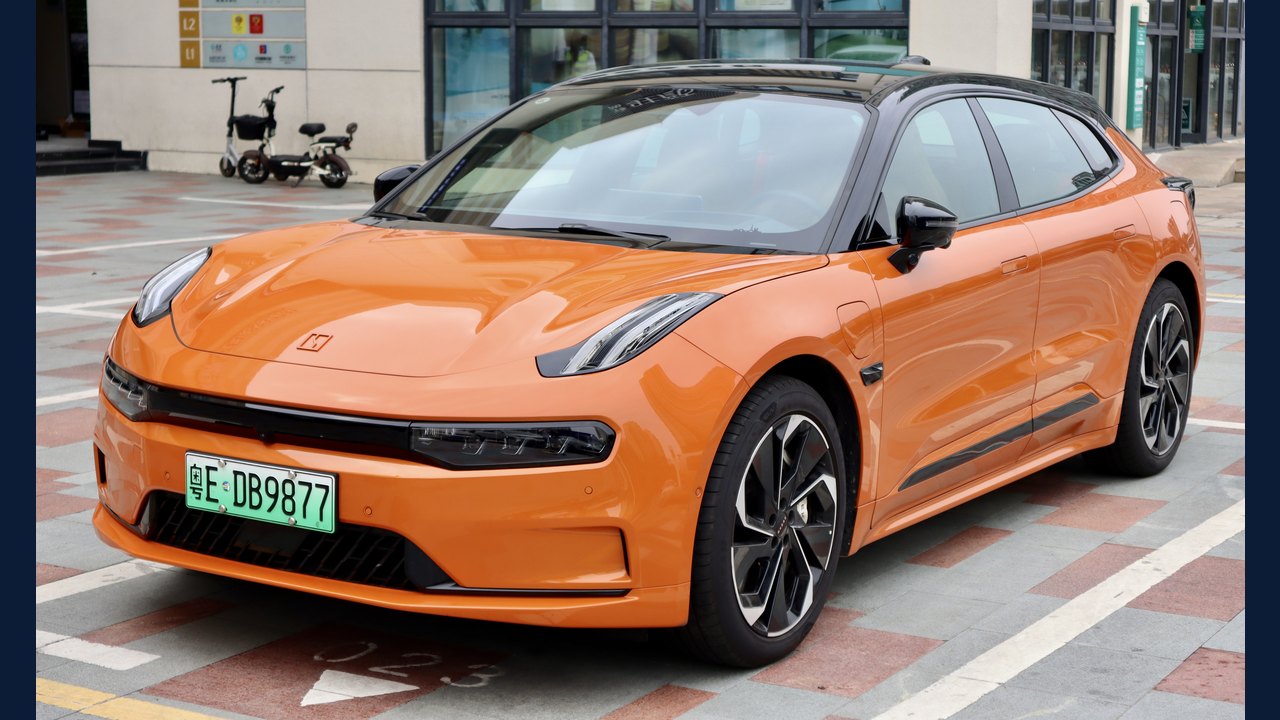 Zeekr 001: Specifications, variants & buying guide
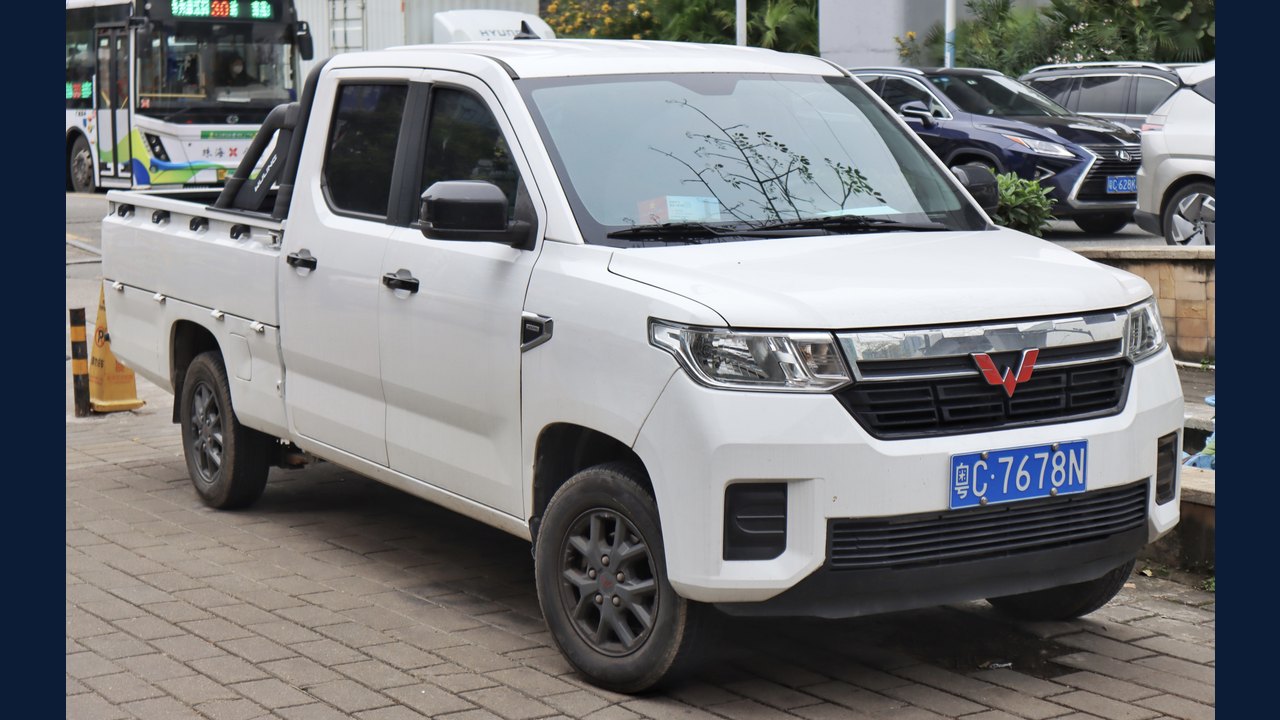 Wuling Zhengtu: Specifications, variants & buying guide
 Samsung Galaxy Note 3: Specifications & buying guide
 Huawei Ascend P6: Specifications & buying guide