How Google’s Android XR Glasses Handle Camera and Privacy Features
· GlobeWire Daily Editorial Desk · Source: 9to5google.com
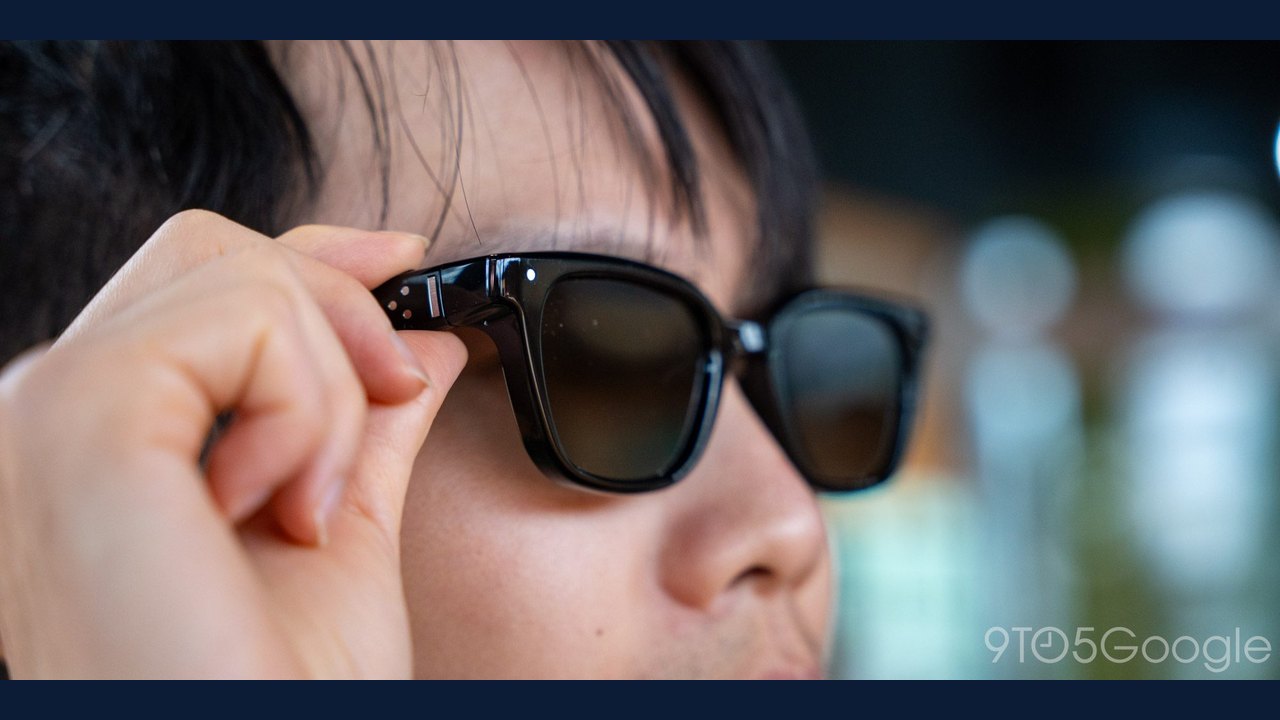
Image: Ben Schoon · Photo source · Resized and letterboxed to 16:9; no AI generation
Reports outline how Google plans to address privacy and camera usage concerns for upcoming Android XR intelligent eyewear from partners like Warby Parker and Gentle Monster. According to recent announcements, the devices incorporate specific hardware and software safeguards designed to manage recording indicators, data retention, and bystander privacy.
Recording Lights and Hardware Checks
- Indicator Light: An outward-facing recording light activates whenever the glasses capture content intended to be viewed later by the user, such as photos or videos.
- Gemini Context: The recording light does not activate when the camera is used solely to provide visual context to the Gemini assistant.
- Tamper Protection: The glasses perform regular system checks during charging (indicated by flashing white and blue lights). If the hardware check fails and the light is non-functional, the camera is disabled.
Data Handling and Privacy Safeguards
- Immediate Deletion: Visuals captured for Gemini are purged immediately after use, preventing storage in chat logs and barring use for AI training or advertising.
- Face Redaction: When photos are sent to Gemini, the companion phone app automatically redacts faces locally before transmission.
- Voice Filtering: Voice data sent to Gemini filters out external voices, and features like live translation focus on a 60-degree forward cone.
- Recording Limits: Video recording sessions are capped at 90 seconds per session.
Ecosystem Policies and Verification
Google applies ecosystem-wide rules to prevent misuse, including requiring users to agree to responsible use terms, restricting Google Play apps from live-streaming or facial identification via the glasses, and requiring an adult Google account (18+) for activation. Pre-orders for the glasses begin at $395, with shipping expected to start on December 10. Readers can verify official specifications, availability, and policy details by consulting Google's primary announcements and product documentation.
AI-assisted reporting; source claims are attributed and have not been independently verified.
More to read
 Hands-on: Google and Samsung’s Android XR glasses focus on design and privacy
 Google’s First‑Generation Android XR Glasses Aim to Fix Privacy and AI Gaps in Smart‑Glasses Market
 Google's Android XR Glasses Launch With Base Prices Starting at $395, But Add-Ons Push Costs Higher
 Google Pixel Watch 5 Review: A Complete Android Smartwatch with Strong Battery and AI Features