XREAL Aura Review: Android XR Glasses Bring Mixed‑Reality to a Light, See‑Through Form Factor
· GlobeWire Daily Editorial Desk · Source: 9to5google.com
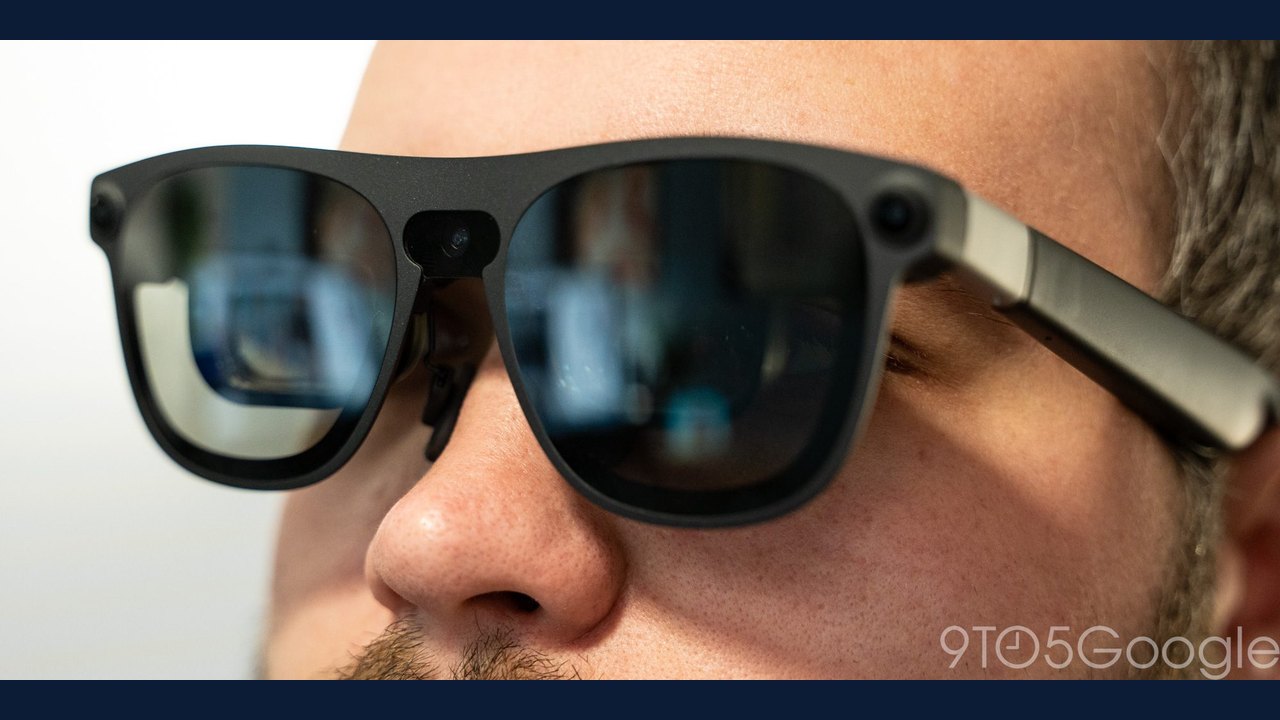
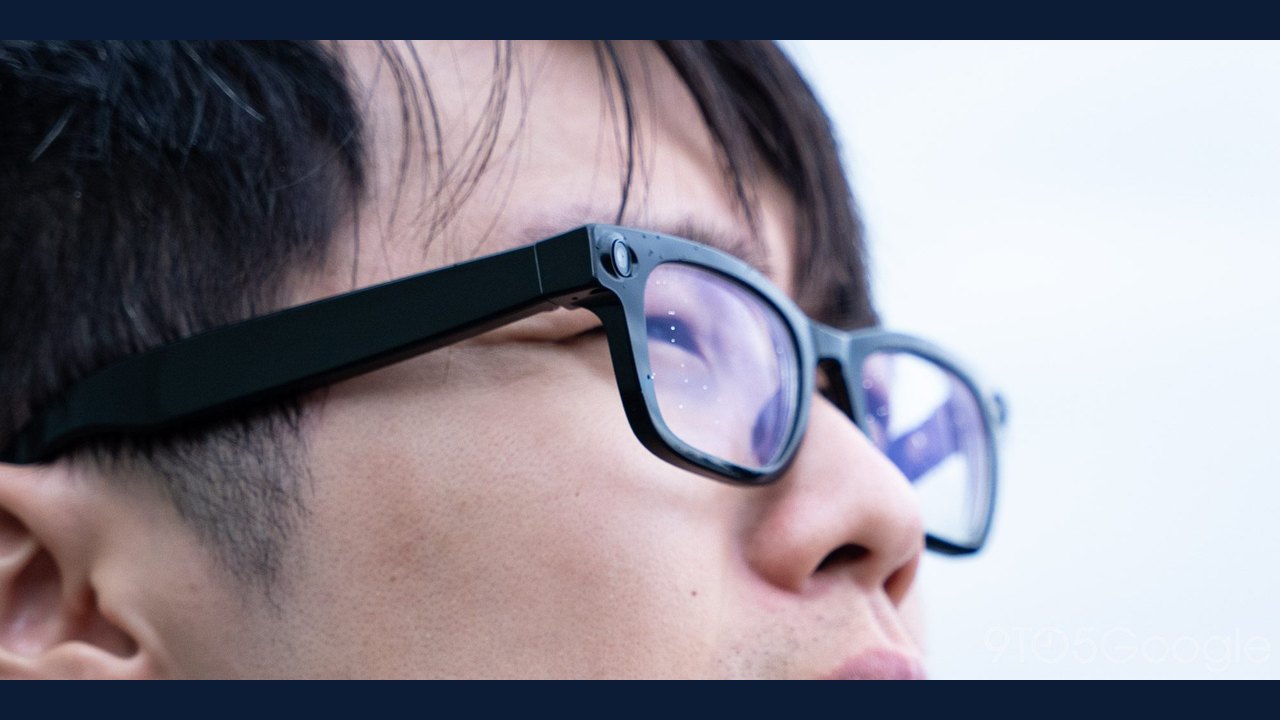
Image: Ben Schoon · Photo source · Resized and letterboxed to 16:9; no AI generation
Summary
The XREAL Aura is a two‑part mixed‑reality system that pairs see‑through glasses with a wired “puck” running Android XR. It offers bright displays, electro‑chromic dimming, world‑facing cameras and a Snapdragon Reality Elite chip, but its sweet spot is wired mirroring and media consumption rather than full‑immersion gaming or heavy productivity.
What the Aura Is
- Glasses – Two micro‑OLED displays (one per eye) with 120 Hz refresh, 70° field‑of‑view and electro‑chromic lenses that can darken to block the real world.
- World‑facing cameras – Enable hand‑tracking, QR‑code scanning and basic photo capture.
- Puck – USB‑C powered hub that houses a Snapdragon Reality Elite SoC, 12 GB RAM, 256 GB storage (base model) and a fingerprint sensor/touchpad for secondary input.
- Weight – 95 g for the glasses, a fraction of Meta Quest 3, Samsung Galaxy XR and Apple Vision Pro.
Android XR Experience
- The platform launches a floating launcher where Android apps appear as resizable windows.
- Hand gestures move and resize windows; a pinch acts as a tap, and a floating cursor shows the aim point.
- Most mobile apps run unchanged (Google Docs, Chrome, Spotify web version, etc.), but they can feel cramped or poorly optimized for hand‑gesture interaction.
- Voice‑activated Gemini Live provides quick answers, though ending a session requires a physical button press.
Strengths
- Portability – Light glasses feel like sunglasses; comfortable for long flights.
- Mirroring – Plug any USB‑C device into the puck and view a full‑screen Android window, ideal for laptop or tablet content on a plane.
- Display quality – Bright enough for indoor use, 120 Hz smooth, minimal flicker.
- Battery & storage – Puck supplies power and up to 256 GB local storage for offline media.
Weaknesses & Open Questions
- Field‑of‑view – 70° is narrower than many VR headsets, limiting immersion.
- App ecosystem – Primarily mobile apps; few native mixed‑reality experiences (≈150 at launch, many still in early stages).
- Gaming – Glasses can slip with large motions; stationary games work but lack the catalog of Meta Quest.
- Productivity – Virtual keyboard is impractical; workflow still relies on a physical keyboard and mouse, reducing the advantage over a laptop.
- Price – US$1,099 (discounted from $1,279) is high for a glasses‑only system but cheaper than competing high‑end headsets.
Practical Takeaways
- Best use case: Wired mirroring for media consumption on flights or in‑office presentations.
- How to verify: Check XREAL’s official spec sheet and Android XR documentation; confirm the Snapdragon Reality Elite chip and 12 GB RAM claim.
- Future outlook: Success hinges on developers delivering more native mixed‑reality apps and improving gesture reliability.
--- Verdict – The Aura solves XREAL’s long‑standing mirroring problem and showcases Android XR, but it remains a niche device for travelers and light mixed‑reality enthusiasts rather than a full‑scale VR replacement.
AI-assisted reporting; source claims are attributed and have not been independently verified.
More to read
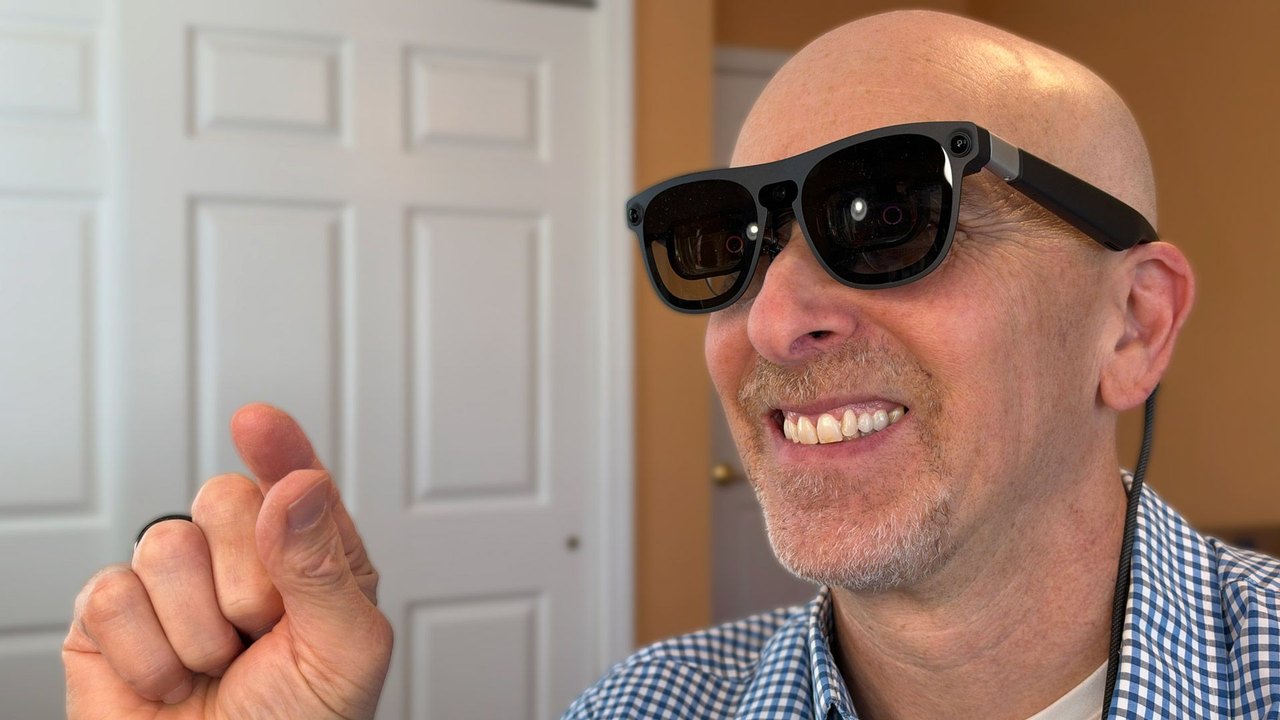 Xreal Aura Wired Android XR Glasses Review: A Promising Lightweight Wearable
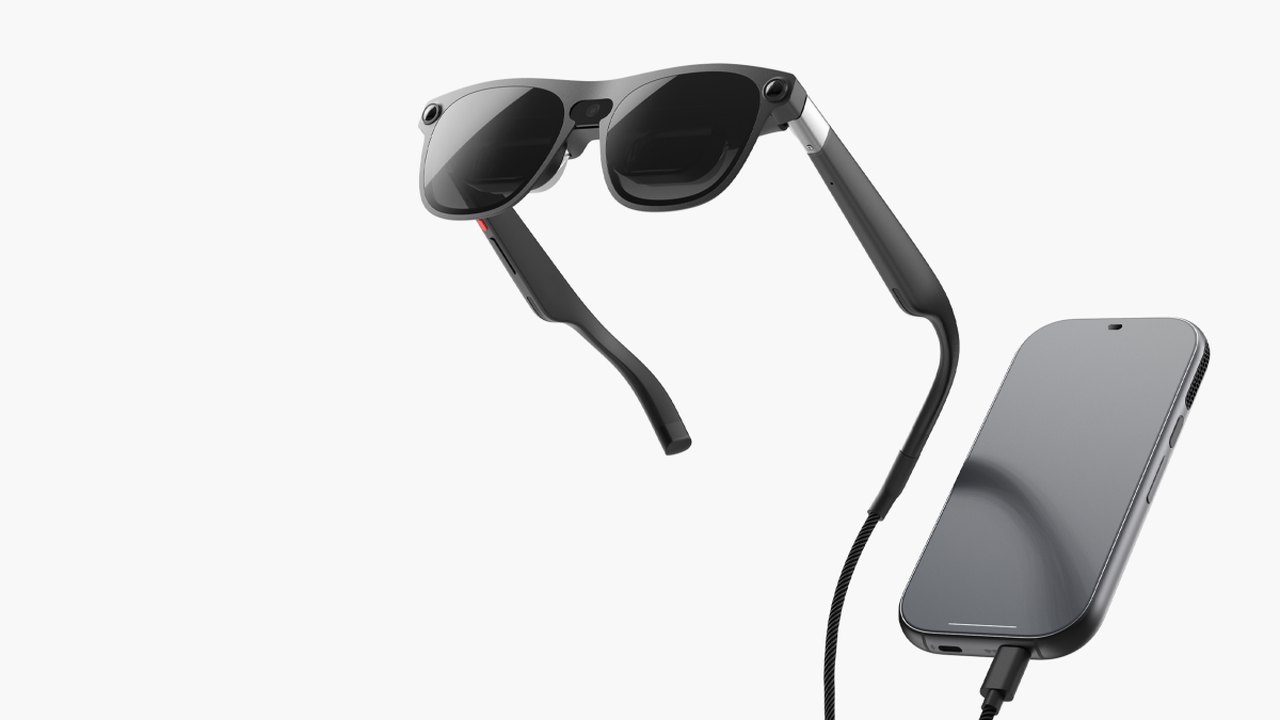 Xreal Launches Aura Wired Smart Glasses Powered by Android XR
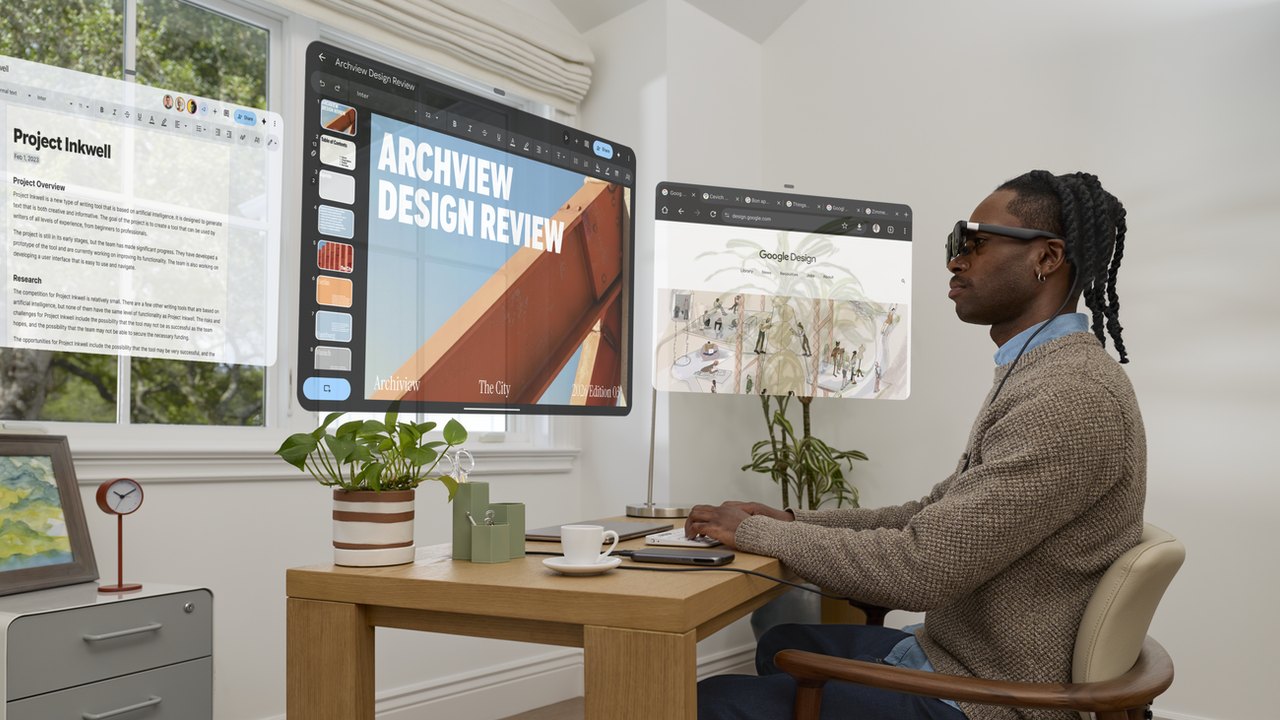 Google and XREAL Launch XREAL AURA: First Android XR Wired Glasses Powered by Gemini
 Hands-on: Google and Samsung’s Android XR glasses focus on design and privacy