A Look Back at Five Unique Phone Charging Ports from the Pre-USB-C Era
· GlobeWire Daily Auto Desk · Source: www.engadget.com
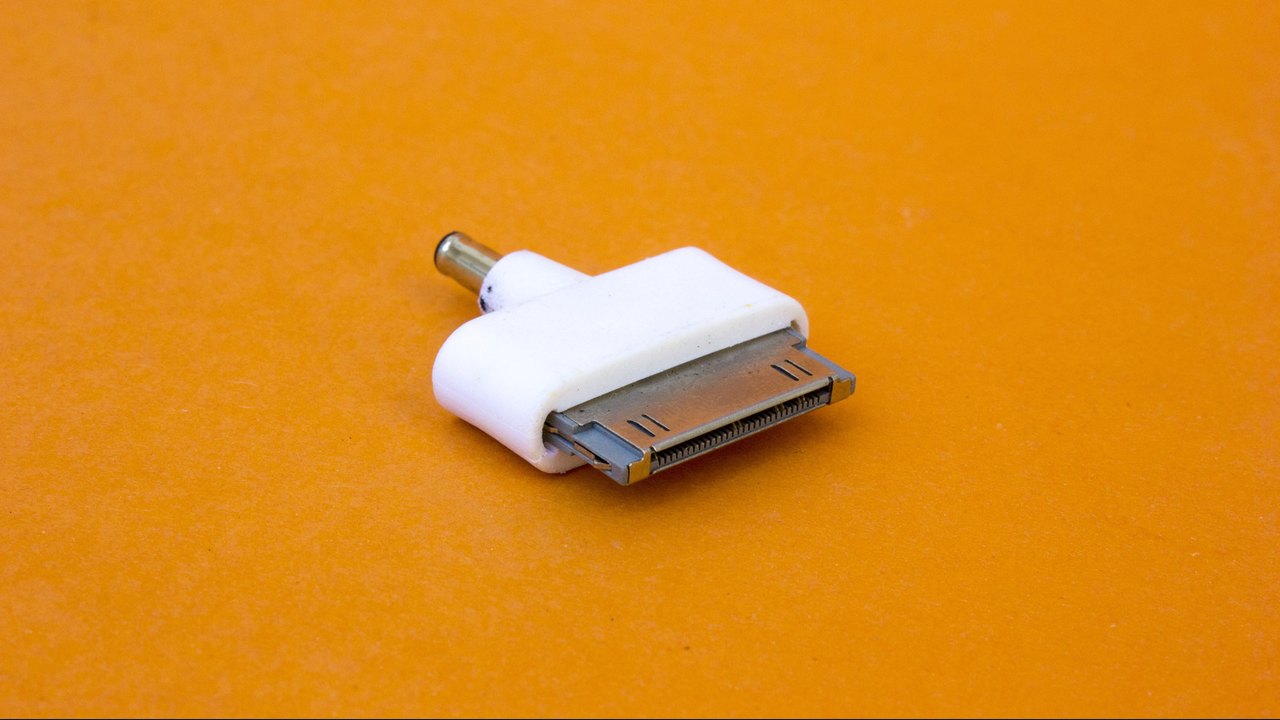
Image: Engadget · Photo source · Resized and letterboxed to 16:9; no AI generation
Before USB-C became the widespread standard for smartphones, the mobile industry featured a variety of proprietary and distinct charging connectors. These older ports often varied by manufacturer, creating a landscape of diverse shapes, sizes, and capabilities before regulations and industry shifts drove standardization.
The Evolution of Mobile Connectors
Prior to universal standards, switching between phone brands typically meant using entirely different chargers and data cables. While this variety contributed to e-waste and less convenience, these older connectors accommodated power, data, and audio before modern wireless file transfers and standard audio jacks became common.
Five Notable Legacy Ports
- Motorola 17-pin CE Bus: Introduced in 2000 on devices like the Motorola V60 and the iTunes-supported Motorola ROKR E1, this large connector managed power, data, and audio simultaneously.
- Nokia Pop-Port: Debuting around 2002 on models such as the Nokia 7210, this 14-pin port supported accessories like cameras and car kits, though charging on many Nokia devices of the era relied on a separate 2.0 mm barrel connector.
- Apple 30-pin Dock Connector: Appearing in 2003 on the third-generation iPod and later used on early iPhones, iPads, and audio accessories, this wide port initially supported FireWire before Apple transitioned to the Lightning connector in 2012.
- Sony Ericsson FastPort: Launched in 2005 on the K750i, this 12-pin connector handled data, charging, and audio using plastic hooks, though these clips were prone to wear over time.
- HTC 11-pin ExtUSB: Featured on early Android devices like the HTC Dream and Windows Mobile phones, this port combined standard Mini-USB compatibility with extra pins for audio and data, though it sometimes omitted a dedicated headphone jack.
Verification and Practical Implications
Readers interested in verifying the history of these legacy connectors can consult technology archives, historical product manuals, or independent mobile museum databases. Understanding the transition from proprietary ports to universal standards highlights how regulatory mandates and consumer demand shaped modern smartphone design.
AI-assisted reporting; source claims are attributed and have not been independently verified.
More to read
 Revisiting Madonna’s 'Erotica' and 'Sex': A Look Back at a Defiant Era
 A Look Back at 25 Years of Xbox Consoles and Hardware Evolution
 Robert Pattinson Officially Cast as James Bond: A Look Back at His Evolving Perspective
 A Look Back at the Original 'A Nightmare on Elm Street' Cast and the 2010 Remake Stars