GTA 6 Features Pontiac Trans Am Lookalike Known as the Red Phoenix
· GlobeWire Daily Auto Desk · Source: www.carscoops.com
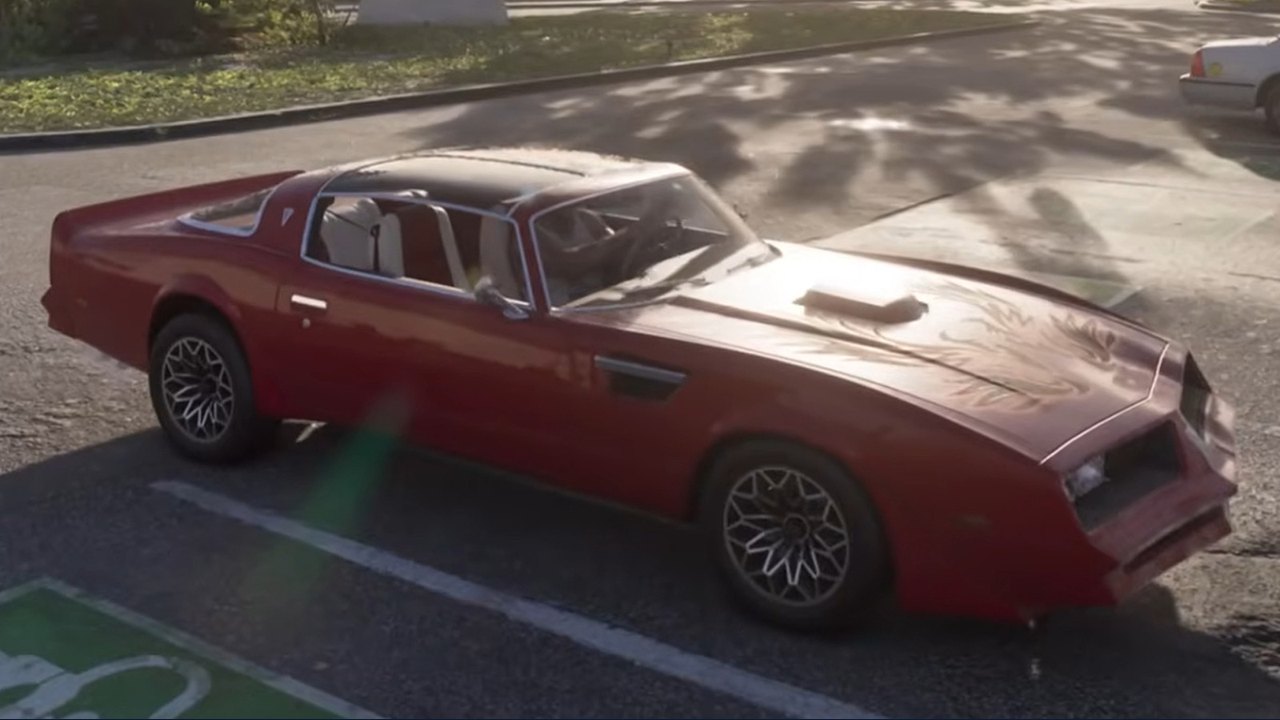
Image: CarScoops · Photo source · Resized and letterboxed to 16:9; no AI generation
Discovering the Phoenix
Grand Theft Auto 6 (GTA 6) continues the franchise tradition of including vehicles inspired by real-world automotive icons. One notable vehicle encountered early in the game is the "Red Phoenix," a muscle car that serves as a virtual homage to the classic Pontiac Firebird Trans Am. Players can encounter this vehicle during the mission titled "Unwanted Attention," where the objective involves retrieving the car from a police impound lot.
How to Access the Vehicle
Tutorials circulating among the gaming community suggest specific steps to acquire the Red Phoenix:
- Entry: Instead of jumping walls, players are encouraged to use a yellow man lift to reach the impound lot roof.
- Infiltration: Once on the premises, players should locate the security office near the main gate to access the electric gate controls.
- Acquisition: After unlocking the area, players must detach the vehicle from the tow hook and perform a hot-wire maneuver to drive it out of the lot.
Design Influences
While Rockstar Games does not officially license real-world automotive designs, the Phoenix draws heavy visual inspiration from late 1970s American muscle cars. Key design elements include:
- Front Fascia: The bumper and headlight configuration closely mirror the 1977-78 Pontiac Firebird.
- Hood Decal: The vehicle features a large gold graphic reminiscent of the iconic "Screaming Chicken" decal found on original Trans Ams.
- Roof Design: The model incorporates a characteristic T-top roof style.
- Rear Styling: The rear end features four circular taillights, which differ from the horizontal lights of the Firebird but bear a resemblance to the 1970-73 Chevrolet Camaro.
Why In-Game Cars Differ from Reality
According to Rockstar Games cofounder Jamie King, the developer opts against securing official vehicle licensing for several strategic reasons. These include the high costs associated with branding rights, the desire to maintain full creative control over game assets, and the historical reluctance of certain automotive manufacturers to have their products associated with themes of criminal activity in video games.
AI-assisted reporting; source claims are attributed and have not been independently verified.
More to read
 Rapper Sexyy Red Responds to Viral GTA 6 Cameo Involving Jason and Lucia
 E.J. Carroll, Actor Known for ‘The Deuce,’ ‘Law & Order’ and ‘GTA V,’ Dies at 66
 GTA 6 Features Music and Property Connections Linked to The Weeknd
 GTA 6 Allegedly Features Collateral-Inspired Mission Reference