Hyundai Ioniq 3 Review: A New Benchmark for Affordable EVs
· GlobeWire Daily Auto Desk · Source: www.techradar.com
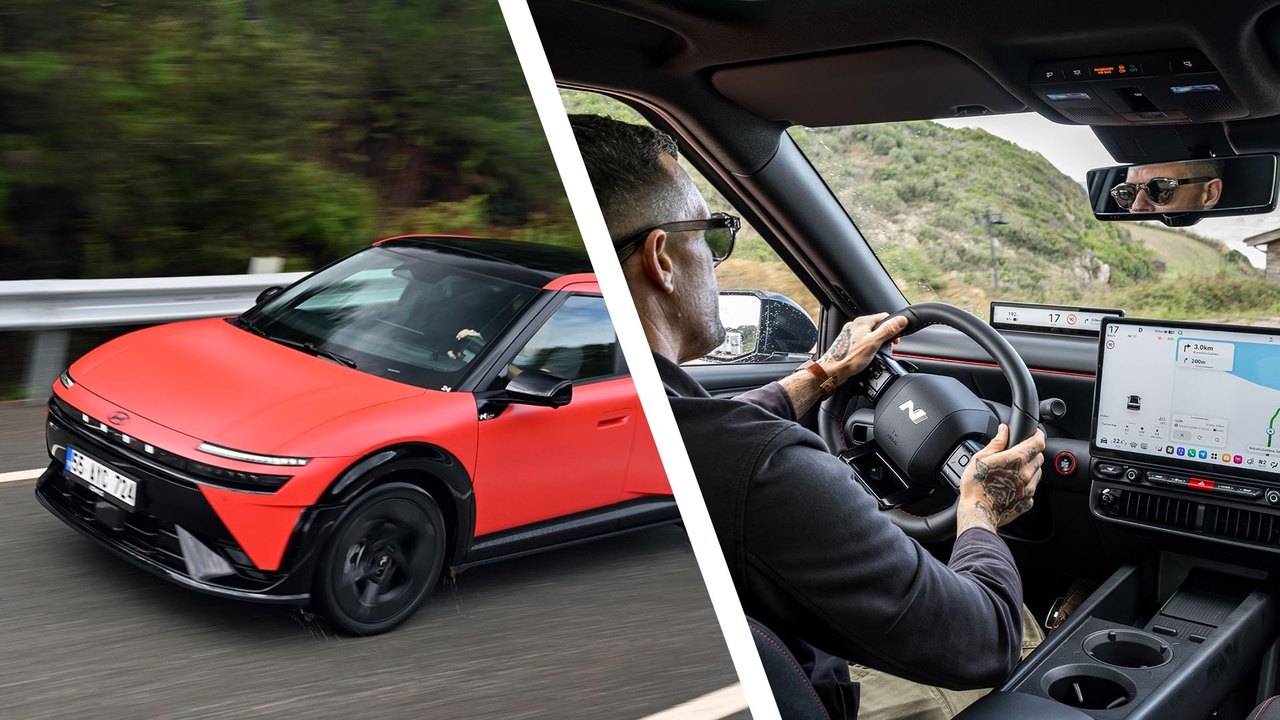
Image: TechRadar · Photo source · Resized and letterboxed to 16:9; no AI generation
Hyundai has expanded its electric vehicle lineup with the new Ioniq 3, a fully electric compact hatchback aimed at European markets. Designed to offer an accessible entry point into electric mobility, the model combines competitive pricing, practical range, and modern in-car technology.
Pricing and Value Proposition
A notable aspect of the Ioniq 3 is its pricing strategy. In the UK, the model starts at £18,495 after factoring in the £3,750 Electric Car Grant. This positions it among the more affordable options in the current electric vehicle market, offering an alternative to ultra-budget offerings while maintaining standard technology and space features.
Technology and Interior
The Ioniq 3 introduces Hyundai’s new Pleos infotainment system, running on the Android Automotive OS. Depending on the trim level, it features either a 12.9-inch or 14.6-inch central touchscreen. The system includes:
- Connected navigation with EV route planning
- Over-the-air software updates
- Access to the Pleos App Market
- Gleo AI, an integrated voice assistant supporting natural-language commands
An optional digital driver display behind the steering wheel is available for drivers who prefer a traditional speed read-out position. Additionally, Hyundai Digital Key 2 allows compatible smartphones and wearable devices to lock, unlock, and start the vehicle.
Design and Practicality
The exterior features Hyundai’s ‘Art of Steel’ design language and an ‘Aero Hatch’ silhouette, targeting a drag coefficient of approximately 0.263 to enhance efficiency. Signature pixel lighting and four central dots referencing the letter ‘H’ in Morse code complete the exterior styling.
Inside, the minimalist cabin includes a flat floor to maximize space, offering a total luggage capacity of 441 liters, divided between a 322-liter trunk and an integrated 119-liter under-floor compartment known as the “Megabox.”
Performance and Range
Built on Hyundai’s K3 Platform with a 400-volt electrical architecture, the Ioniq 3 supports DC fast charging, allowing a 10% to 80% charge in approximately 29 minutes. Two battery options are available:
- Standard Range: 42.2 kWh battery, front-mounted motor producing 107.8 kW (147 hp), and a WLTP range of over 344 km (approx. 214 miles).
- Long Range: 61 kWh battery, front-mounted motor producing 99.5 kW (135 hp), and a WLTP range of over 497 km (approx. 310 miles).
Test drives indicate that real-world efficiency yields around 200+ miles for the Standard variant and roughly 250 miles for the Long Range version under typical conditions. The vehicle is tuned primarily for urban driving, featuring brisk acceleration for city environments.
How to Verify
Prospective buyers can verify exact specifications, regional pricing, grant eligibility, and trim availability by visiting official Hyundai channels or authorized local dealerships.
AI-assisted reporting; source claims are attributed and have not been independently verified.
More to read
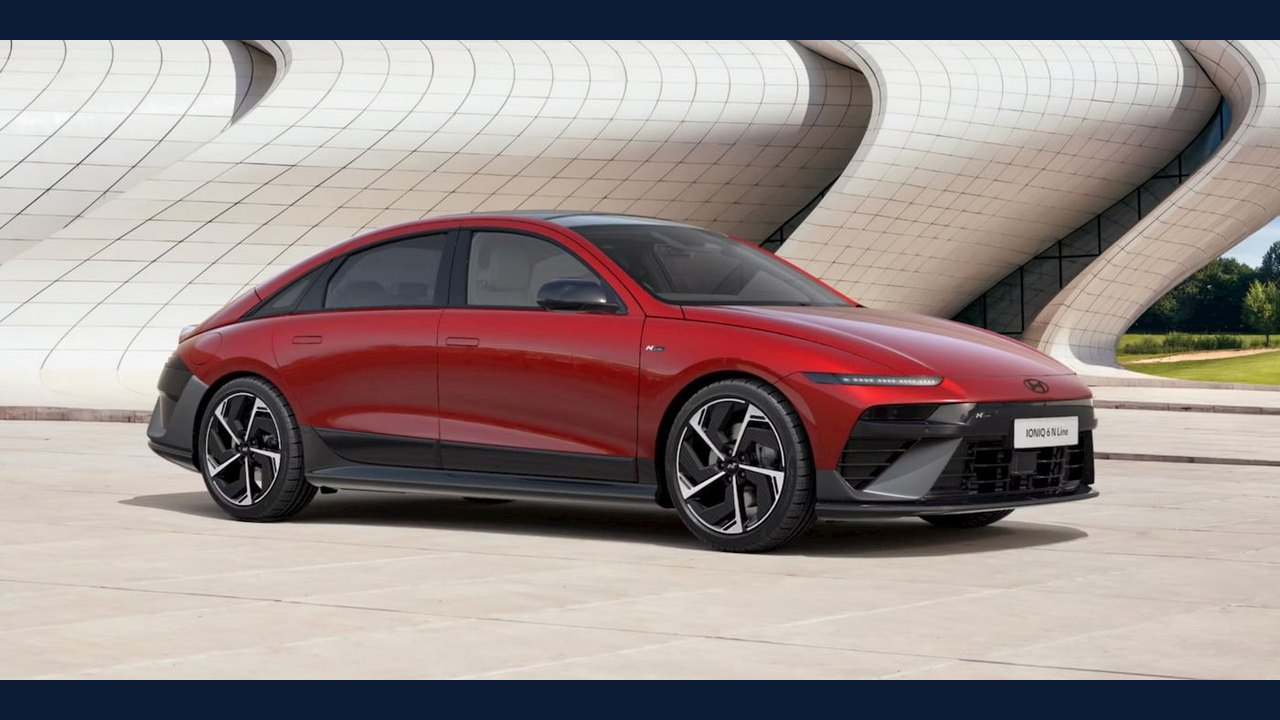 Hyundai Launches New IONIQ 6 in the UK With Up to 422 Miles of Range
 Acer Swift Air 14 Review: An Affordable, Highly Portable Ultrabook Option
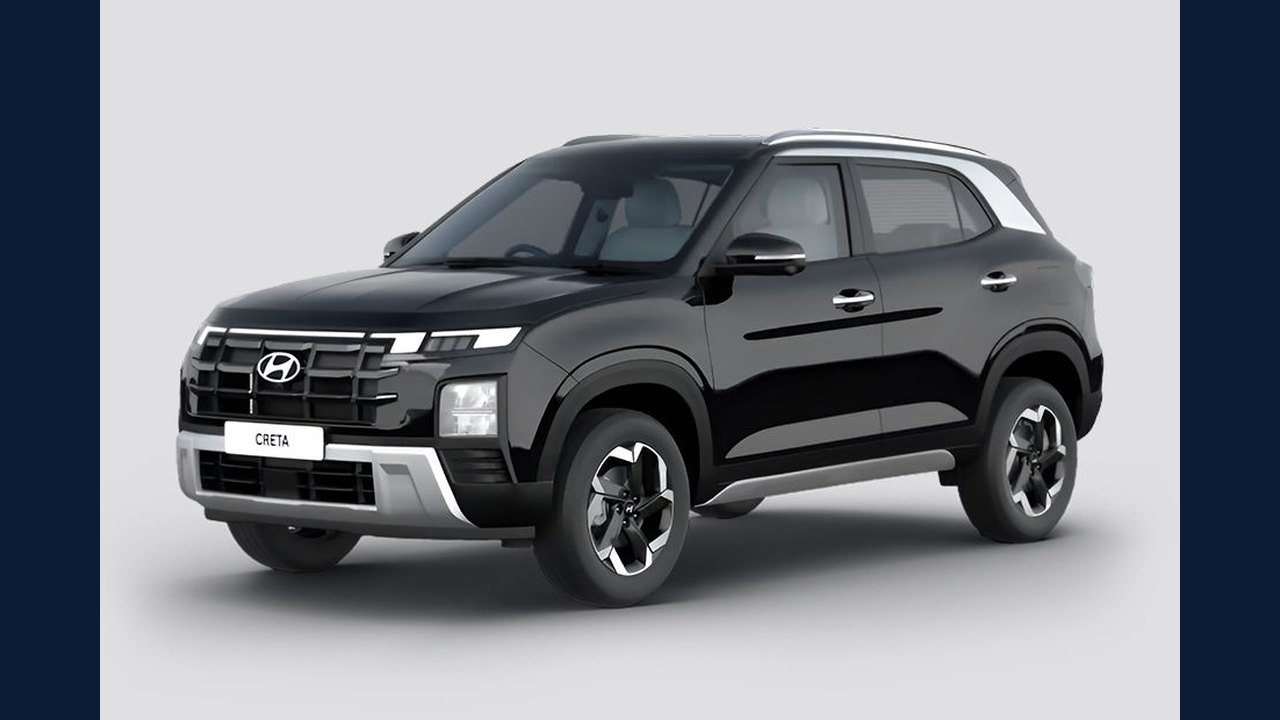 Hyundai Creta: Specifications, variants & buying guide
 Hyundai Bayon Price in India Starts at ₹9,99,900 Ex-Showroom: Variants, Engine, and Features
Related coverage
Related reporting available at publication.
Hyundai Launches New IONIQ 6 in the UK With Up to 422 Miles of RangeAcer Swift Air 14 Review: An Affordable, Highly Portable Ultrabook OptionHyundai Creta: Specifications, variants & buying guideHyundai Bayon Price in India Starts at ₹9,99,900 Ex-Showroom: Variants, Engine, and Features Ducati Sebring: Specifications & buying guide
 Kawasaki Ninja H2: Specifications & buying guide