Automobiles
Understanding the Real Differences Between Budget and Premium Sound Systems
· GlobeWire Daily Editorial Desk · Source: www.engadget.com
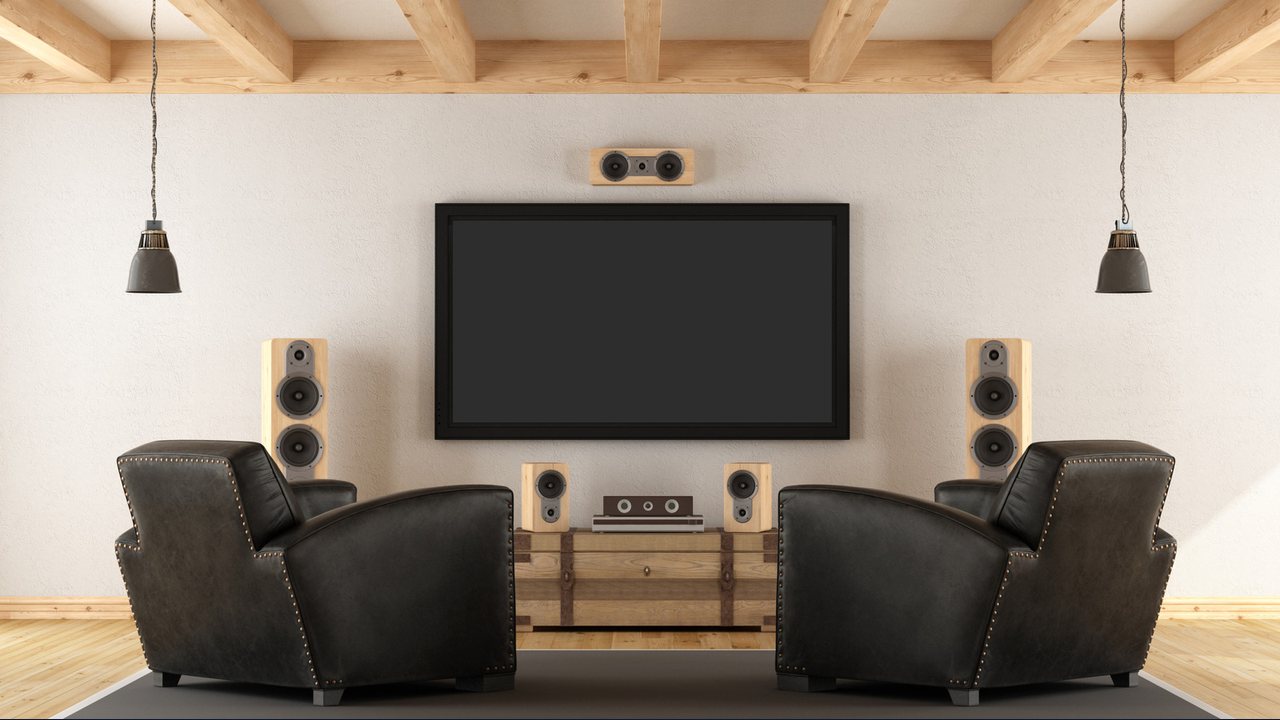
When upgrading television audio, spending more does not automatically guarantee a better experience for every listener. Moving away from built-in TV speakers to an entry-level soundbar generally delivers the most noticeable improvement, while higher-priced options offer diminishing returns based on specific features, room size, and listening habits.
Entry-Level Audio and Basic Soundbars
- Under $100: These stripped-down models offer limited connectivity and cannot reproduce deep bass, but they improve basic dialogue clarity.
- 2.0 and 2.1 Setups: A 2.0 soundbar provides stereo sound, whereas a 2.1 setup adds a separate subwoofer for lower frequencies, such as the Hisense HS2100 priced around $120.
- Sub-$200 Systems: Options like the Hisense HS5100 provide 5.1 channels with dedicated satellite speakers and a subwoofer for physical rear audio, though they lack Dolby Atmos overhead effects.
Mid-Range Features and Surround Sound
- $250 to $499 Range: This tier introduces eARC connectivity, Wi-Fi streaming, app EQ management, and potential Dolby Atmos support via upward-firing drivers.
- Channel Configurations: Models range from 3.1.2 setups like the Hisense AX3120Q and Polk Signa S4 to more robust configurations like the Hisense AX5140Q, which offers 5.1.4 channels with wireless subwoofers and independent channel adjustments.
- Virtual vs. Physical Effects: Devices like the Samsung HW-Q800F utilize side-firing drivers for virtual surround, while the JBL Bar 1000MK2 features detachable battery-powered satellite speakers for physical surround sound on demand.
Dedicated Home Theater Systems and Component Flexibility
- AV Receivers: Unlike soundbars, separate component systems use an AV receiver to power individual speakers distributed around the room.
- Customization: Component setups, such as a Yamaha RX-V4A paired with Klipsch speakers, offer long-term upgrade flexibility and precise control over sound placement.
- Advanced Soundbars: Premium all-in-one solutions like Samsung's HW-Q990D provide expansive 11.1.4 channels, while modular systems like LG's Dolby Atmos FlexConnect offer flexible speaker placement without traditional wiring.
Evaluating Sound Quality and Practical Limits
- Frequency Response: More capable speakers maintain a balanced frequency response for natural sound reproduction and handle higher volumes without distortion.
- Room Acoustics: Environment factors like walls, furniture, and seating position heavily influence audio performance, meaning physical repositioning can sometimes improve sound before purchasing new hardware.
- Finding the Right Budget: Spending under $200 suits basic TV and dialogue needs in smaller rooms, while $250 to $500 caters to movie enthusiasts. Investments above $500 are best reserved for larger spaces, dedicated home theaters, or advanced gaming setups.
Share this article
Read the original source What are the actual differences between cheap and expensive sound systems?