Why GTA 6 Continues to Use Fictional Cars Despite Rockstar's Massive Wealth
· GlobeWire Daily Auto Desk · Source: www.carscoops.com
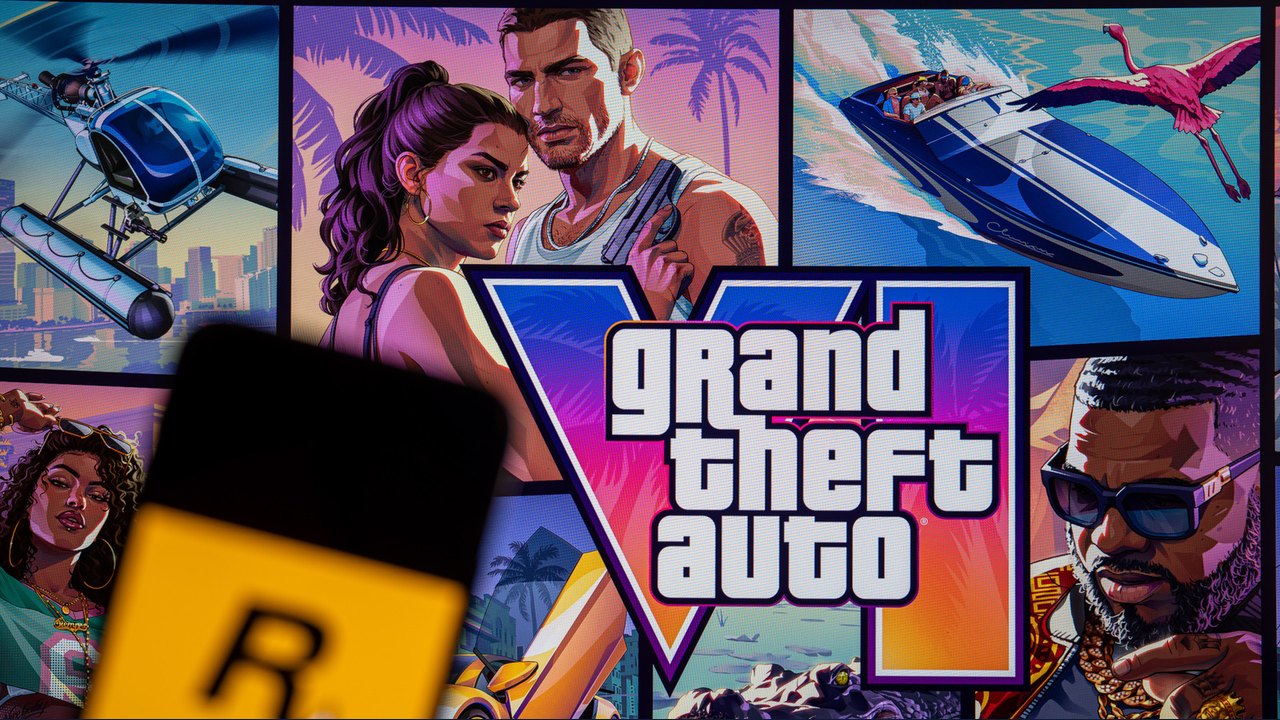
Image: CarScoops · Photo source · Resized and letterboxed to 16:9; no AI generation
As the anticipated global rollout of Grand Theft Auto VI approaches, industry discussions have reemerged regarding why the franchise continues to use fictional vehicle makes and models instead of licensed, real-life cars. Reports indicate that developer Rockstar Games possesses substantial financial resources, with Grand Theft Auto V generating $1 billion in its first three days and GTA VI securing over $1.5 billion in pre-orders. Despite this wealth, industry figures point to several creative, financial, and brand-protection factors explaining the absence of real automotive brands.
Financial and Logistical Hurdles
According to comments from Rockstar cofounder Jamie King during an interview with Killaz, securing vehicle licensing involves significant expenses and requires a tremendous amount of effort and work from both sides.
- Not a Racing Simulator: Unlike dedicated racing franchises such as Gran Turismo or Forza, the Grand Theft Auto series is not designed as a racing simulator.
- Minor Role for Vehicles: While cars are a core component of the gameplay experience, they do not dominate the overall narrative or mechanics.
- Development Focus: Detailed manufacturer collaborations demand extensive time that does not align with Rockstar's primary development goals.
Creative Control and Satire
Another primary motivation behind avoiding real-life car brands is Rockstar's desire to maintain total creative autonomy.
- Satirical Tone: The Grand Theft Auto series has historically relied on a satirical perspective of American culture.
- Independence: King noted that the developer prefers to keep the content original and avoids being beholden to external entities.
- Parody Vehicles: Vehicles in the game closely mirror real-world counterparts—such as the Coquette D10, Tempesta, and Emerus resembling the Chevy Corvette, Lamborghini Huracan, and McLaren Senna—without requiring official branding.
Brand Protection and Corporate Image
Automotive manufacturers invest heavily in specific marketing narratives and corporate image protection. Allowing virtual avatars to commit crimes, engage in armed robberies, or cause virtual destruction using licensed vehicles like Hondas or Toyotas conflicts with the polished image most manufacturers wish to project.
Practical Implications and Verification
Gamers and industry observers seeking to verify these details can review interviews featuring former Rockstar executives or consult official announcements directly from Rockstar Games. Players should rely on official publisher statements rather than speculative reporting regarding future content updates.
AI-assisted reporting; source claims are attributed and have not been independently verified.
More to read
 GTA 6 Omits Prostitute Interaction Feature for Narrative Reasons, Rockstar Explains
 Rockstar Games Employees Vote on Union Recognition Amid GTA VI Launch
 Rockstar President Sam Houser Marks GTA 6 Release with Rare Statement
 Rockstar Confirms GTA 6 Will Not Feature 60fps on PS5 Pro