Why Massive Concrete Walls Line Highways: Purpose, Materials, and Noise Reduction
· GlobeWire Daily Editorial Desk · Source: www.carscoops.com
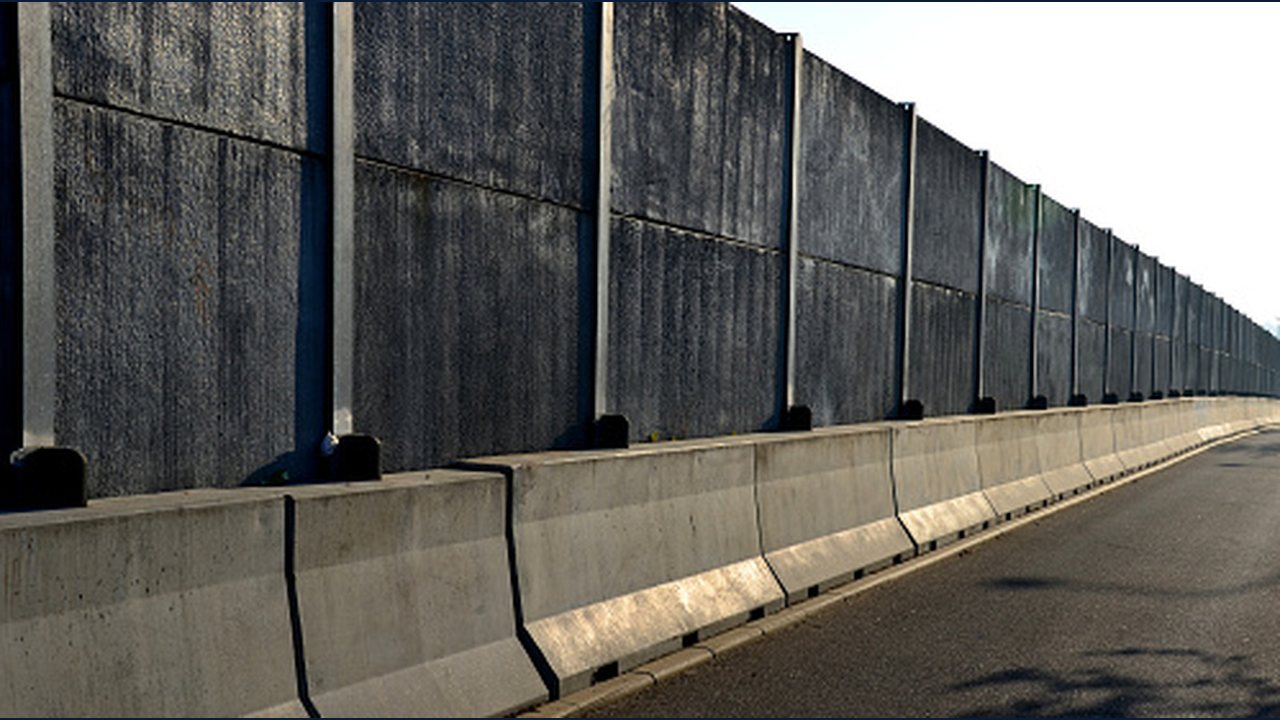
Highway noise barriers serve a vital purpose in populated areas, primarily protecting nearby residents from the constant roar of traffic engines and tire noise.
According to available reports, highway noise barriers are engineered to reduce the impact of traffic sounds on communities living near busy roads. While cabins of vehicles have their own insulation, people living or working outside require external solutions to maintain comfort, conversation, and sleep.
How Highway Noise Barriers Work
- Sound Blocking: Engineers use rigid, dense materials without holes or spaces to effectively block and suppress unwanted sounds.
- Height and Efficiency: According to the Federal Highway Administration, a barrier blocking the direct line of sight achieves a 5 dB noise reduction. Each additional meter of height reduces perceived loudness by an extra 1.5 dB, though walls typically stay under 25 feet to avoid structural challenges and high costs.
- Proximity Impact: Barriers generally reduce perceived noise for homes and apartments situated within 200 feet of the roadway.
Materials and Additional Functions
While concrete is common, barriers can also be constructed from earth, wood, metal, or glass. Earth is noted as the most effective option, though it demands significantly more space and material volume.
Beyond noise reduction, these walls serve secondary safety and environmental functions:
- Preventing wildlife from wandering onto active roadways.
- Protecting people and property from debris.
- Screening traffic views in sensitive or scenic areas.
Historical Data and Costs
A Federal Highway Administration study from 2010 reported approximately 2,748 miles of highway noise barriers in the United States, costing an estimated $5.44 billion at the time (projected to be higher today due to subsequent construction over the past 16 years).
To verify original transportation engineering announcements, readers can consult official Federal Highway Administration publications and state department of transportation resources.