Canada Outlines Consumer-Driven Banking Framework to Secure Financial Data Sharing
· GlobeWire Daily Editorial Desk · Source: www.canada.ca
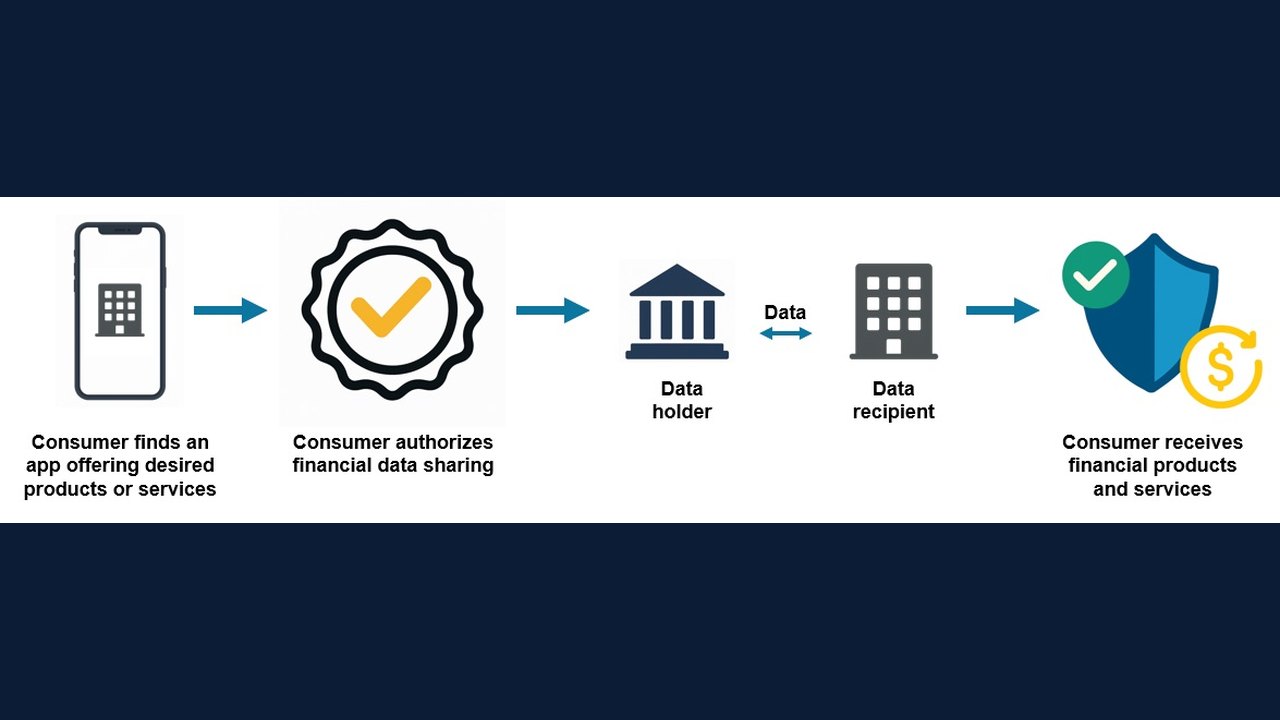
Image: Department of Finance Canada · Photo source · Resized and letterboxed to 16:9; no AI generation
Canada has outlined its Consumer-Driven Banking Framework, also known as open banking, designed to allow consumers and small businesses to securely transfer financial data through application programming interfaces (APIs) to approved service providers. The government reported that an estimated nine million Canadians currently share confidential banking credentials through screen-scraping, a practice that introduces security, liability, and privacy risks.
Policy Objectives and Governance
The framework is guided by three main public policy objectives:
- Safety and Soundness of the financial sector.
- Protecting Canadians' Financial Well-Being and expanding consumer choice.
- Supporting Economic Growth and International Competitiveness.
To oversee the system, the government intends to expand the mandate of the Financial Consumer Agency of Canada (FCAC) to include supervision, administration, and enforcement of the framework, alongside the creation of a Senior Deputy Commissioner of Consumer-Driven Banking. The framework will operate on a cost-recovery model.
Scope and Phased Implementation
The implementation will follow a phased approach, initially mandating participation for Canada's largest retail banks based on retail volume thresholds. Other federally regulated financial institutions, credit unions, and Crown corporations acting as banks can opt in. The initial data scope includes chequing and savings accounts, online portal investment products, and lending products such as mortgages and credit cards. Data enhanced to offer significant additional value is excluded, and existing rules on insurance business information remain unchanged.
Accreditation, Common Rules, and Security
Entities wishing to collect data must complete a formal accreditation process managed by the FCAC, which will maintain a public registry of authorized participants. The framework establishes common rules for privacy, liability, and security:
- Privacy: Participants must obtain express consent, provide consent dashboards, allow users to revoke access, and reconfirm consent every 12 months.
- Liability: Liability follows the data, resting with the party at fault. Consumers will not be held liable for financial losses incurred from sharing data within the framework.
- Security: Participants must meet minimum information security standards and undergo surveillance audits.
Next Steps and Verification
The government announced intentions to introduce foundational legislation in spring covering governance, scope, and technical standards, with remaining elements scheduled for the fall. Readers can verify original announcements and updates through official Department of Finance Canada publications.
AI-assisted reporting; source claims are attributed and have not been independently verified.
More to read
 Canada Outlines Policy Framework for Consumer-Driven Banking to Enhance Security
 Canada Proposes Legislative Amendments for Consumer-Driven Banking Framework in Budget 2025
 AppLovin Outlines Growth Strategy Driven by AXON Platform and Consumer Ad Expansion
 Orion Financial Launches the Ozone Mobile Branch to Expand Mid-South Banking Access