Dilmah Chairman Warns Deep Discounting Threatens Ethical Food Production and Producer Livelihoods
· GlobeWire Daily Editorial Desk
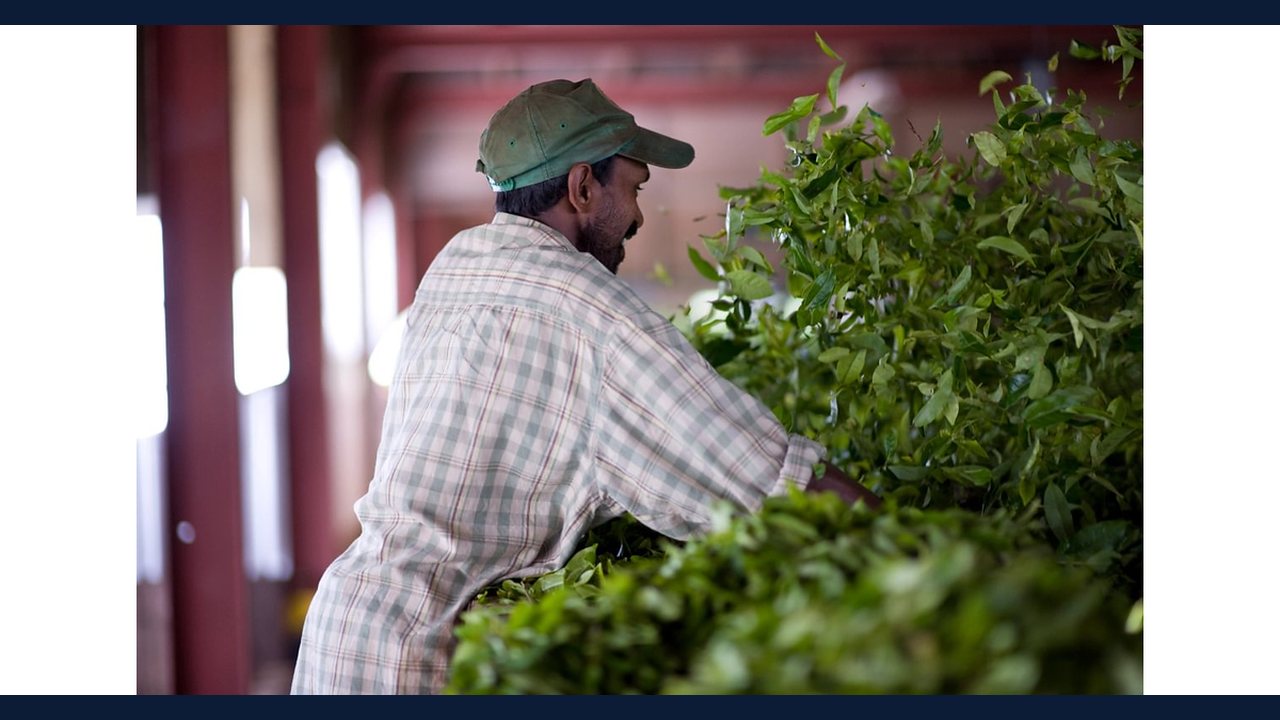
Dilhan C. Fernando, Chairman of Dilmah Tea, warned in a November 2026 opinion piece that aggressive retail discounting and rising costs undermine ethical sourcing, environmental protection, and the financial stability of agricultural producers.
Writing in his article titled "The Fiction of the Deal: Why Deep Discounting Makes Ethical, Sustainable Food Unaffordable to Produce," Fernando cautioned that promotional price cuts exert severe downward pressure throughout the supply chain. According to the statements, the ultimate burden of these discounts is typically absorbed by farm workers, rural communities, and natural ecosystems rather than major retailers.
Global Tea Industry Pressures
Fernando highlighted significant structural imbalances within the global tea sector, which supports approximately 13 million people, with smallholders comprising roughly two-thirds of that total. Citing industry data referenced in his analysis, brands and retailers capture nearly 94 percent of the retail price for a package of black tea in the United States, whereas less than 1 percent reaches plantation workers. These economic margins face additional strain from escalating operating costs and climate change adaptation.
Consumer Contradictions and Policy Calls
- Consumer Expectations: Frequent promotional pricing conditions shoppers to expect low prices, conflicting with stated consumer preferences for sustainably produced goods.
- Externalized Costs: Deep discounts force producers to externalize environmental and social expenses, undermining impact finance initiatives.
- Policy Recommendations: Fernando urged policymakers to integrate true-cost accounting into trade, public procurement, and competition frameworks to protect future food security.
The chairman concluded that promotional models prioritizing low retail prices over ethical production risk destabilizing the agricultural systems required to maintain rural livelihoods, watershed preservation, and global food resilience.