From Guangdong to America: How China-Made Toys Reach the US Before Christmas
· GlobeWire Daily Business Desk · Source: www.bbc.co.uk
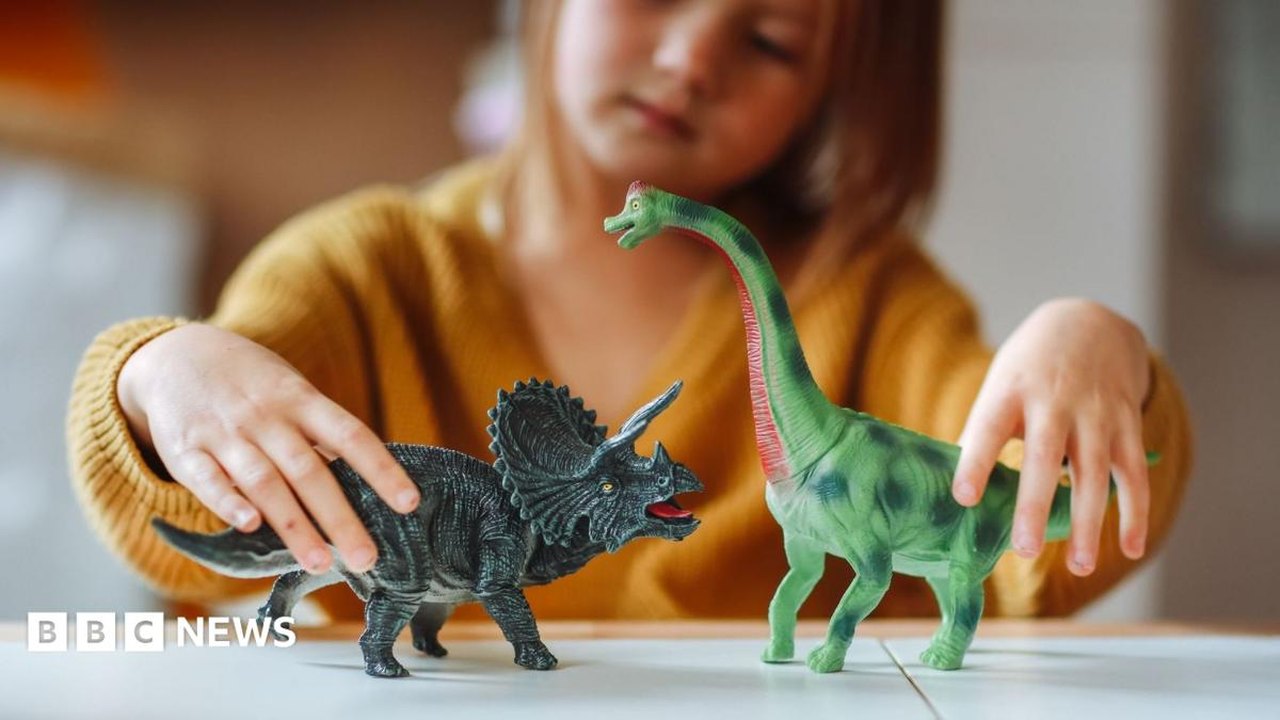
Image: BBC News · Photo source · Resized and letterboxed to 16:9; no AI generation
As the Christmas shopping season approaches, US government figures and industry reports highlight the complex journey of toys moving from Chinese factories to American store shelves. China remains the world's largest toy manufacturer, supplying nearly 8. in 10 toys (78.3%) imported into the US in 2024, valued at $9.8bn last year.
Reports indicate that the process from initial concept to a finished toy typically spans one to two years, driven largely by design iterations from American clients. Once finalized, production runs take about three months. According to industry representatives, Chinese factories generally receive roughly 20% of a toy's retail price—amounting to $6 on a $30 toy—which must cover materials, labor, and profit margins typically ranging from 3% to 10%.
Logistics and Tariffs
- Transport: Finished toys are typically trucked to ports such as Shenzhen. Cargo transit to the US west coast takes about 15 days, while shipments to the east coast take 25 to 30 days, adding roughly 10% to the manufacturing cost.
- Tariffs: Imported toys are subject to US customs tariffs. While recent leadership talks have recommended lower tariffs, no new rates or implementation dates have been finalized, and a public consultation is required. The current basic rate stands at 12.5% (applied to the manufacturing price rather than the retail price).
Industry stakeholders note that the majority of revenue from a $30 retail toy—roughly $22.65, or 75.5%—remains within the United States, distributed among domestic transport companies, toy firms, and retailers.
Practical Implications and Verification
Consumers and businesses can review official trade data from the US government and announcements from agencies like US Customs and Border Protection to verify import statistics and tariff regulations. Industry associations such as the Toys Manufacturers' Association of Hong Kong offer further insights into manufacturing trends.
AI-assisted reporting; source claims are attributed and have not been independently verified.
More to read
 AAA Was Founded In 1902 Before America's Mass-Market Car Boom
 UK and EU Reach Post-Brexit Reset Deal in Brussels, Though Tuition Fee Talks Continue
 Why Are More Roofs Not Made of Solar Tiles?
 Nvidia Scandal and US China Policy Pressure White House