From High Street to Catwalk: The Growing Trend of Visible Clothing Mending
· GlobeWire Daily Business Desk · Source: www.bbc.co.uk
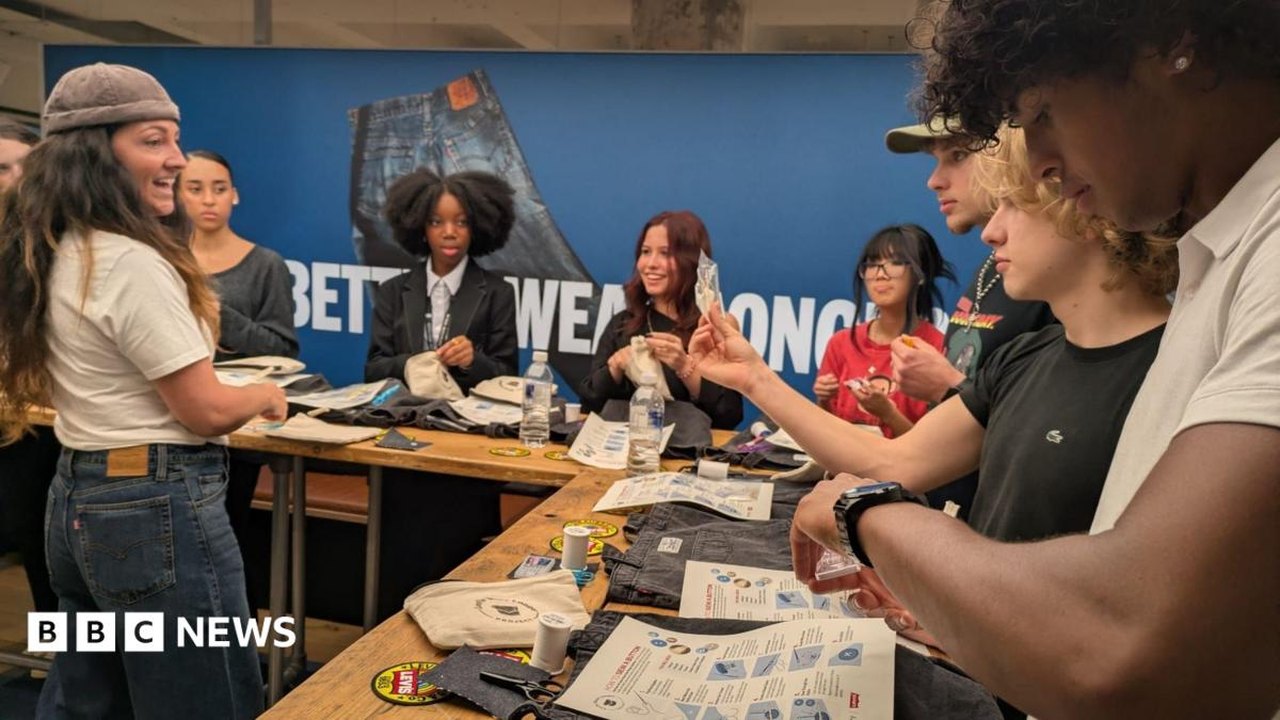
Image: BBC News · Photo source · Resized and letterboxed to 16:9; no AI generation
A growing trend known as "visible mending" is gaining traction among hobbyists, fashion brands, and designers, shifting garment repair from a necessity of thrift to an intentional style choice.
The Rise of Visible Mending
What was once done primarily to save money is now being celebrated as a creative outlet and a rejection of throwaway fast fashion. Crafters and workshop participants are using techniques like needle-felting, Boro, and Sashiko to turn tears, stains, and moth holes into decorative features rather than hiding them.
- Creative expression: Crafters use geometric patterns, contrasting threads, and felted animals to cover imperfections.
- Cultural backlash: Proponents view the trend as a pushback against the pollution, carbon emissions, and overproduction of the fashion industry.
- Generational divide: While some younger participants prefer traditional, invisible mending to keep garments looking pristine, others embrace the distinctive look of creative repairs.
Retailer and Brand Involvement
Retailers ranging from high-street chains to luxury brands are responding to the movement through workshops, in-house repair services, and the sale of pre-patched items. Companies like Uniqlo, Primark, Toast, Finisterre, and Levi's have introduced repair initiatives or educational programs to help customers extend the life of their clothing.
- Uniqlo and Levi's: Offering workshops and services focusing on traditional and decorative techniques, such as Sashiko.
- Toast: Providing free repair services, with "renewed" pieces commanding higher prices for their unique character.
- Finisterre and Toast: Reporting significant customer demand for eye-catching, customized repairs.
While some brands sell pre-patched garments straight off the rack, others focus on practical ways for consumers to care for the clothes they already own. Observers note that verifying these initiatives typically involves checking official brand announcements and sustainability reports.
AI-assisted reporting; source claims are attributed and have not been independently verified.
More to read
 Aberdeen's Union Street Tests Hands-On Approach to High Street Renewal
 Van Life in India: Exploring the Growing Trend of Travel with Caravans
 High-Street Fashion Embraces Luxury Strategies and AI Styling Tools to Win Back Shoppers
 Jensen Huang’s Influence Highlights Growing Authoritarian Tendencies in the U.S. Economy