Gullah Geechee Community Wins Historic Referendum to Block Large‑Scale Development on Sapelo Island
· GlobeWire Daily Business Desk · Source: www.theguardian.com
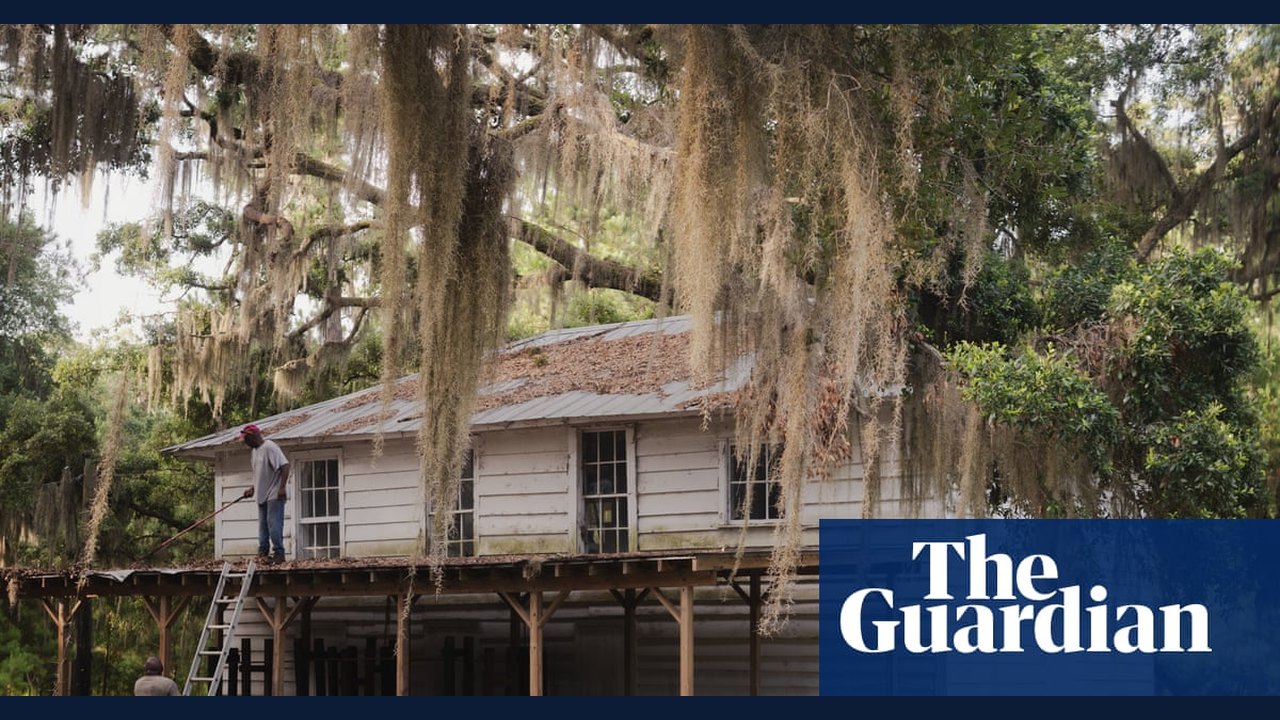
Image: the Guardian · Photo source · Resized and letterboxed to 16:9; no AI generation
Summary
A citizen‑initiated referendum in McIntosh County, Georgia, saw nearly 85 % of voters reject a zoning amendment that would have more than doubled the allowable residential square footage on Hogg Hummock, the last remaining Gullah Geechee sea‑island community in the state. The vote, the second citizen referendum in Georgia history, keeps the door closed on large vacation‑home projects that residents say would raise taxes, threaten cultural heritage and stress the island’s fragile ecosystem.
Background
- Location: Sapelo Island, off the coast of southern Georgia; the community of Hogg Hummock is home to the state’s only remaining Gullah Geechee sea‑island settlement.
- Population: About 30‑40 residents remain, down from roughly 500 in the early 20th century.
- Issue: A proposed zoning amendment would raise the maximum residential footprint from 1,400 sq ft to 3,000 sq ft, enabling larger vacation homes.
- Legal path: More than 2,000 registered voters signed petitions, meeting the constitutional signature threshold for a county‑wide referendum. A September Georgia Supreme Court decision cleared the way for the vote.
Results
- Turnout: 1,869 voters cast ballots during a two‑week early‑voting period and on election day.
- Outcome: Approximately 85 % voted against the amendment.
- Immediate effect: County attorney Adam Poppell warned the result leaves Hogg Hummock with “no zoning,” meaning the county could still interpret the rules in ways that allow development.
Voices from the Community
- Ire Gene Grovner (70), lifelong resident, said, “I ain’t planning on goin’ nowhere.”
- Bobby Gene Grovner, renovating his home for his daughters, warned that developers “with a pocketful of money” won’t succeed.
- Nick Macías, assistant operations director at the University of Georgia Marine Institute, stressed the island’s ecological importance and the risk of a larger carbon footprint.
- Kathleen Russell, editor of the *Darien News*, noted that the vote could inspire other Georgia counties to use referendums to challenge zoning.
Practical Implications
- Tax pressure: Larger homes would increase property values and taxes, potentially pricing out the remaining Gullah Geechee families.
- Cultural preservation: Maintaining the small‑scale, family‑owned homes is seen as essential to keeping the community’s language, traditions and land‑based knowledge alive.
- Environmental impact: Expanded development could damage marsh grass, a keystone species, and increase runoff and carbon emissions.
How to Verify
- Official results are posted on the McIntosh County Board of Elections website.
- The Georgia Supreme Court’s September decision (case No. 2026‑SC‑09) is available through the state’s judicial portal.
- The Southern Poverty Law Center’s lawsuit filing (filed Jan 2026) provides the legal arguments against the amendment.
Next Steps
- Residents, represented by attorney Dana Braun, say they will file another lawsuit if the county proceeds with a “no‑zoning” interpretation.
- Community members continue to monitor county planning meetings and may seek state legislative protection for historic Gullah Geechee lands.
--- *The article is based on reporting by *The Guardian* (Jan 22 2026). No new quotes or data have been added beyond the source.*
AI-assisted reporting; source claims are attributed and have not been independently verified.
More to read
 London’s Swiss Cottage School Wins Global Recognition for Community Impact
 Hacktivist Group Anonymous Claims Large-Scale Cyberattack on Russian Entities
 Bihar STF Launches Large-Scale Operations Against Cyber Fraud Networks in Patna
 Mary Peltola Wins Historic US Senate Race, Becoming First Alaska Native in the Chamber