Haryana Electricity Regulator Withdraws Approval for Eleven Power’s Parallel Distribution Licence in Gurugram and Nuh
· GlobeWire Daily Business Desk · Source: www.business-standard.com
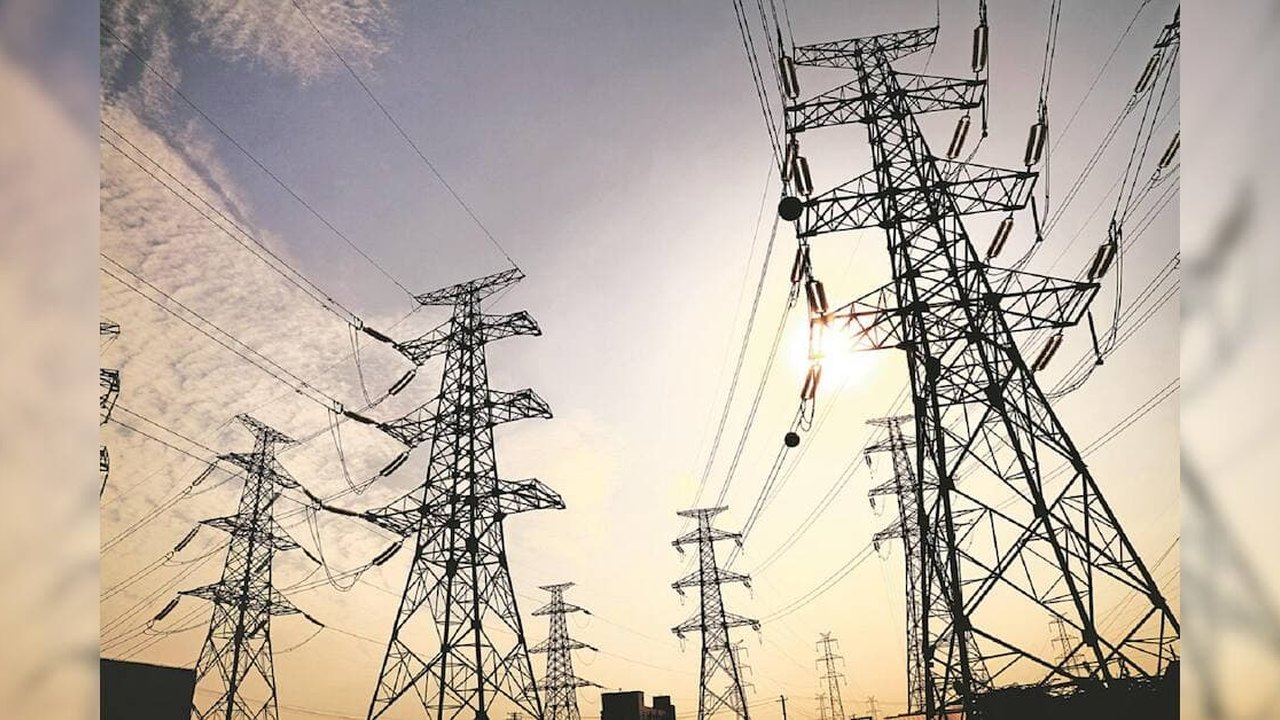
Image: Business Standard — Creative Commons
Decision by HERC
The Haryana Electricity Regulatory Commission (HERC) has formally halted the issuance of a parallel distribution licence that had been granted to Eleven Power Private Limited (EPPL) for the Gurugram and Nuh revenue districts. The reversal follows a letter from the Haryana state government expressing “grave concern” about the impact of the licence on consumers and the public interest. In its order dated October 30, 2024, HERC noted that the government’s direction leaves no scope for further adjudication and therefore the licence will not be created, operationalised, or effectuated anywhere in the state.
Timeline of the licence proposal
- October 19, 2024 – HERC initially approved a 25‑year parallel distribution licence for EPPL covering Gurugram and Nuh.
- October 26, 2024 – The Commissioner and Secretary to the Government of Haryana sent a communication to HERC reiterating the state’s instruction to stop any parallel licence in Haryana.
- October 30, 2024 – HERC issued its final order, rejecting EPPL’s request for a hearing and confirming that the licence will not proceed.
What is a parallel distribution licence?
Under the Electricity Act, 2003, a parallel licence allows a private entity to supply electricity in a region that already has a government‑run distribution utility. The intent is to introduce competition, improve service quality, and attract private investment. In Haryana, the incumbent utility is the Dakshin Haryana Bijli Vitaran Nigam (DHBVN), which has historically held a monopoly over the distribution network.
Industry context and recent trends
The Haryana decision arrives amid a broader national experiment with parallel licensing. Recent applications include:
- Tata Power, Adani Electricity, and Torrent Power seeking licences in Maharashtra, Karnataka, Chhattisgarh, and Goa.
- The Andhra Pradesh government granting Google a deemed distribution licence for a 1‑GW AI data‑centre hub near Visakhapatnam.
These moves reflect a policy push to liberalise electricity distribution, but they have also sparked resistance from existing utilities and their workforces.
EPPL’s original proposal
EPPL had pledged to:
- Supply electricity on a non‑discriminatory basis to all consumer categories.
- Provide new connections in line with the Electricity Supply Code.
- Invest ₹4,717 crore over five years (phased between FY 2026‑27 and FY 2030‑31).
- Begin consumer supply from FY 2027‑28, with network construction spread across five divisions: Gurugram Suburban, Gurugram City, Manesar, Sohna, and Nuh.
If implemented, the licence would have given more than 830,000 electricity consumers in the two districts a choice between DHBVN and EPPL.
Practical implications for consumers and the state
Confirmed outcomes
- No new private distributor will operate in Gurugram or Nuh for the foreseeable future.
- DHBVN remains the sole distribution authority, preserving the existing tariff and service framework.
- EPPL’s planned capital infusion of ₹4,717 crore will not materialise in the state, potentially affecting local construction and equipment supply chains.
Uncertainties and open questions
- The state government has not disclosed whether it will revisit parallel licensing in other districts or at a later date.
- It is unclear how the decision will affect ongoing negotiations or applications by other private players in neighbouring states.
- The long‑term impact on electricity reliability, pricing, and investment attraction in Haryana remains speculative.
How readers can verify the information
The full text of HERC’s order and the accompanying government letter are available on the Business Standard website. Interested parties can review the official announcement here: [Business Standard – HERC stays parallel distribution licence order](https://www.business-standard.com/industry/news/haryana-electricity-regulator-stays-parallel-distribution-licence-order-126102801846_1.html).
Comparison with other states
- Maharashtra & Karnataka: Parallel licences are progressing, with private firms already supplying power in select circles.
- Andhra Pradesh: The state has taken a sector‑specific approach, granting a licence to a single corporate client (Google) for a data‑centre hub rather than a broad consumer market.
- Haryana: The reversal underscores the political sensitivity of disrupting an entrenched public utility, especially where employee protests have been prominent.
What remains to be seen
The Haryana government’s stance suggests a cautious approach to electricity market liberalisation. Future policy shifts will likely depend on:
- Consumer sentiment – whether demand for competition outweighs concerns about job security in public utilities.
- Financial health of DHBVN – if the state utility faces fiscal stress, the government may reconsider private participation.
- National regulatory guidance – any central‑government directives on parallel licensing could influence state decisions.
Stakeholders, including consumers, investors, and industry observers, should monitor official releases from HERC and the Haryana government for any updates on parallel licensing policy.
--- This article is based solely on verified information from the Business Standard report dated October 30 2024. No additional sources were consulted.
AI-assisted reporting; source claims are attributed and have not been independently verified.
More to read
 Global Backlash Grows Against Rapid Expansion of AI Data Centres
 Jio Platforms Sets Stage for October 28 Listing Following ₹10.3 Lakh Crore IPO Valuation
 Home Loan Strategies: How Rising Interest Rates Affect EMI and Tenure Choices
 Audi Announces $4bn US Factory in Georgia as Parent Volkswagen Faces Domestic Job Cuts
Trending on GlobeWire Daily
Selected from recent coverage and related topics; not live search rankings.
 What the Science Actually Says About Seed Oils and Human Health
 Weekend Alcohol Consumption and Women's Health: Examining the Science Behind Breast Cancer Risks
 ARCI Recruitment 2026: Applications Open for 29 Technical, Administrative, and Scientific Posts
 France Announces Overhaul of University Admissions Platform and Boosts Education Funding Amid Student Protests
 Kendriya Vidyalaya and Navodaya Vidyalaya Recruitment 2025: 14,967 Vacancies Open
 Karnataka School Education Department Extends Online Application Deadline for 2026 Teacher Recruitment to 16 November