Judge Gives Final Approval to Bayer's $7.25bn Roundup Cancer Settlement
· GlobeWire Daily Editorial Desk · Source: www.theguardian.com
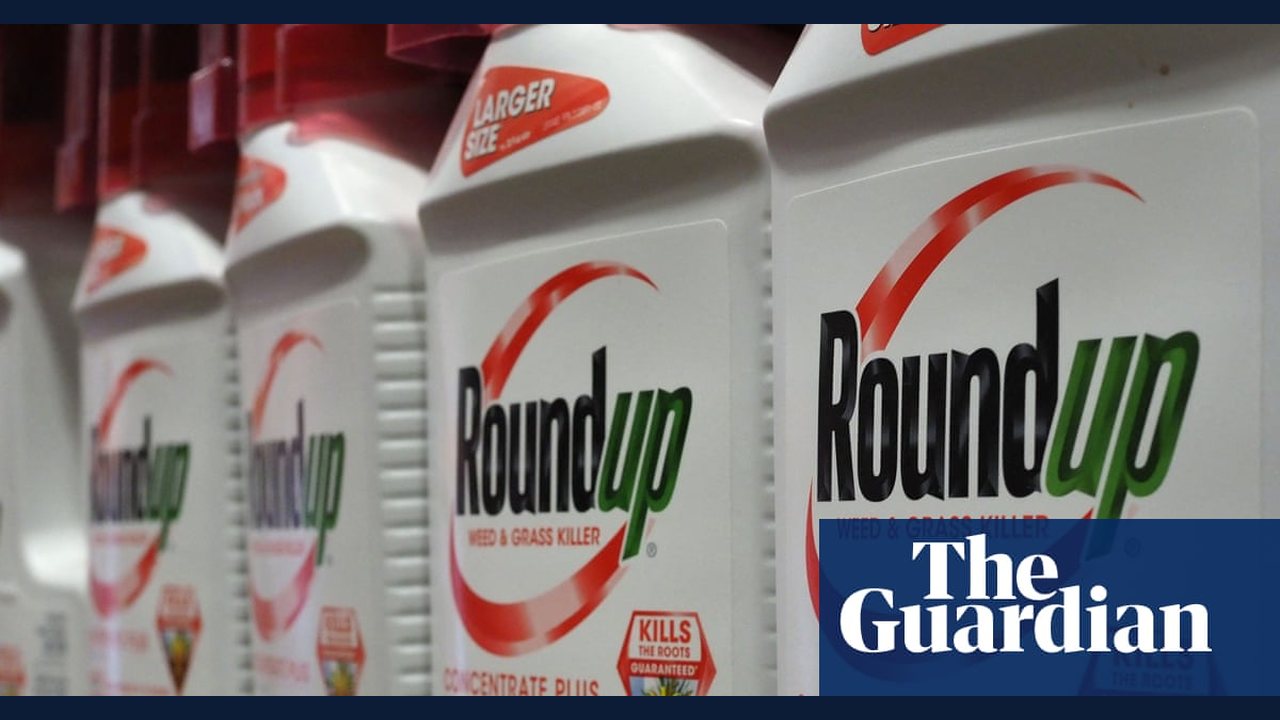
A Missouri state court judge has granted final approval to Bayer's $7.25bn settlement of lawsuits alleging that its Roundup weedkiller causes cancer, a ruling the German company calls a decisive step in resolving litigation that has weighed on it for nearly a decade.
What the judge decided
Judge Timothy Boyer of a state court in St Louis, Missouri, found the settlement "fair, reasonable and adequate," according to reports of the ruling. He overruled objections arguing that payouts to individual cancer victims were too low, given that claimants who settled earlier received more. The judge also said that delaying payouts could force victims — including some whose cancer is terminal — to wait "an indeterminate number of years" to be paid.
The scale of the litigation
- Bayer had faced approximately 65,000 claims in US state and federal courts from people who said they developed cancer after using Roundup at home or at work.
- The settlement was announced in February and, according to the company, aims to resolve nearly all current and future Roundup claims in the United States.
- The accord does not cover every case: some lawsuits remain pending in federal court.
Bayer's position and financial backdrop
Bayer has long maintained that Roundup and its active ingredient, glyphosate, are safe, and that decades of studies show glyphosate does not cause cancer. The company's chief executive, Bill Anderson, said in a statement that the court's final approval is "a decisive milestone in the company's strategy to mitigate the risks of both pending and future Roundup litigation."
Financially, the litigation has been costly. Bayer's share price has fallen 46% since it bought Monsanto, the maker of Roundup, for $63bn in 2018. The company settled much of the Roundup litigation for $10.9bn in 2020, but it was unable to win court approval of a separate $1.25bn settlement intended to resolve future claims.
The Supreme Court ruling
The settlement's approval came five months after the US Supreme Court overturned a $1.25m jury award to a Missouri man, John Durnell, who blamed years of exposure to glyphosate in Roundup for his non-Hodgkin lymphoma. In a 7-2 decision, the court agreed with Bayer that a federal law regulating pesticides barred failure-to-warn claims brought under state law — a ruling that undercut a central argument in many lawsuits.
Christopher Seeger, a lawyer for many of the plaintiffs, said the Durnell decision narrowed the ability of Roundup victims to pursue claims in court. "We look forward to getting this relief into the hands of all Roundup victims as quickly as possible," he said in a statement.
What remains unresolved
- The settlement excludes some lawsuits still pending in federal court. Bayer has said about 200 of those cases were still being litigated and that the Supreme Court decision gave it strong defenses.
- Lawyers for some Roundup victims who objected to the settlement did not immediately respond to requests for comment, so their position is not fully clear.
Practical implications and how to verify
For claimants, final approval sets the framework for how and when eligible payouts may be distributed, though timing depends on the claims process. Anyone assessing eligibility or payment amounts should rely on official court filings and the settlement administrator rather than news summaries.
To verify the original announcement, readers can consult the ruling by Judge Timothy Boyer in the St Louis state court and Bayer's own statement on the settlement. Confirming details such as payout structures, deadlines and eligibility directly from these primary sources is advisable, as figures and case counts can change as litigation proceeds.