Nvidia Navigates Uncertainty Following Jensen Huang's Resignation
· GlobeWire Daily Business Desk · Source: www.bbc.co.uk
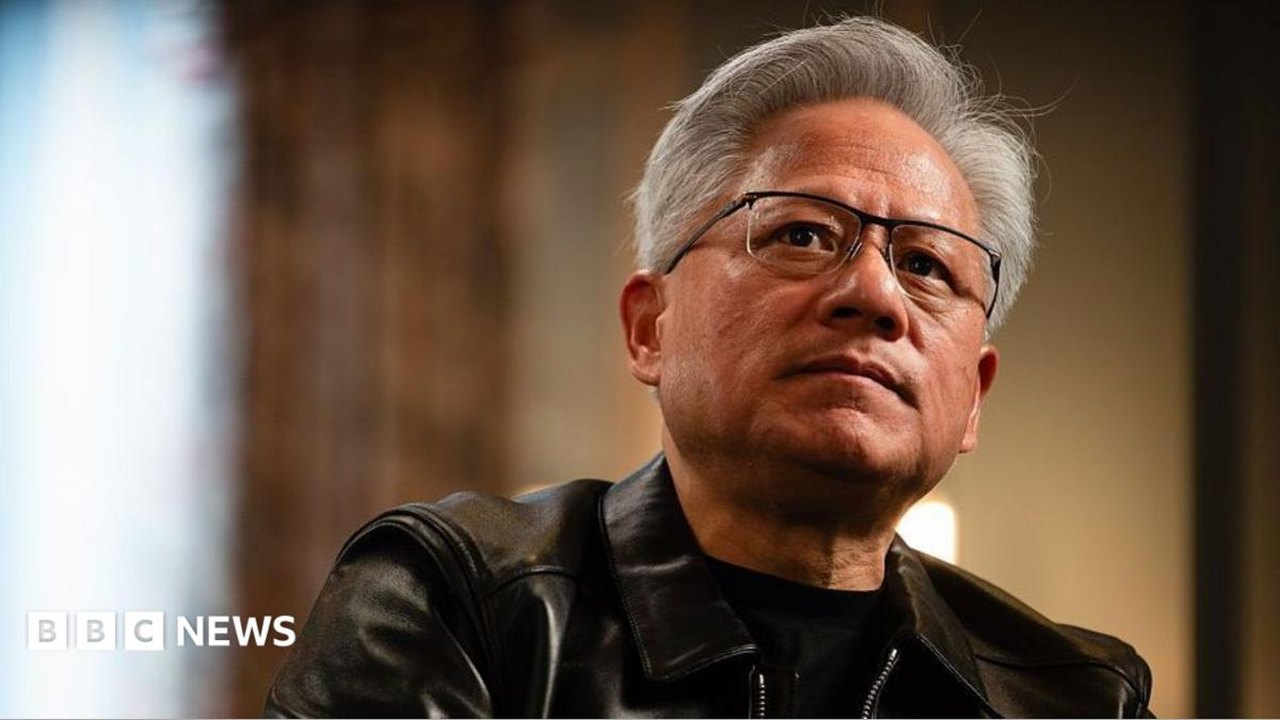
Image: BBC News · Photo source · Resized and letterboxed to 16:9; no AI generation
The Departure of a Key Figure
Nvidia faces a period of transition following the resignation of co-founder and CEO Jensen Huang. His departure, prompted by personal scandal, has generated significant uncertainty regarding the company’s future strategy and its role in the global artificial intelligence (AI) economy. While the firm currently maintains a valuation of $3.8 trillion and interim leadership insists on 'business as usual,' market analysts are debating the long-term impact on the broader technology sector.
Economic Influence and 'Circular Financing'
Nvidia has become central to US market growth through its dominance in AI-processing microchips. However, analysts point to the company’s unique 'circular financing' model as a potential vulnerability:
- Direct Investment: Nvidia has provided significant funding to its own customers and supply chain partners.
- Supply Chain Dependency: Concerns exist that if Nvidia reduces this investment, it could impact infrastructure projects across the industry.
- Market Reaction: Some investors worry that a withdrawal of funding could cause a slowdown, though experts note that competitors like AMD and Broadcom remain active.
Future Outlook
While high-profile figures such as Elon Musk have publicly suggested that Huang's return would stabilize critical deals, Nvidia’s board has stated they are not considering his reinstatement. Current projections from Goldman Sachs estimate AI investment may exceed $1 trillion by 2026, positioning the sector as a major driver of business investment. Whether Nvidia can sustain its growth trajectory without its long-time leader remains an open question for shareholders and economists alike.
AI-assisted reporting; source claims are attributed and have not been independently verified.
More to read
 Nvidia Board Chair Addresses Leadership Transition Following Jensen Huang's Resignation
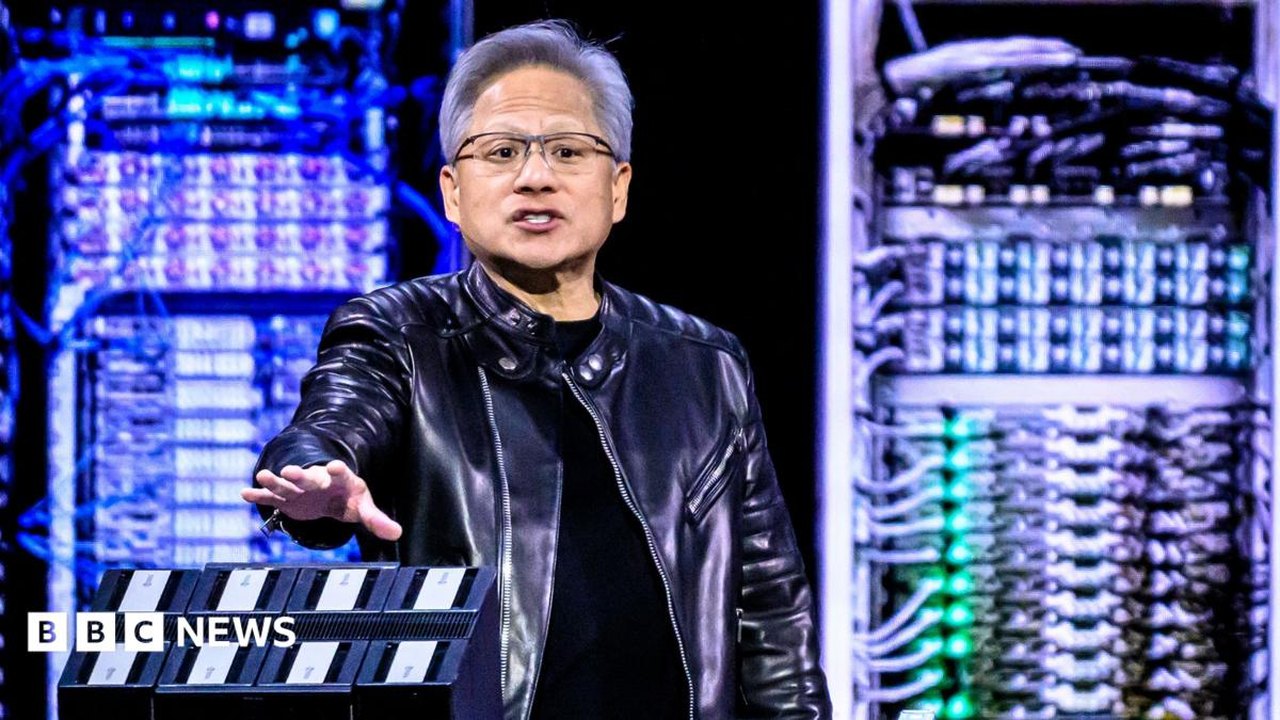 Nvidia CEO Jensen Huang Resigns Following Revelations of Personal Affairs
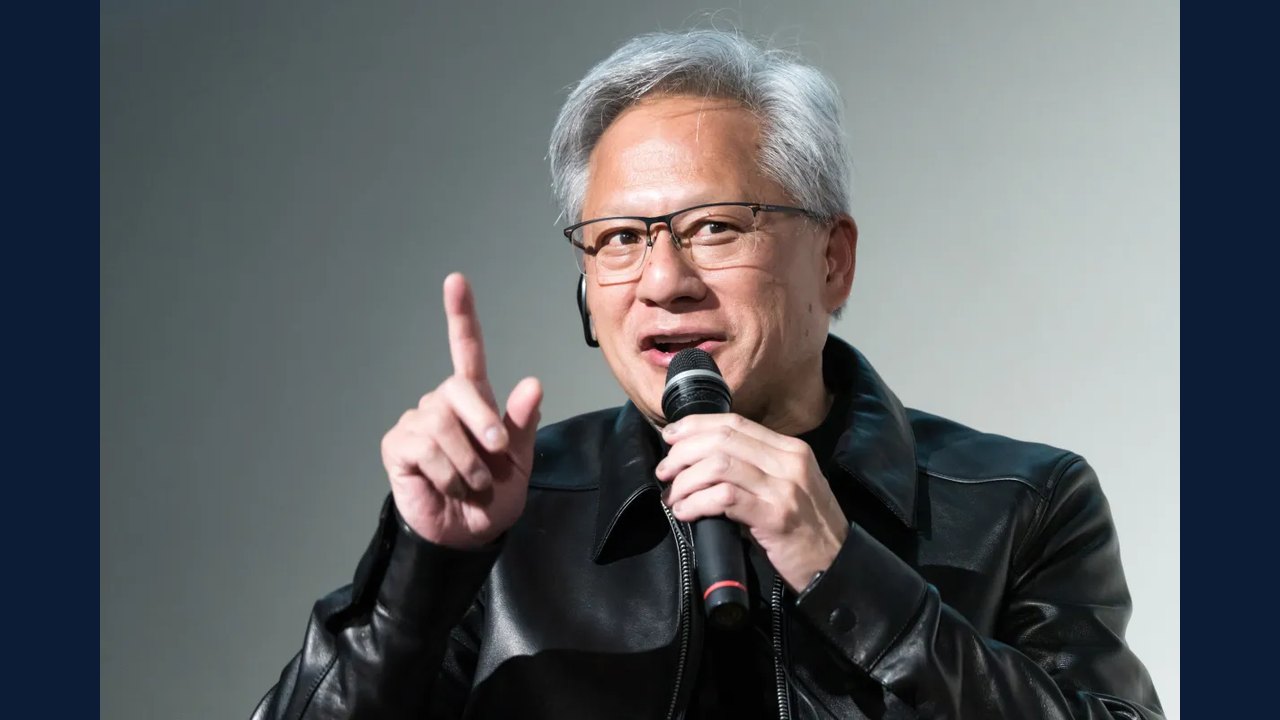 SEC Reportedly Investigates Nvidia Following CEO Jensen Huang's Departure
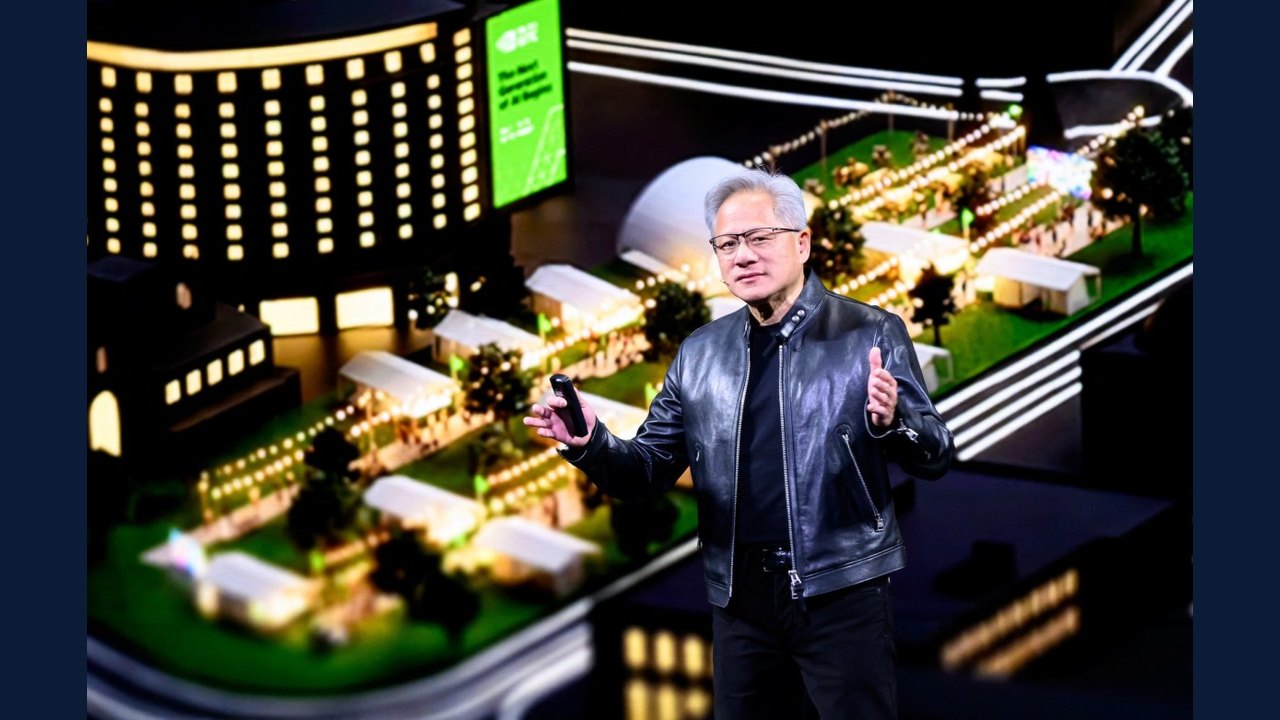 Nvidia to Stop Selling H200 Chips in China Following Jensen Huang's Ouster