Optometry Expert Dr. Harlan Snyder Discusses Managing Chronic Dry Eye Beyond Artificial Tears
· GlobeWire Daily Editorial Desk · Source: www.prnewswire.com
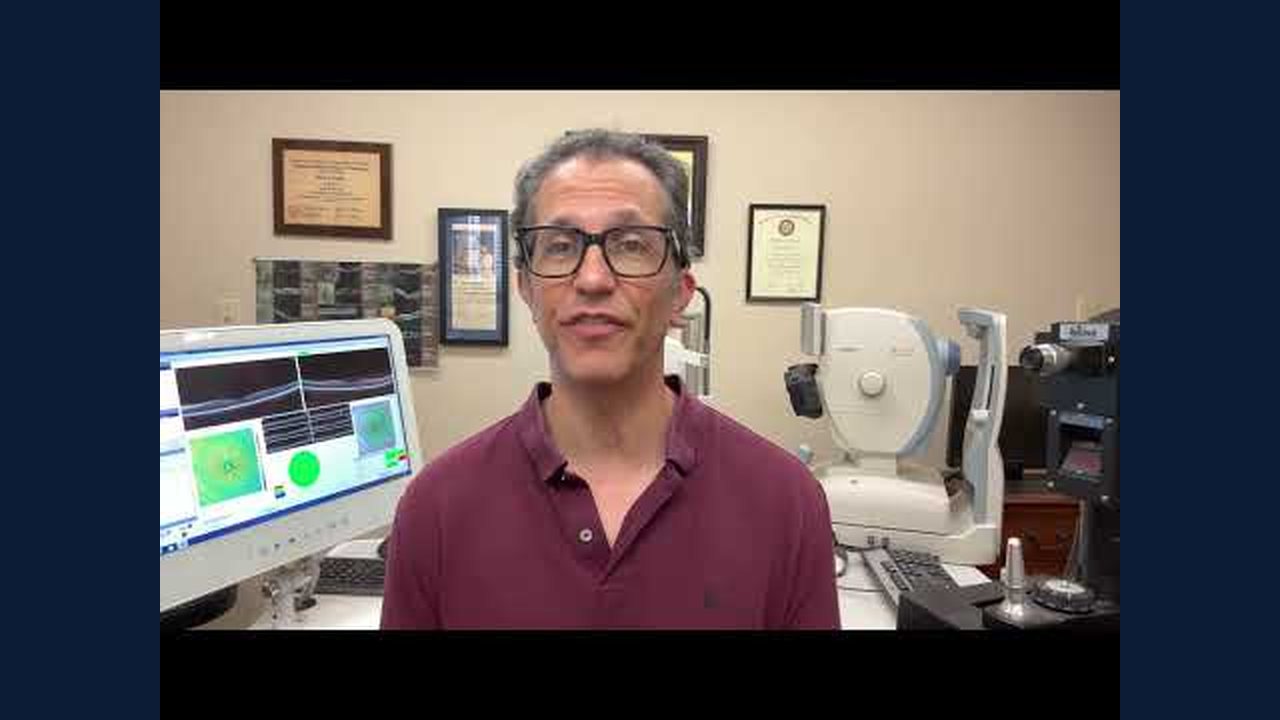
A recently published HelloNation article featuring insights from optometrist Dr. Harlan Snyder of Snyder Optometry in Alhambra, California, examines why persistent dry eye symptoms frequently require more than over-the-counter lubricating drops.
While artificial tears can offer temporary relief for occasional dryness caused by screen time, reading, or environmental factors, Dr. Snyder notes that ongoing symptoms often point to underlying issues that simple drops cannot resolve.
Understanding the Causes of Chronic Dry Eye
The article outlines several factors that contribute to chronic dry eye, highlighting that tear film issues can arise even when a person produces adequate tears. Key factors discussed include:
- Meibomian Gland Dysfunction: Blocked or malfunctioning oil glands can cause tears to evaporate too quickly.
- Inflammation: Surface irritation can create a cycle where dryness increases inflammation, which in turn worsens dryness.
- Environmental and Lifestyle Influences: Extended screen use, air conditioning, contact lenses, and smoke exposure can exacerbate symptoms.
- Other Contributors: Aging, hormonal shifts, certain medications, and underlying medical conditions.
The Role of Comprehensive Eye Exams
According to the article, individuals experiencing persistent discomfort should seek a comprehensive evaluation rather than relying solely on assumptions or temporary fixes. During an exam, an eye care provider can assess tear film health, examine eyelids, and check for specific problems like gland dysfunction or surface inflammation.
Treatment plans tailored to the individual may range from practical lifestyle adjustments to prescription therapies, depending on the diagnosed cause.
How to Verify and Learn More
Readers interested in exploring the original insights can review the full article published on HelloNation, a community-focused media platform. Consulting a qualified eye care professional is recommended for anyone experiencing persistent eye symptoms to determine an appropriate diagnostic and treatment approach.
More to read
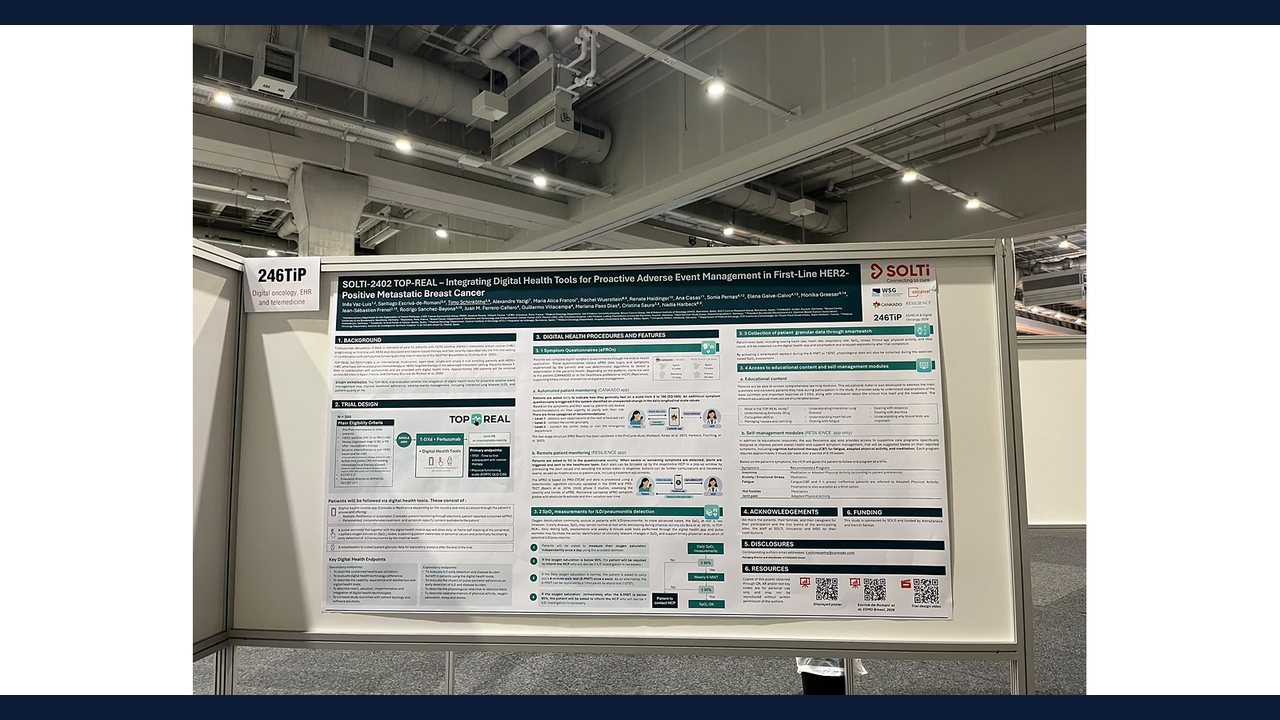 TOP-REAL Study Explores Digital Monitoring to Support Early Toxicity Detection in Metastatic Breast Cancer
 Leverage Shares by Themes Outlines ANUU, a 2x Leveraged Anthropic ETF Launching Monday
 Toyota Enhances the 2027 Sienna with Comprehensive Powertrain and Safety Upgrades
 Isar Aerospace Begins Construction at Spaceport Nova Scotia for Canadian Launch Site