Silicon Valley and Beyond Turn to Tech to Tackle Stubborn Landfill Odours
· GlobeWire Daily Business Desk · Source: www.bbc.co.uk
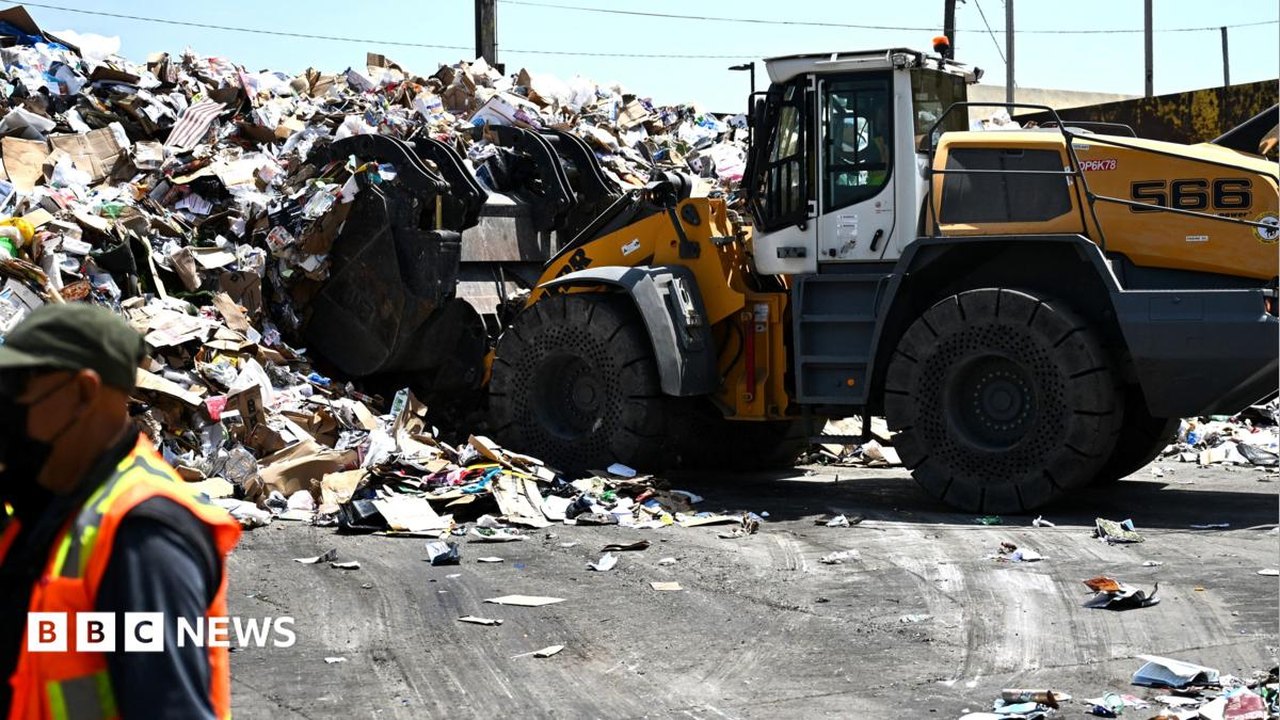
Image: BBC News · Photo source · Resized and letterboxed to 16:9; no AI generation
Communities around the world are increasingly turning to technology, including drones and electronic monitors, to track and tackle persistent industrial and landfill odours.
In Milpitas, California, local authorities have ordered the operators of the 342-acre Newby Island landfill to use drones, install monitors, and automate the collection of landfill gases to systematically measure chemicals responsible for local bad smells. Residents near the site have long reported enduring daily odours.
Global Challenge of Environmental Odours
Managing unpleasant smells from waste sites, sewage treatment plants, and factories remains complex. Many regions lack specific regulations governing environmental odours; in the United States, for instance, the Environmental Protection Agency does not classify environmental odours as pollutants, leaving local and state governments to manage the issue.
Urban sprawl often compounds the problem by bringing residential developments closer to industrial facilities that were previously isolated. Experts note that rising land values and infilling are driving up demand for advanced odour monitoring and prevention technologies.
Technological Solutions and Limitations
Industrial odour-fighting technologies generally fall into three approaches: absorbing odours, neutralizing them through chemical reactions, or thermal destruction. According to specialists, effective systems can remove 90% or more of target compounds when operated correctly. However, high costs sometimes lead operators to choose simpler methods, such as spraying large quantities of deodorisers, though odour experts express scepticism regarding the long-term effectiveness of industrial air fresheners.
In Des Moines, Iowa, authorities implemented a data-driven approach costing approximately $240,000 annually. By establishing a network of chemical monitors combined with weather stations, city officials can track odour plumes and correlate wind patterns with specific facilities. Local meat processing companies, including Smithfield Foods, have also invested millions in upgrade systems, such as thermal oxidisers, though some dispute being the source of specific complaints.
Practical Implications and Verification
While traditional odour control often relies on human panels—a method known as olfactometry—electronic sensors offer real-time, data-backed insights. However, experts emphasize that human perception of odours remains highly subjective, making complete elimination difficult.
To verify original municipal announcements and local regulatory orders, interested parties can consult official records from local city councils, environmental protection agencies, or municipal departments of neighbourhood services.
AI-assisted reporting; source claims are attributed and have not been independently verified.
More to read
 Why Silicon Valley AI Firms Are Shifting Hiring Strategies to Latin America
 The Laundry Science Secrets: How Online Communities Solve Stubborn Stains and Odours
 Nvidia CEO Jensen Huang Backs California Billionaire Tax Amid Silicon Valley Opposition
 Why Silicon Valley Executives Are Facing Backlash Over AI Parenting and Relationship Goals