UK and EU Prepare for Post-Brexit Summit Amid Evolving Economic Pressures
· GlobeWire Daily Editorial Desk · Source: www.theguardian.com
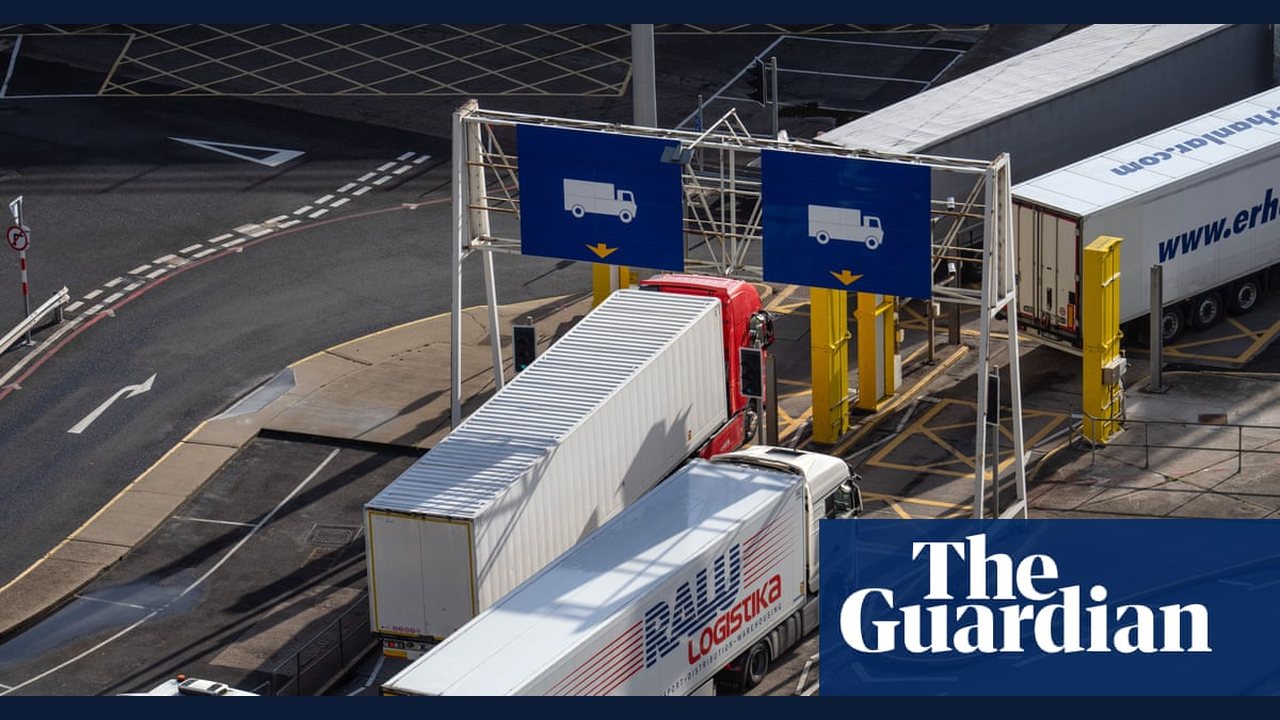
As the UK and the European Union prepare for their second post-Brexit summit in Brussels, analysts and officials are examining the broader economic context shaping the discussions. Prime Minister Andy Burnham is scheduled to meet with European Commission President Ursula von der Leyen and European Council President António Costa against a volatile global backdrop marked by the economic impacts of conflict in the Middle East and shifting international trade policies.
Economic Context and Trade Realities
Since the 2016 Brexit vote, trade between the UK and the EU has faced structural shifts due to new barriers and regulatory red tape. According to analysis by economist Nick Bloom, UK gross domestic product per head is estimated to be between 6% and 8% lower than it would have been without Brexit, while the Office for Budget Responsibility has projected a 4% impact over a 15-year timeframe.
However, performance varies significantly across sectors:
- Goods Trade: UK goods exports to the EU in 2025 remained below 2019 levels in real terms, while exports outside the bloc also saw contractions.
- Services Trade: Conversely, services exports have demonstrated resilience and growth, driven by strength in financial services, legal, accountancy, telecommunications, and IT sectors.
- Independent Trade Policy: Operating outside Brussels has allowed the UK to pursue independent trade arrangements and tariff cuts on specific items, though critics argue this sacrifices global negotiating leverage compared to the collective weight of the EU.
Domestic and Continental Challenges
The UK has seen notable growth in artificial intelligence adoption, ranking third globally in the Index and outperforming major EU nations partly due to a lighter regulatory approach. Concurrently, the UK has grown at the second-fastest pace in the G7 over the current year, aided by tech sector momentum.
For the EU, member states face distinct pressures. Germany has grappled with high energy costs and heightened international competition affecting its industrial base, while France has navigated domestic political uncertainties. Conversely, eastern European economies like Poland and certain southern European nations have reported post-pandemic recoveries.
Summit Agenda and Practical Steps
Discussions in Brussels are expected to address targeted areas of cooperation:
- A potential youth mobility scheme.
- A food and drink trade agreement projected to yield economic benefits.
- An emissions linking agreement aimed at cross-border environmental cooperation.
Observers note that while closer alignment could offer measurable economic advantages—such as estimates by Goldman Sachs suggesting single market rejoining could boost GDP over the long term—domestic political debates and divergent priorities continue to influence the path forward. Readers can verify official announcements and updates through the UK government's official publishing channels or European Commission briefings.
More to read
 Reform UK considers electoral pact with Restore Britain amid polling pressures
 US President Donald Trump Arrives in Shenzhen for APEC Summit Amid High-Level Diplomatic Engagement
 Rome's Trevi Fountain Sees Drop in Coin Donations Amid New Access Barriers and Fees
 SAG-AFTRA Announces Public Policy Task Force to Advocate for Universal Healthcare Amid Member Struggles