UK-EU Trade Deal: Why Lower Food Prices Are Not Guaranteed
· GlobeWire Daily Business Desk · Source: www.bbc.co.uk
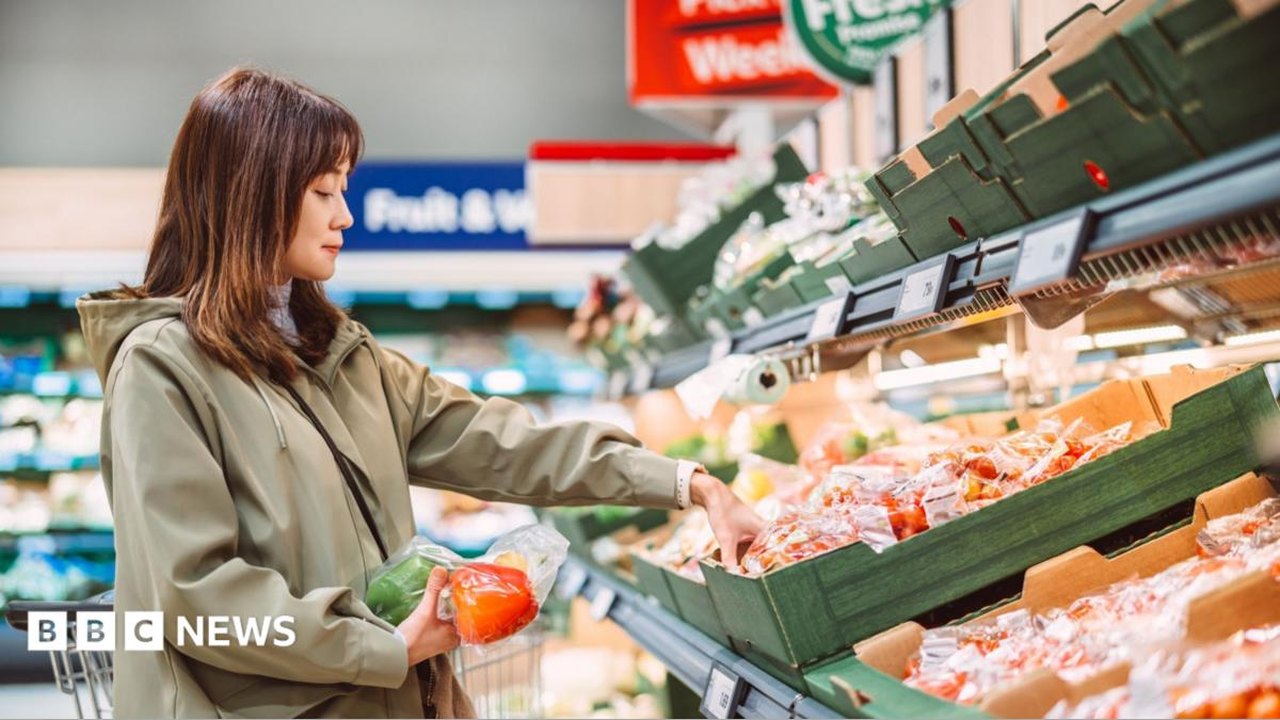
Image: BBC News · Photo source · Resized and letterboxed to 16:9; no AI generation
Overview
The UK government has announced a new agreement with the European Union aimed at reducing trade barriers for food exports. While the deal is intended to streamline logistics and minimize red tape, industry experts and business leaders caution that it may not translate into lower grocery prices for consumers in the near term.
Impact on Food Trade
The agreement focuses on removing complex bureaucratic hurdles that have hampered exports since 2019. Key improvements include:
- Reduced Documentation: Elimination of excessive paperwork that previously caused delays for perishable goods.
- Operational Efficiency: Removal of stringent border check requirements, such as specific ink colors or Latin animal naming conventions.
- Market Access: Facilitating easier access for smaller food exporters to return to the EU market.
Market Realities
Despite the government's optimism, major retailers remain non-committal regarding price reductions at the checkout. Industry insiders point to significant global economic volatility, including energy costs influenced by the conflict in the Middle East, as major factors that override the marginal savings gained from reduced administrative burden.
Economic Outlook
Government projections estimate an economic gain of £5 billion by 2040 from this deal, with a broader impact of £17 billion annually when including emissions and youth movement agreements. Critics, however, emphasize that these gains come with the trade-off of aligning UK regulations with EU standards, particularly concerning pesticide and fungicide controls. Whether this 'food-first' model will be expanded to sectors like automotive and chemicals remains a significant subject for future political and constitutional debate.
AI-assisted reporting; source claims are attributed and have not been independently verified.
More to read
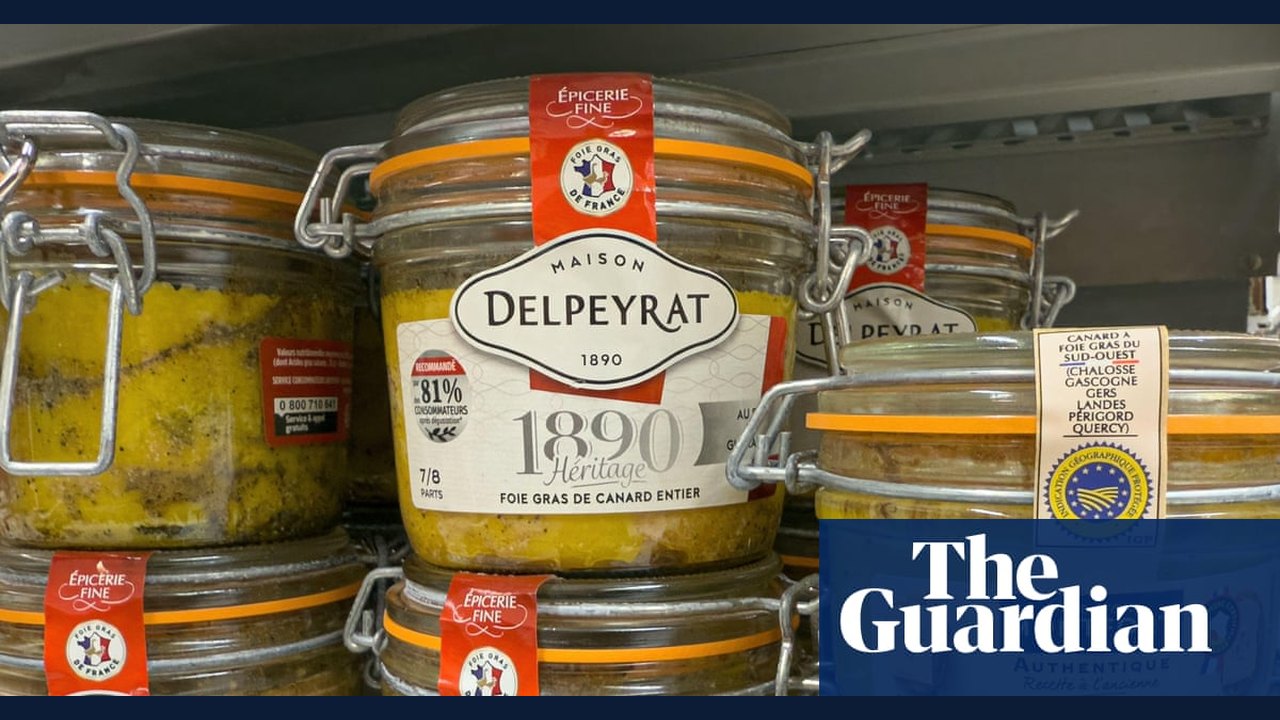 Ministers Expected to Drop Foie Gras Import Ban to Ease EU Food Trade Deal
 Why Are More Roofs Not Made of Solar Tiles?
 Gold and Silver Prices Decline in Futures Trade on October 27 Amid Weak Demand
 US Trade Deal Will Protect Farmers' Interests, Maintain India's Advantage: Piyush Goyal