UK Income Tax Threshold Freeze Extended to 2031: What It Means for Pay and Pensions
· GlobeWire Daily Business Desk · Source: www.bbc.co.uk

Image: www.bbc.co.uk — Creative Commons
Income tax thresholds will remain frozen at current levels until April 2031, according to documents released by the Office for Budget Responsibility (OBR). While previous freezes have steadily increased the proportion of income taken in tax—often described as a stealth tax—official documents indicate the policy is scheduled to end after 2031, at which point thresholds are expected to rise with inflation again.
Impact on Take-Home Pay and Tax Brackets
Freezing thresholds means that as wages rise to cover the cost of living, a larger portion of personal income becomes subject to tax. The personal allowance threshold remains at £12,570, whereas the OBR notes it would be around £16,070 if it had risen with inflation over the past five years. Consequently, anyone earning above the personal allowance is affected.
Furthermore, frozen thresholds pull more earners into higher tax brackets. The higher-rate threshold remains at £50,271, whereas inflation adjustments would have placed it at £64,470. According to OBR calculations, the ongoing freeze will result in an additional 6.8 million people paying tax by 2031 who otherwise would not have, while another 5.4 million people are projected to become higher-rate taxpayers.
Pensioner Protections and Wider Implications
With the basic state pension rising to £13,036 next April, many pensioners risked being drawn into paying income tax for the first time, as the pension sits just above the £12,570 personal allowance. To prevent this, a new separate Pension Tax Allowance is being implemented to ensure low-income pensioners with income up to the value of the full new state pension will not pay income tax.
National Insurance Contributions (NICs) are levied using the same thresholds, and the policy applies across the UK, including Scotland, though Scottish tax bands vary independently. The Institute for Fiscal Studies (IFS) estimated that ending the freeze immediately would have saved basic rate taxpayers up to £198 a year and higher rate taxpayers £395 a year, though past cuts to NICs have partially offset these tax pressures for middle earners.
Analysis and Verification Guide
- Confirmed Facts: Income tax thresholds are frozen until April 2031, after which they are scheduled to rise with inflation. The personal allowance remains at £12,570 and the higher-rate threshold at £50,271. A new Pension Tax Allowance will protect low-income pensioners up to the full new state pension amount.
- Unknowns and Variables: The exact financial impact in 2031 will depend heavily on wage growth rates at that time.
- Practical Implications: Taxpayers continue to experience fiscal drag, where pay rises push a greater percentage of earnings into taxable brackets.
- How to Verify: Readers can review official economic forecasts and policy details directly through the [BBC News Report](https://www.bbc.co.uk/news/articles/clydn7r5pn1o?at_medium=RSS&at_campaign=rss) and official government budget documents.
AI-assisted reporting; source claims are attributed and have not been independently verified.
More to read
 What the UK Budget Changes for Under-25s: Wages, Housing, and Omitted Reforms
 Vladimir Putin Praises Elon Musk as a 'Real Genius' Amid Discussions on Satellite Coordination
 Chancellor John Healey Unveils £100 Energy Bill Support and Bank Tax Hike in First Budget
 Government to Overhaul Labour Survey to Track Gig Workers and Unpaid Care Work
Trending on GlobeWire Daily
Selected from recent coverage and related topics; not live search rankings.
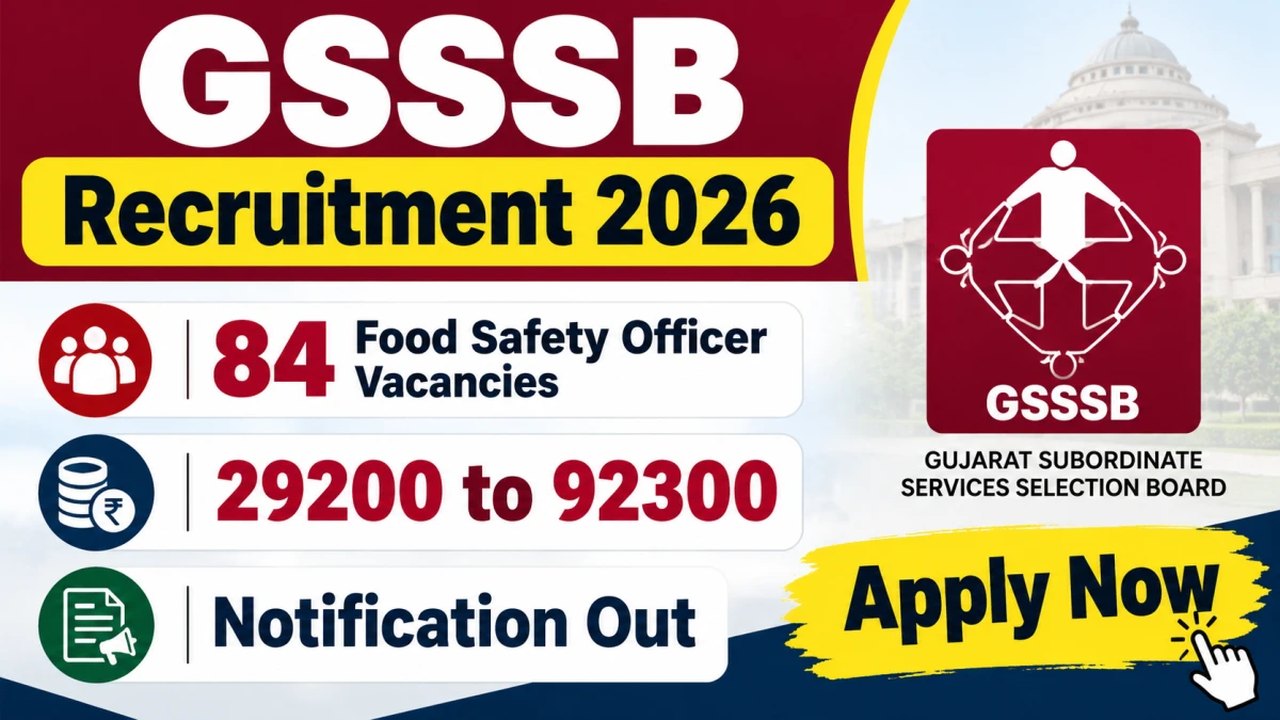 GSSSB Opens Recruitment for 84 Food Safety Officer Posts in Gujarat
 Stay Humble: Gautam Gambhir's Message to India After Record T20I Series Win in New ZealandChancellor John Healey Unveils £100 Energy Bill Support and Bank Tax Hike in First Budget
 NLC India Opens Applications for 1,067 ITI and Graduate Apprentice Positions
 India Women Secure ODI Series Against Zimbabwe After Record-Breaking Win
 Sony Pictures Releases Trailer for 'Jumanji: Open World' Ahead of December Release