UK Inflation Trends: Energy Bill Increases and Consumer Price Shifts
· GlobeWire Daily Business Desk · Source: www.bbc.co.uk

Image: BBC News · Photo source · Resized and letterboxed to 16:9; no AI generation
Inflation Outlook and Energy Forecasts
New data reveals that UK inflation is rising at its fastest rate in a year, compounded by projections of significant increases in household energy bills. While the headline figures present a challenging outlook for households, specific sectors like food retail show signs of competitive pricing stability.
Impact on Energy Bills
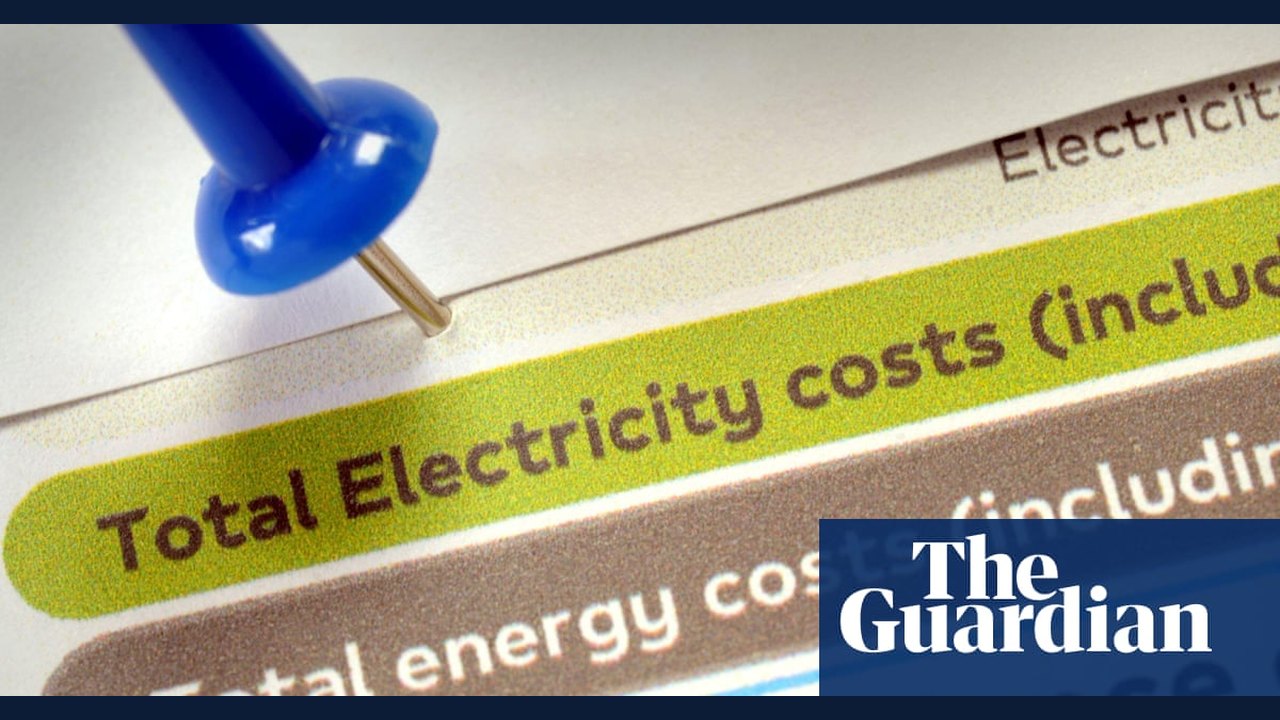
- Energy consultancy Cornwall Insight forecasts a 26% increase in domestic energy costs starting in the new year.
- A typical household could see an annual energy expenditure increase of £443, reaching an estimated £2,166.
- Regulator Ofgem is scheduled to announce the updated price cap for January on Wednesday, 25 November.
- The government has pledged a £100 payment for eligible households in England (council tax bands A to D) to mitigate winter costs.
Consumer Prices and Supermarket Competition
Despite broader inflationary pressures, food price inflation was recorded at 0.9% for the year ending in October. This stability is attributed to intense supermarket competition, which has limited the pass-through of retail cost increases to consumers. Notably, chocolate prices have decreased by 2.9% following a decline in global cocoa costs, though other items like cat food have seen price increases.
Monetary Policy and Economic Outlook
Economists and the Bank of England's Monetary Policy Committee are monitoring the economy for "second-round effects," where energy price shocks influence broader wages and services. While recent data suggests average wage growth has largely kept pace with inflation, the potential for further interest rate hikes remains a subject of debate for the committee’s upcoming meetings in December and February. Analysts advise monitoring official ONS updates and the upcoming Ofgem announcement for the most accurate, localized impacts.
AI-assisted reporting; source claims are attributed and have not been independently verified.
More to read
 UK Households Face Significant Energy Bill Increases Starting January
 How to Navigate the Expected January Energy Price Cap Rise
 Typical UK Energy Bills Forecast to Rise by £443 as Inflation Reaches One-Year High
 Tata Consumer Products Reports Strong Q2 FY27 Results Amid Strategic Price Hikes