Wellness Industry’s Menopause Gold Rush: Hype, High Prices and Real Risks
· GlobeWire Daily Editorial Desk · Source: www.theguardian.com
Summary
The Guardian’s report on the UK’s biggest menopause‑focused consumer fair, Pause Live, shows a booming market where brands sell everything from mushroom‑infused coffee to magnetic underwear, promising relief from hot flushes, brain fog and other perimenopausal symptoms. While the global perimenopause market may reach $25 bn by 2030, experts warn that most products lack solid scientific backing and that many women are being drawn in by aggressive marketing rather than evidence‑based care.
What the Event Showed
- Stalls offered menthol lotions, maca‑root lattes, lion’s‑mane mushroom drinks, pelvic‑floor trainers, and “magnet‑in‑your‑knickers” gadgets.
- Celebrity‑linked brands such as Naomi Watts’s *Stripes Beauty* and L’Oréal’s campaign with Gillian Anderson highlighted the shift from stigma to commercial opportunity.
- Prices often carry a “pink tax” – standard items repackaged for menopause at a premium, as warned by *Which?*.
Expert Viewpoints
- Joyce Harper (UCL reproductive science) notes a “menopause gold rush” and points out that a recent review of 200 supplements found wide ingredient variation and that nearly half lacked vitamin D, the only supplement with strong evidence for bone health.
- Harper also admits the difficulty of resisting social‑media hype, echoing many women’s experience of “click‑bait” ads.
- Xand van Tulleken traces the industry’s roots to the early‑1990s HRT scare, noting that today supplements are often marketed alongside, not instead of, hormone therapy.
Consumer Experience
- Many attendees treat the fair as a social outing, sampling products without expecting miracles.
- Some, like workplace coach Ali Stripling, seek genuine solutions for pelvic health and mental‑wellness support.
- Others, such as podcast host Sam Baker, report no noticeable benefit after stopping supplements.
Risks and Recommendations
- Potential interactions: Unregulated supplements can clash with prescription drugs.
- Misdiagnosis danger: Attributing joint pain or fatigue solely to menopause may mask conditions like arthritis or thyroid disorders.
- Evidence‑based first line: Lifestyle medicine – regular exercise, balanced diet, moderated alcohol – remains the most reliable, low‑cost approach, according to Harper.
- How to verify claims: Check for peer‑reviewed studies, look for transparent ingredient lists, and consult a qualified health professional before spending on “miracle” products.
Outlook
The market’s growth reflects both increased visibility of women’s mid‑life health and the risk of “menowashing” – exploiting vulnerability for profit. While some women benefit from tailored products, the bulk of the industry still leans on hype rather than hard data.
--- *For readers wanting to confirm the original reporting, visit the Guardian article titled “I don’t blame any woman for being sucked in: how the wellness industry is cynically exploiting menopause.”*
More to read
 Gold Prices Decline by ₹900; Silver Drops by ₹5,000 Amid Global Market WeaknessUnderstanding Bullion Market Trends: Why Gold and Silver Prices Dropped and What Investors Should Do
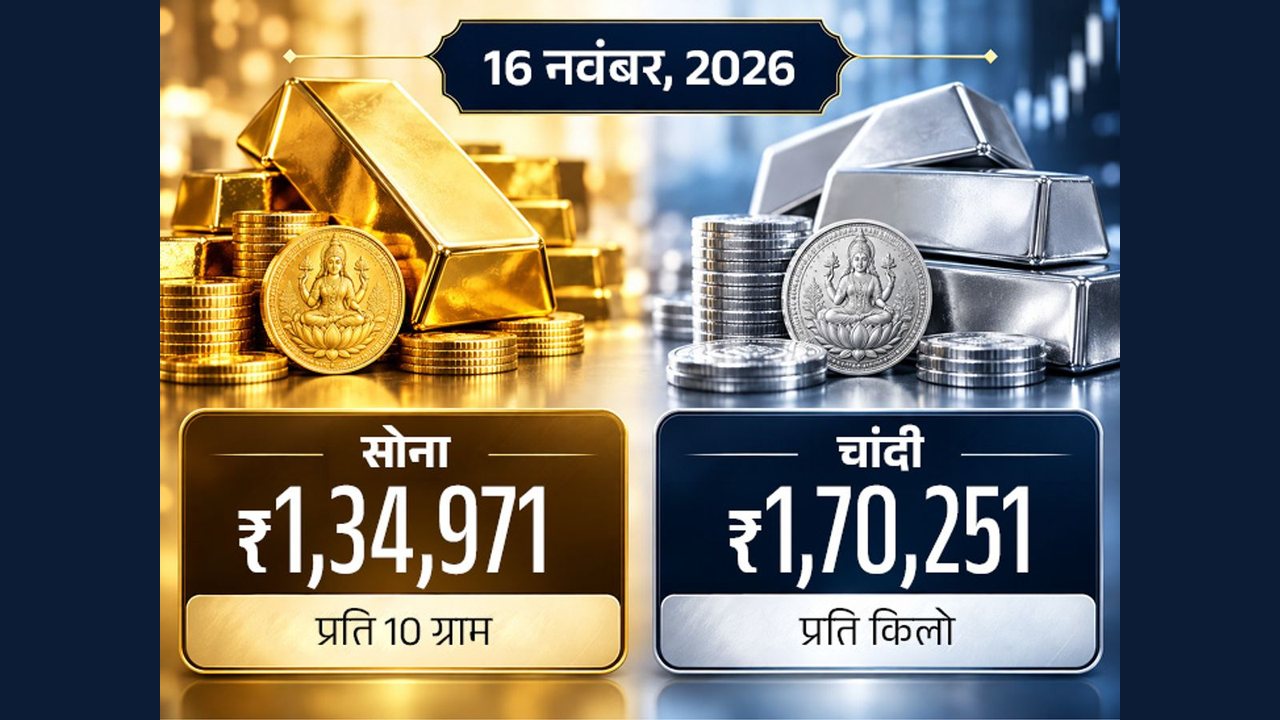 Gold and Silver Prices Drop in India Bullion Market; Silver Reaches 11-Month Low
 PM Modi Addresses Youth in Lucknow, Discusses Gold Prices and Skill Development