Wholesale Inflation Surges to 12.3% in October 2026 Led by Fuel and Food Prices
· GlobeWire Daily Editorial Desk · Source: www.thehindu.com
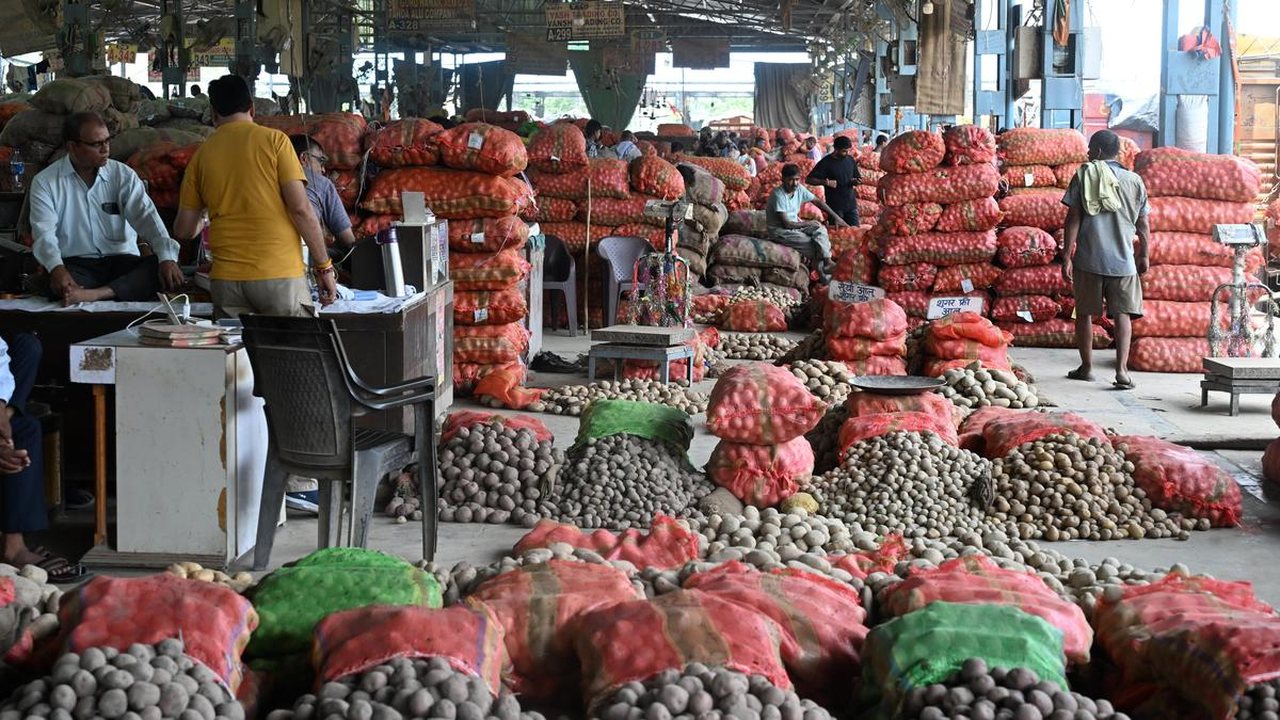
Official data released on Monday, November 16, 2026, shows that India's wholesale inflation climbed to 12.3% in October 2026, marking the second consecutive month of double-digit inflation. According to the Ministry of Commerce and Industry's new Wholesale Price Index (WPI) series, which contains data starting from April 2024, this reading represents the highest level recorded since that period.
Key Drivers of Inflation
- Fuel and Power: The fuel and power category surged to nearly 33% in October, up from about 26% in September, influenced in part by a low base effect following contractions in 2025.
- Crude Petroleum and Natural Gas: Inflation in this sector exceeded 70%, rising to 70.8% in October from 57.3% in September, compared to a contraction of 7.2% in October of the previous year.
- Food Inflation: Food inflation reached 8.3% in October 2026, marking a 22-month high.
- Manufactured Goods: Manufactured items also saw increased price pressures, including rises in textiles, tobacco, chemicals, rubber, metals, and electrical equipment.
Economic Implications and Expert Perspectives
This wholesale price data follows Consumer Price Index (CPI) figures from the previous week, which indicated that retail inflation had also surpassed the Reserve Bank of India’s upper comfort threshold of 6% in October 2026.
- Pass-Through to Consumers: Madan Sabnavis, chief economist at the Bank of Baroda, reported that wholesale price increases are expected to eventually translate into higher retail costs for consumers as companies face pressure to pass on rising input costs, particularly across manufactured goods.
- Interest Rate Outlook: Payal V. Pandya, vice president at Bajaj Broking Prive, argued that the elevated WPI readings make an interest rate hike by the RBI during its December Monetary Policy Committee meeting a near certainty. Analysts note that higher rates could potentially impact lending, investments, and overall consumption, while geopolitical tensions in the Russia-Ukraine region add further risks to economic growth.
Verification
Readers can verify these figures by consulting the official data releases published by the Ministry of Commerce and Industry on the government's economic data portals.
More to read
 Samsung rolls out first One UI 9.0 update for Galaxy Tab S12+ and S12 Ultra with October 2026 security patch
 Tinned Food and Long-Life Milk Boost Retail Sales After Government 'Be Ready' Campaign
 Social Poker with £5 Stake Surges in Popularity Amid Cost-of-Living Pressures
 How to Shield Savings and Pensions from the UK’s Rising Inflation