Why Handcrafted Leather Remains a Staple of British Luxury Manufacturing
· GlobeWire Daily Business Desk · Source: www.theguardian.com
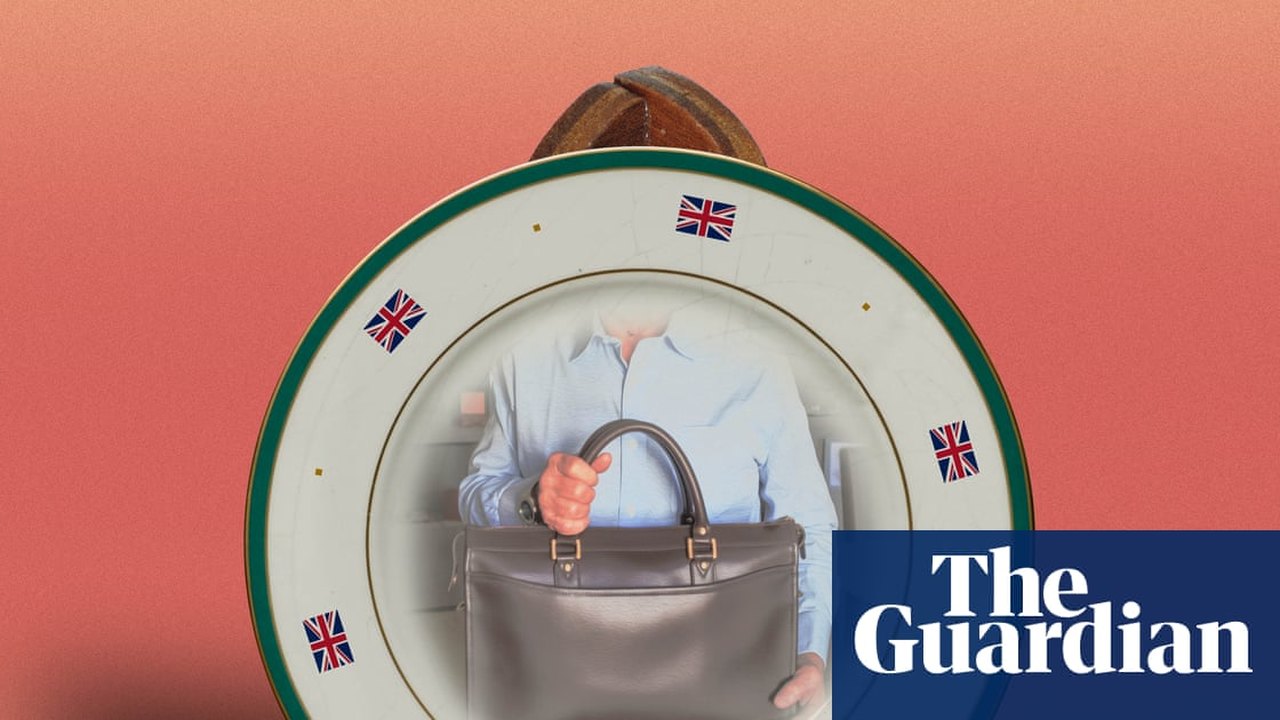
Image: www.theguardian.com · Photo source · Cropped to 16:9; original source image
The Resilience of Handmade Production
In the West Midlands town of Walsall, a historic hub for leatherworking, the Ettinger factory stands as a testament to the endurance of traditional craftsmanship. Unlike mass-market luxury goods often produced via automation, the items manufactured at this site—ranging from wallets and cigar cases to specialized dog accessories—are primarily crafted by hand. According to CEO Robert Ettinger, the intricacies of working with natural hides mean that human precision is essential. "You can’t bring in robots," he notes, emphasizing that every piece undergoes a detailed process of cutting, thinning, gluing, and hand-stitching.
Historical Context and Industry Decline
Walsall has been synonymous with the leather trade since the Middle Ages, initially flourishing through the production of saddles and military equipment. By the 1970s, the town remained a powerhouse, hosting approximately 50 leather goods manufacturers. However, the industry has seen a precipitous decline over the last three decades, with national employment in the sector dropping from roughly 37,000 to 7,000 workers. Today, only a handful of factories remain in Walsall, with Ettinger operating as a small-scale, expert team of approximately 20 employees.
The Challenge of Workforce Development
Despite a recent uptick in interest from younger demographics who favor long-lasting, sustainable products over "fast fashion" alternatives, the company faces a significant challenge: the difficulty of recruiting new talent. Skilled leatherworkers are increasingly scarce, and veterans in the trade observe that there is no formal national equivalent to the structured European apprenticeship systems, such as the German 'Meister' program. This makes it difficult to train the next generation of artisans, a hurdle that current employees believe is essential to overcome to ensure the future of British manufacturing.
Market Position and Consumer Impact
Ettinger maintains a niche position in the luxury market. While big-name luxury labels often command prices in the thousands for handbags, the company markets itself as 'affordable luxury,' positioning its items as durable, multi-decade investments. Their commitment to keeping production in the UK, rather than outsourcing to regions with lower labor costs, has shielded the brand from the intense price competition of mass-produced goods, with recent growth in online and domestic sales suggesting a steady demand for high-quality, heritage-focused craft.
Further Reading
For more details on the manufacturing process and the heritage of British leatherwork, readers can view the full report at the source: https://www.theguardian.com/business/2026/oct/25/ettinger-leather-handmaking-wallets-cigar-cases-walsall
AI-assisted reporting; source claims are attributed and have not been independently verified.
More to read
 U.S. Mahjong Trend Provides Economic Lifeline for Chinese Manufacturing Hub
 Sonay Kartal Climbs to British Number One Ranking Following Wuhan Open Success
 UK Retailers Report Surge in Emergency Supplies Following Government Preparedness Campaign
 Rosebank Oil Field: Engineering Feat at the Center of UK Energy Policy
Related coverage
Related reporting available at publication.
U.S. Mahjong Trend Provides Economic Lifeline for Chinese Manufacturing HubSonay Kartal Climbs to British Number One Ranking Following Wuhan Open SuccessUK Retailers Report Surge in Emergency Supplies Following Government Preparedness CampaignRosebank Oil Field: Engineering Feat at the Center of UK Energy Policy New Government Regulations Pave Way for E100 Flex-Fuel Vehicles in India
 The Hidden Trap of High-Income Financial Fragility: Why More Money Doesn't Always Mean Security