Renault Duster Hybrid vs. Turbo Petrol: Choosing the Right Variant
· GlobeWire Daily Editorial Desk · Source: news.abplive.com
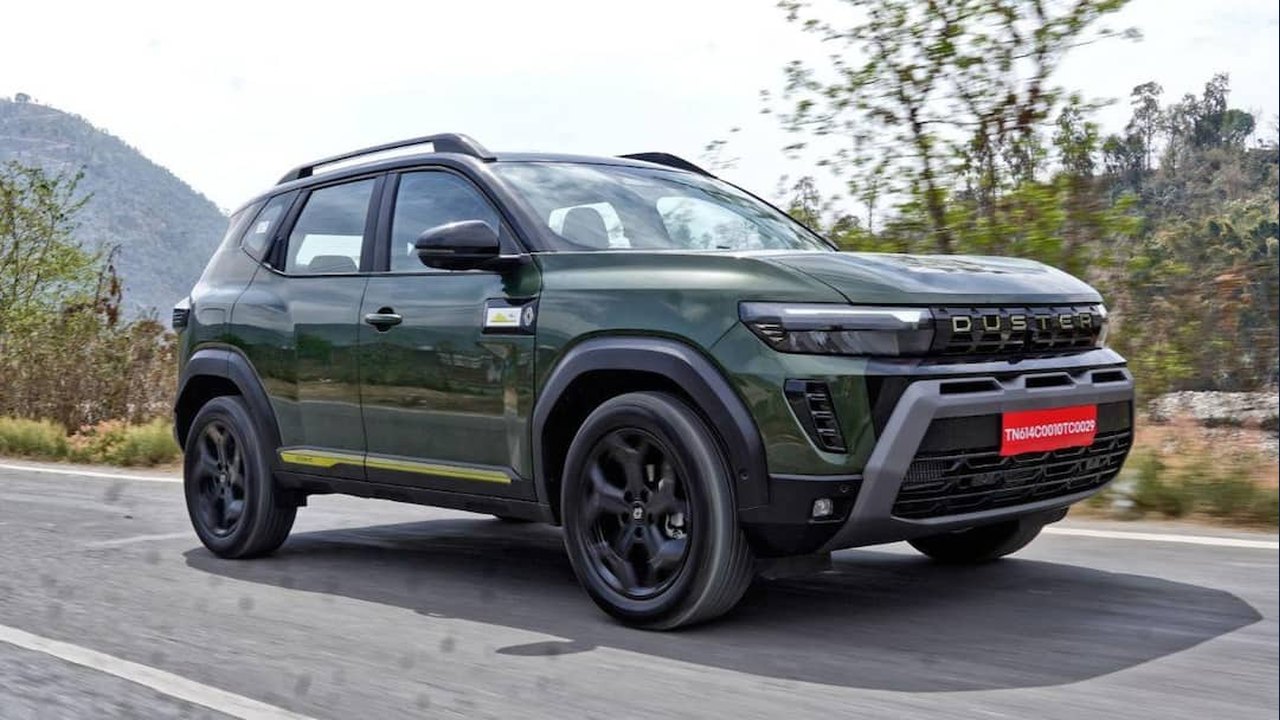
Image: Somnath Chatterjee · Photo source · Resized and letterboxed to 16:9; no AI generation
Renault has introduced the Duster Hybrid alongside its existing Turbo Petrol lineup. Deciding between the two depends on a buyer's priority regarding fuel economy, driving dynamics, and feature sets.
Powertrain and Performance
The Duster Hybrid utilizes a 1.8-litre four-cylinder engine paired with two electric motors and a 1.4kWh battery, generating 160 bhp. It focuses on efficiency, with an ARAI-claimed mileage of 29 kmpl.
The 1.3-litre Turbo Petrol variant offers 163 bhp, delivering more power and torque. While it is more spirited on the road, its fuel efficiency is rated at 18.45 kmpl, which is lower than the hybrid model.
Key Differences
- Efficiency: The hybrid system is significantly more fuel-efficient in real-world scenarios and offers a greater driving range.
- Driving Experience: The hybrid provides a quieter, smoother, and more relaxed drive, particularly in city traffic where it can operate on electric power. The turbo petrol is faster and more responsive.
- Features: The Turbo Petrol model includes advanced features such as ADAS and a 360-degree camera. The hybrid version skips these features but introduces unique cosmetic touches like illuminated Duster badging and a new brown interior.
Pricing and Value
The Turbo Petrol variant is the more budget-friendly option, with prices ranging from Rs 12.9 lakh to Rs 16.9 lakh. In contrast, the Duster Hybrid is positioned at a premium, priced between Rs 16.99 lakh and Rs 19.99 lakh.
Prospective buyers should evaluate whether the higher fuel efficiency and relaxed driving experience of the hybrid justify the increased entry price, or if the lower purchase cost and additional safety features of the Turbo Petrol align better with their requirements.
AI-assisted reporting; source claims are attributed and have not been independently verified.
More to read
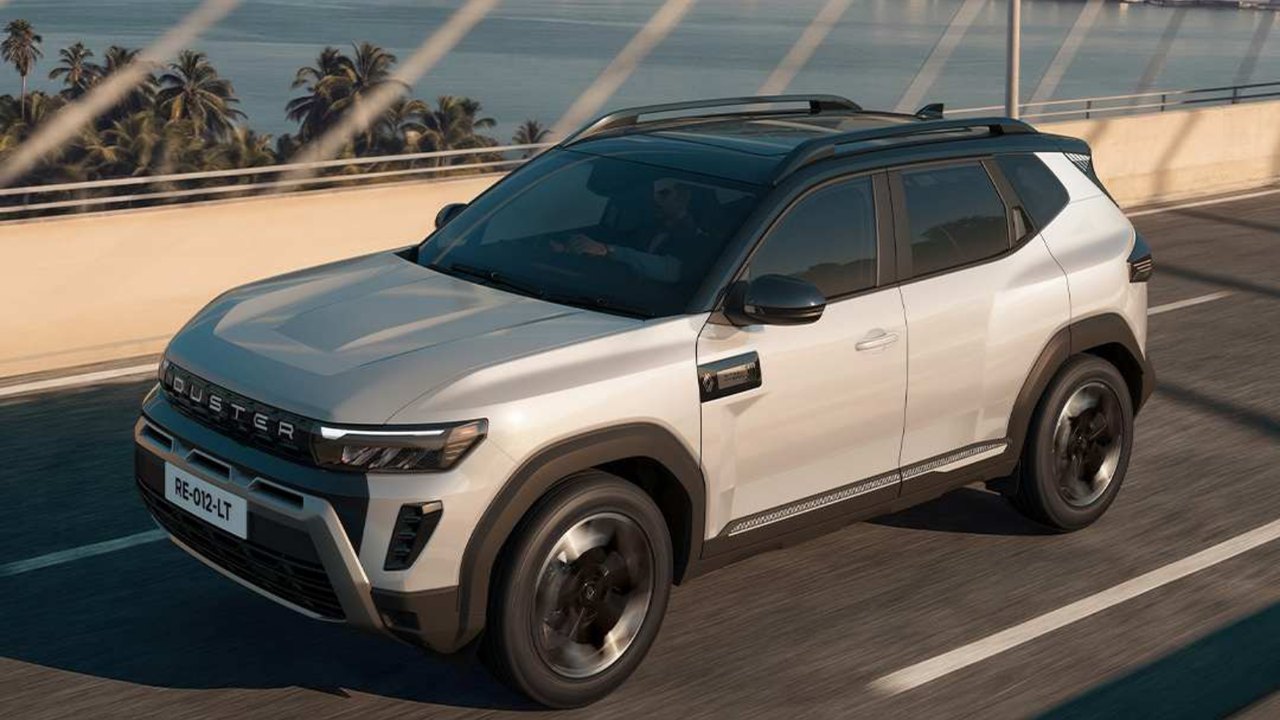 Renault Duster Strong Hybrid launched in India with prices from ₹16.99 lakh ex‑showroom
 5 Key Observations From Driving the Renault Duster Hybrid
 Renault Duster Hybrid e-Tech 160 Review: Performance, Efficiency, and Market Placement
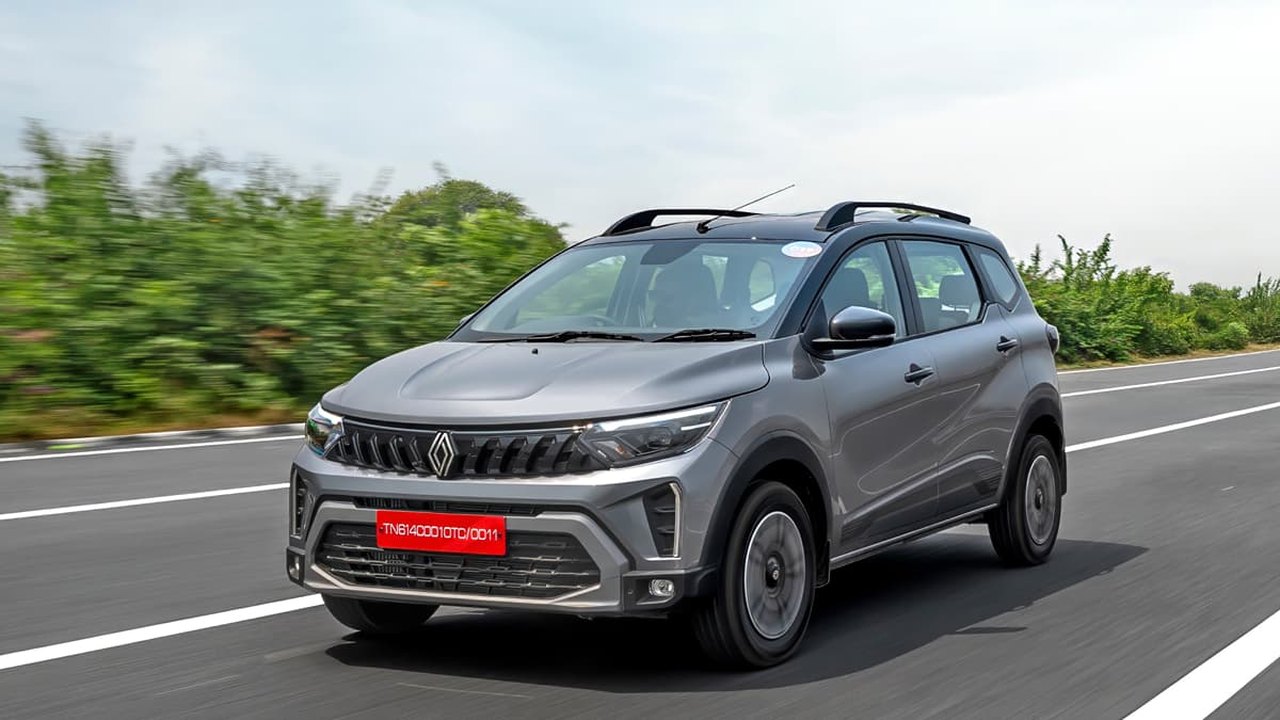 Renault Triber Turbo-Automatic Updates and Expert Car Buying Advice