Addressing Root Causes of Conflict: A UN Volunteer's Perspective in Ecuador
· GlobeWire Daily Editorial Desk · Source: www.un.org
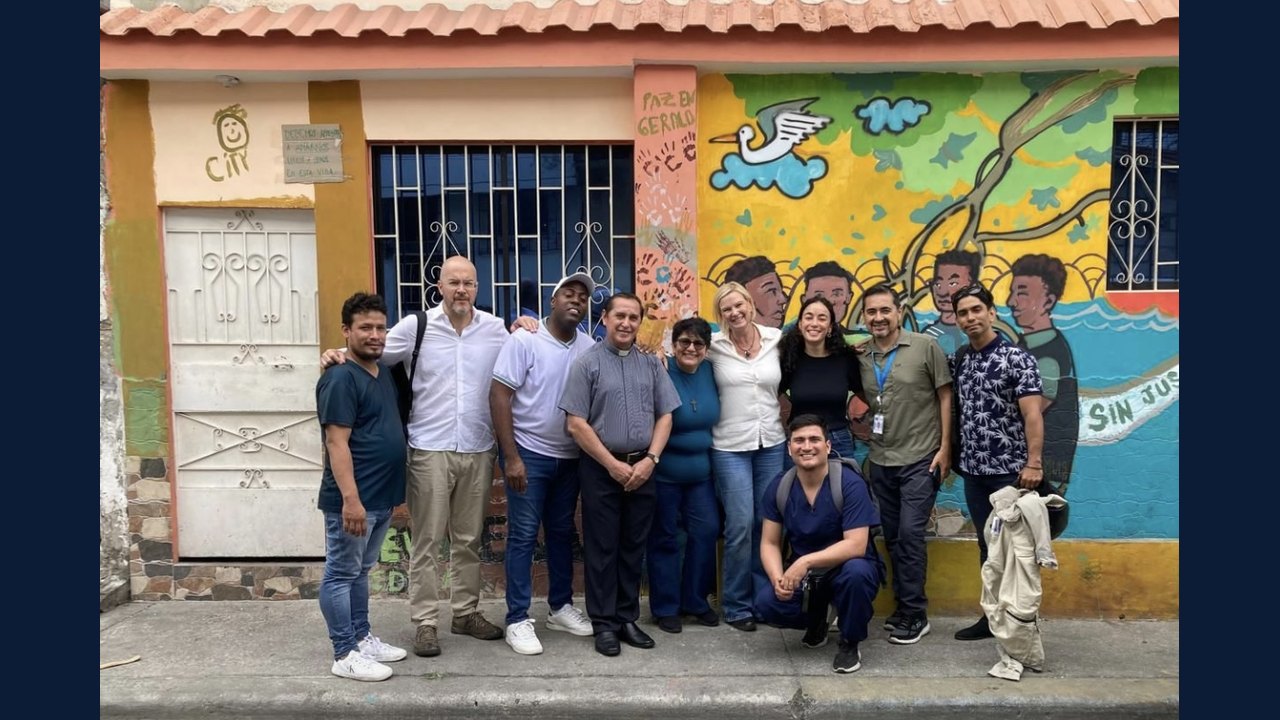
Image: United Nations · Photo source · Resized and letterboxed to 16:9; no AI generation
According to a United Nations Volunteers feature published on the official UN website, Ecuador faces significant challenges regarding social cohesion, marginalization of Indigenous Peoples, and a rising security crisis linked to organized crime. The report highlights the work of Noémie Dreux, a French national serving as a UN Volunteer Conflict and Violence Prevention Specialist with the United Nations Development Programme (UNDP) in Ecuador.
Context of Tensions and Exclusion
The source notes that despite constitutional recognition of interculturality in Ecuador, Indigenous Peoples and local communities have experienced historical marginalization. Genuine dialogue remains described as fragile and uneven, contributing to ongoing societal tensions.
Role and Initiatives of the UNDP Team
Working alongside the UNDP team and partners, Dreux focuses on capacity-building and vulnerability analyses. Key aspects of the reported initiatives include:
- Capacity Building: Designing and leading training on interculturality and conflict prevention for local governments, academic institutions, and civil society organizations.
- Inter-Institutional Collaboration: Engaging with national entities such as the Ministry of Interior and the Ministry of Government, alongside international cooperation actors.
- National Security Planning: Supporting the Ministry of Interior, in partnership with the Inter-American Development Bank, in developing a National Plan for Citizen Security to balance crime control with preventative measures addressing structural drivers of violence.
Importance of Field Continuity
Dreux's two-year UN Volunteer assignment is cited as providing continuity on the ground. This duration allows for deeper engagement with local counterparts, an understanding of institutional dynamics, and alignment with national priorities compared to short-term funding mechanisms.
Practical Implications and Verification
The report emphasizes that addressing root causes—such as exclusion, limited access to services, and governance gaps—is viewed as central to sustaining peace and development. Readers seeking to verify original announcements or learn more about UN Volunteer assignments can consult official UN Volunteers and UNDP communication channels.
AI-assisted reporting; source claims are attributed and have not been independently verified.
More to read
 How Conflict In The Gulf Region Triggers A Severe Marine Environmental Crisis
 LSU President Instructs Will Wade to Bench RJ Luis Following SEC Conflict
 Divided Israel Faces Internal Unrest Amid Escalating Gaza Conflict
 New Study Examines Voluntary Return of Yemeni Diaspora During Ongoing Conflict