Growing Up Displaced in Cameroon After a Decade of Conflict
· GlobeWire Daily Editorial Desk · Source: globalvoices.org
Overview of the Conflict and Displacement
Children displaced by Cameroon's ongoing armed Anglophone conflict face significant challenges even after reaching safety. In Buea, the capital of the Southwest region, some displaced children balance schooling with market trading to help their families survive. The Anglophone crisis began in 2016 with teacher and lawyer protests over the marginalization of English-language education and common-law systems, escalating into armed conflict in 2017 between government forces and separatist groups seeking independence for the English-speaking regions known as Ambazonia. The United Nations High Commissioner for Refugees (UNHCR) estimates that between 2.1 and 2.2 million people have been displaced.
Impact on Children and Livelihoods
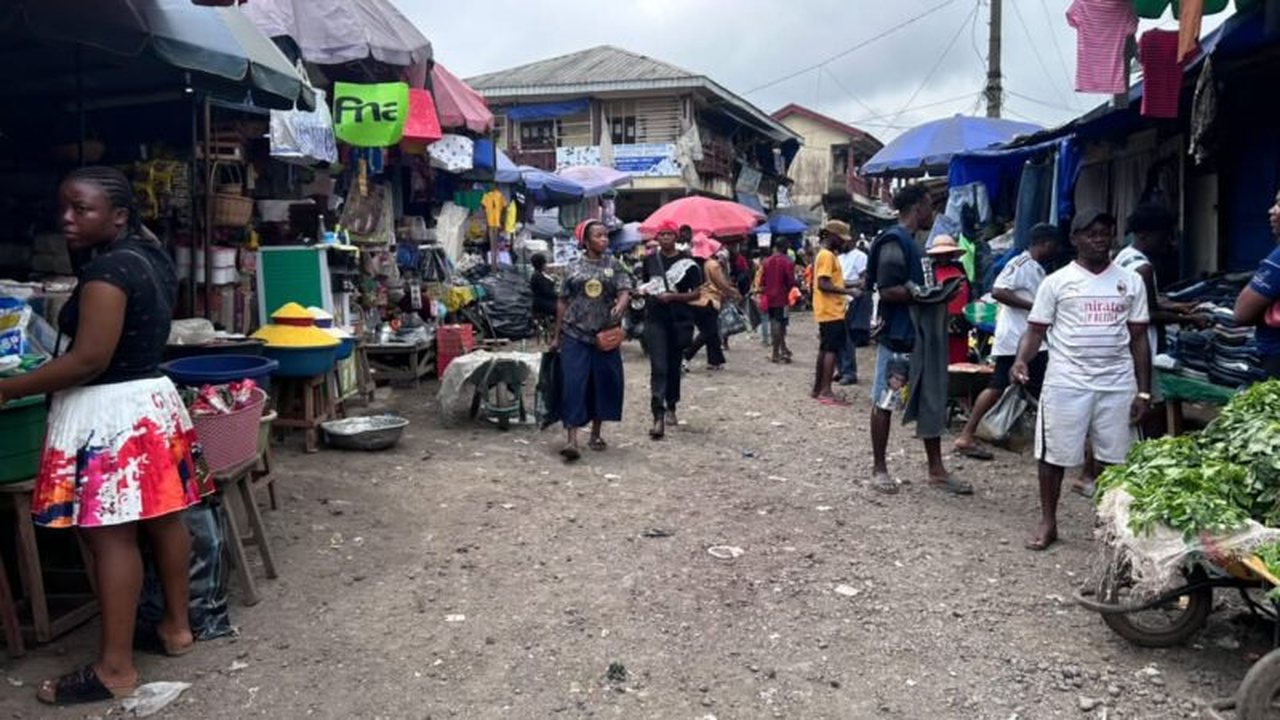
At Buea's OIC Market, children from displaced families sell goods such as bleach, plantains, and oranges during weekends and before school.
- Joy (14): Travels from Mutengene to Buea on weekends to sell bleach to support her household.
- Sidoine (14): Fled Ekona after her house was burned, losing four years of schooling before receiving help to re-enroll in Buea.
- Michelle (12) and Lorane (11): Help their parents sell plantains and attract customers on weekends.
Godiva Ndang epse Limene, Education and Partnerships Officer at Street Child UK-Cameroon, notes that the prolonged crisis has profoundly affected education, protection, and development, adding economic pressures that can impact cognitive and emotional well-being.
Educational Disruptions and Support Initiatives
Figures from the Regional Delegations of Basic Education cited by UNICEF in September 2026 indicate that 223,749 children were completely out of school in the Northwest and Southwest, with 2,463 schools non-operational. Local partners including TeenAlive, FIED, SHUMAS, and AMEF support Mobile and Satellite Learning Corners in accessible locations. Organizations like Street Child also provide resilience training, mental health assistance, and initiatives like Play for Peace.
At the start of the 2026–2027 academic year, Southwest Governor Bernard Okalia Bilai emphasized the goal of ensuring equal access to education and learning facilities despite regional disparities.