Is the US-Israel war on Iran turning into a 'frozen conflict'?
· GlobeWire Daily Editorial Desk · Source: www.aljazeera.com
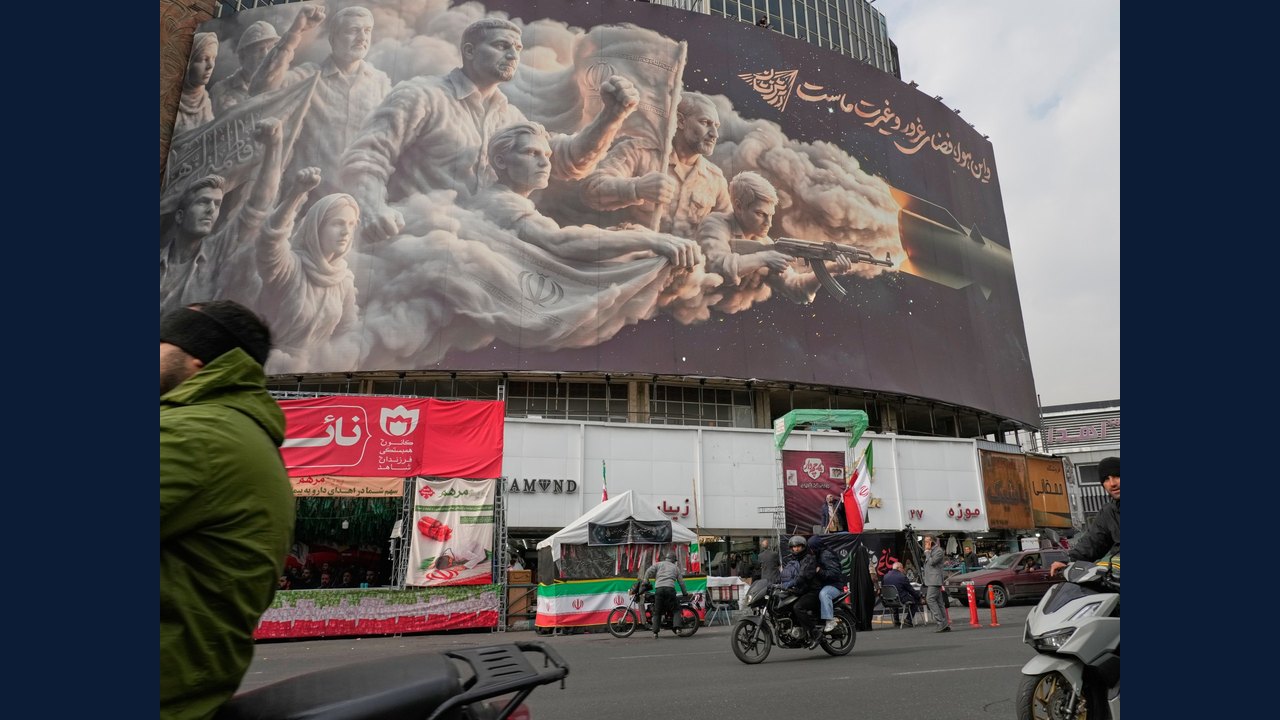
Image: Heba Habib · Photo source · Resized and letterboxed to 16:9; no AI generation
US President Donald Trump has indicated that Washington is in no hurry to end the ongoing war with Iran, stating on social media that the US does not need a deal. This comes amid mixed messages from the administration, as Trump previously called the war militarily over while noting he would resume strikes if diplomacy failed. Analysts suggest the conflict risks turning into a prolonged, frozen confrontation as both sides maintain rigid positions.
Background and Current Stalemate
The conflict began in February with US and Israel strikes on Iran. Although a brief memorandum of understanding was signed in June following talks in Pakistan, the truce collapsed over control of the Strait of Hormuz, prompting Washington to reimpose a naval blockade in July. Observers note that ongoing naval restrictions, shipping disruptions, and mutual strikes resemble a siege rather than traditional active warfare.
Political Pressures and Obstacles
- Domestic Politics: Trump’s Republican Party suffered heavy losses in the November 3 midterm elections. Vice President JD Vance attributed these losses to the war and its economic fallout, particularly soaring fuel prices.
- Negotiating Positions: Iran has outlined seven conditions for a formal ceasefire and the reopening of the Strait of Hormuz, including the lifting of the US naval blockade, sanctions relief, and the release of frozen funds.
- Strategic Dilemma: Analysts argue that neither side can easily back down. A complete withdrawal without terms leaves Washington with little to show for the conflict, while Iran faces severe economic contraction and high inflation under the blockade.
Historical Parallels
Historians and security analysts point to past stalemates such as the 1980s Iran-Iraq "Tanker War" or the containment of Iraq between 1991 and 2003 as potential parallels. However, experts warn that a frozen conflict centered on the critical Strait of Hormuz poses unique global economic risks due to its impact on international energy markets.
*Officials and analysts emphasize that any verification of future escalation or diplomatic breakthroughs depends on formal announcements from the involved governments and regional mediators.*
AI-assisted reporting; source claims are attributed and have not been independently verified.
More to read
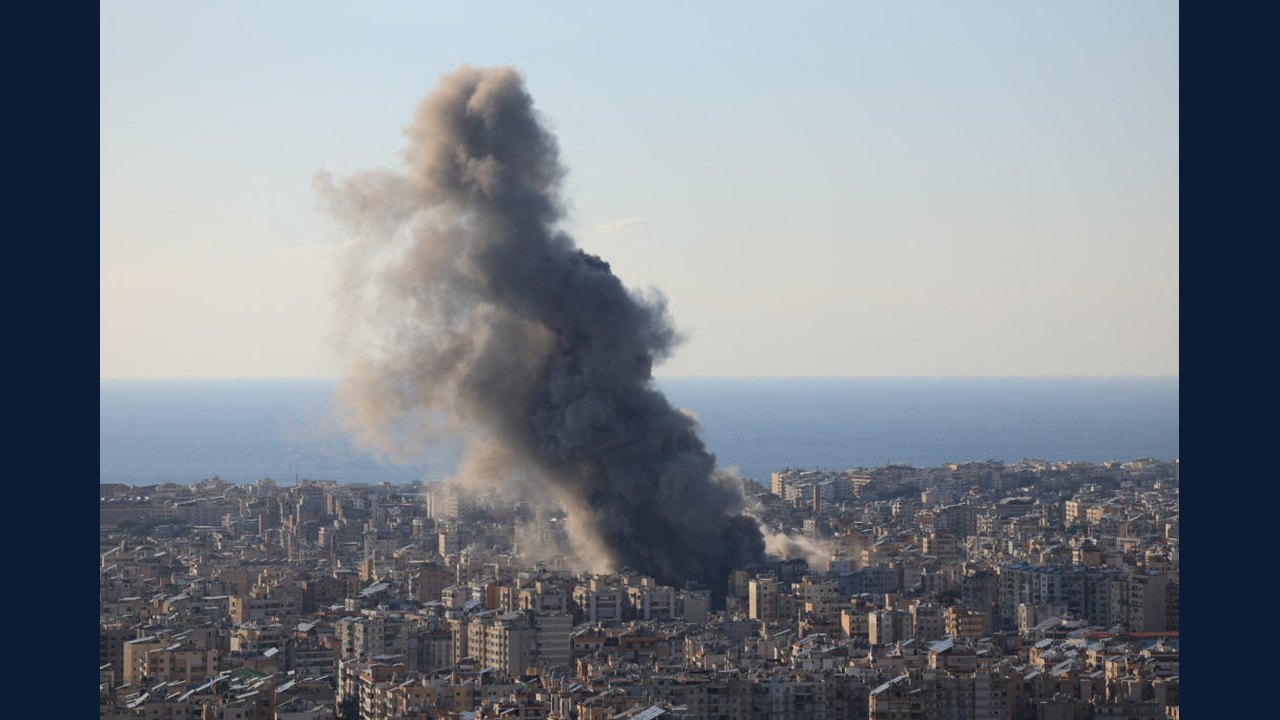 Middle East Conflict Widens as U.S. and Israel Target Iran Amid Regional Escalation
 Iran-Israel Conflict Dashes Holi Travel Hopes for Indians Stranded Abroad
 Divided Israel Faces Internal Unrest Amid Escalating Gaza Conflict
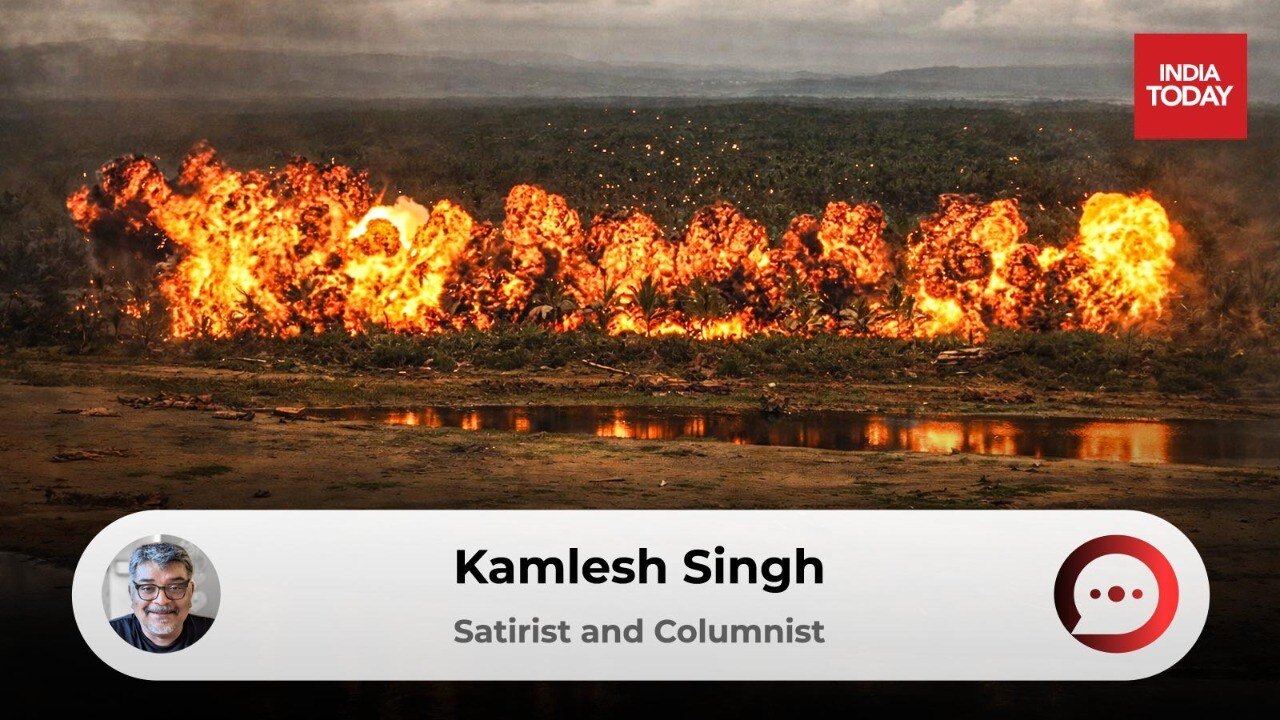 Opinion Analysis: Examining the Strategic Dynamics of the US-Iran Conflict and Regional Reactions