Kherson Experiences Rare Silence Under Temporary Ceasefire, While Residents Fear Renewed Attacks
· GlobeWire Daily Editorial Desk · Source: www.bbc.com

Image: www.bbc.com · Photo source · Resized and letterboxed to 16:9; no AI generation
A Brief Respite in Kherson
Residents of the southern Ukrainian city of Kherson have experienced their first days of quiet in years following a US-brokered temporary ceasefire. The pause in hostilities, which began on Tuesday and is scheduled to conclude on Sunday, has allowed locals to temporarily step away from the constant threat of aerial attacks that have defined daily life near the front line.
Social media footage and eyewitness accounts indicate that people have been walking through streets lined with anti-drone netting, visiting local cafes, and gathering in public squares. According to Ukraine's human rights ombudsman Dmytro Lubinets, the city has "literally come back to life" as residents enjoy the autumn sun and conduct routine errands without immediate danger.
Humanitarian Operation and Evacuations
The temporary truce stems from diplomatic efforts led by US First Lady Melania Trump to facilitate a safe passage out of Oleshky, a Russian-occupied city situated across the Dnipro River from Kherson. Russian forces have reportedly been clearing mines along the road to prepare for a planned civilian evacuation from Oleshky scheduled for Friday, with some American journalists reportedly invited to observe.
However, local officials and analysts have expressed significant concerns regarding the dual purpose of the pause.
- Military Build-up: An anonymous local government source told the BBC that Russian forces are utilizing the lull to reinforce positions, transport military supplies, and deploy additional weapons and drones.
- Strategic Warning: Petro Andriushchenko, Director of Ukraine's Center for Studying the Occupation, reported witness accounts of a military buildup near Radensk, approximately 20 kilometers from Oleshky. He cautioned that while the evacuation aids civilians, it simultaneously provides opposing forces time to prepare for more intense operations once the ceasefire concludes.
Accessing the 'Red Zone'
The quiet has also allowed residents unprecedented, albeit temporary, access to the heavily damaged "red zone" of Kherson—an area typically rendered unlivable due to continuous drone and artillery strikes. Czech volunteer Denisa Bohackova noted that individuals have ventured into previously inaccessible neighborhoods to retrieve belongings, check on properties, or visit gravesites.
While some returned to find their homes looted or reduced to rubble, others used the time for personal journeys. Angela Dobrovolska traveled from Kyiv to visit her husband's grave for the first time in months, following his death in a drone attack two years ago.
Context and Outlook
Since Russia's full-scale invasion began, Kherson's population has decreased from over 250,000 to approximately 65,000, with civilian infrastructure largely operating underground. While no ceasefire violations have been reported since Tuesday, residents remain clear-eyed about the temporary nature of the lull.
Locals anticipate that hostilities will resume on Monday following the completion of the Oleshky evacuation. For verification of ongoing updates, observers should consult official statements from municipal authorities and recognized international news agencies.
AI-assisted reporting; source claims are attributed and have not been independently verified.
More to read
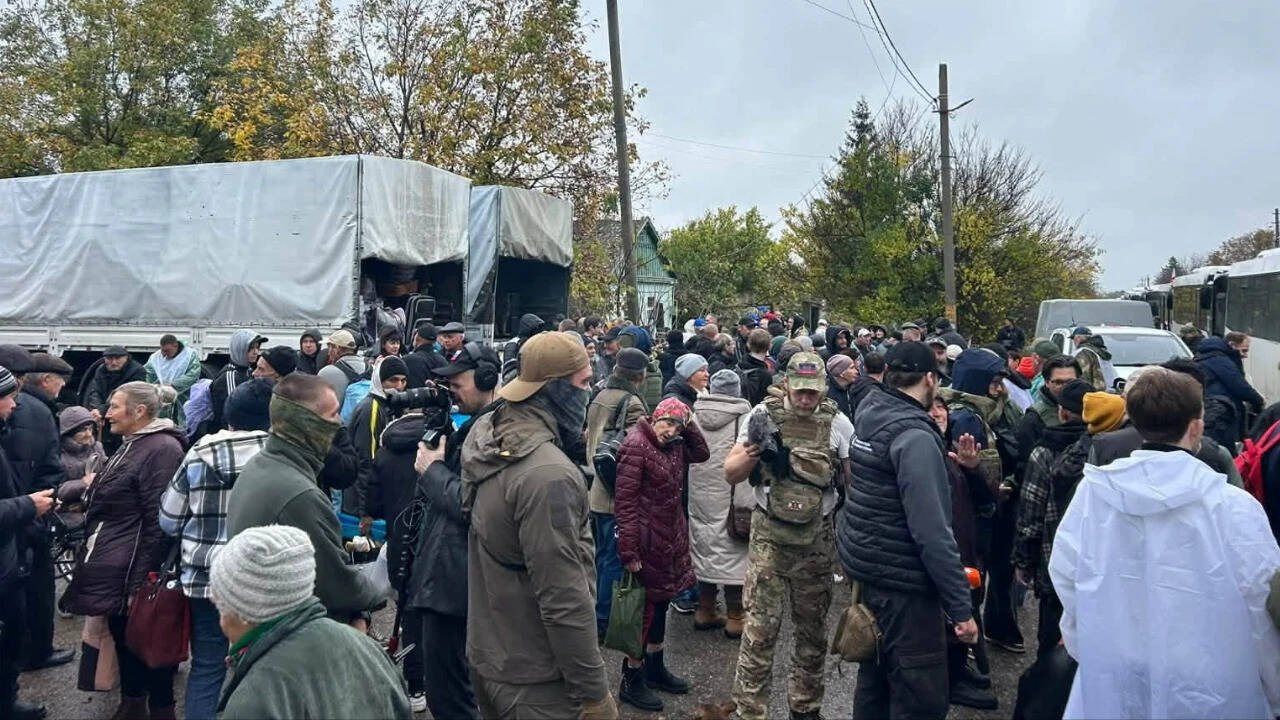 Hundreds Evacuated from Oleshky Amid Rare Russia‑Ukraine Ceasefire, Media Say
 Evacuated Residents from Occupied Oleshky Arrive in Ukraine via Belarus
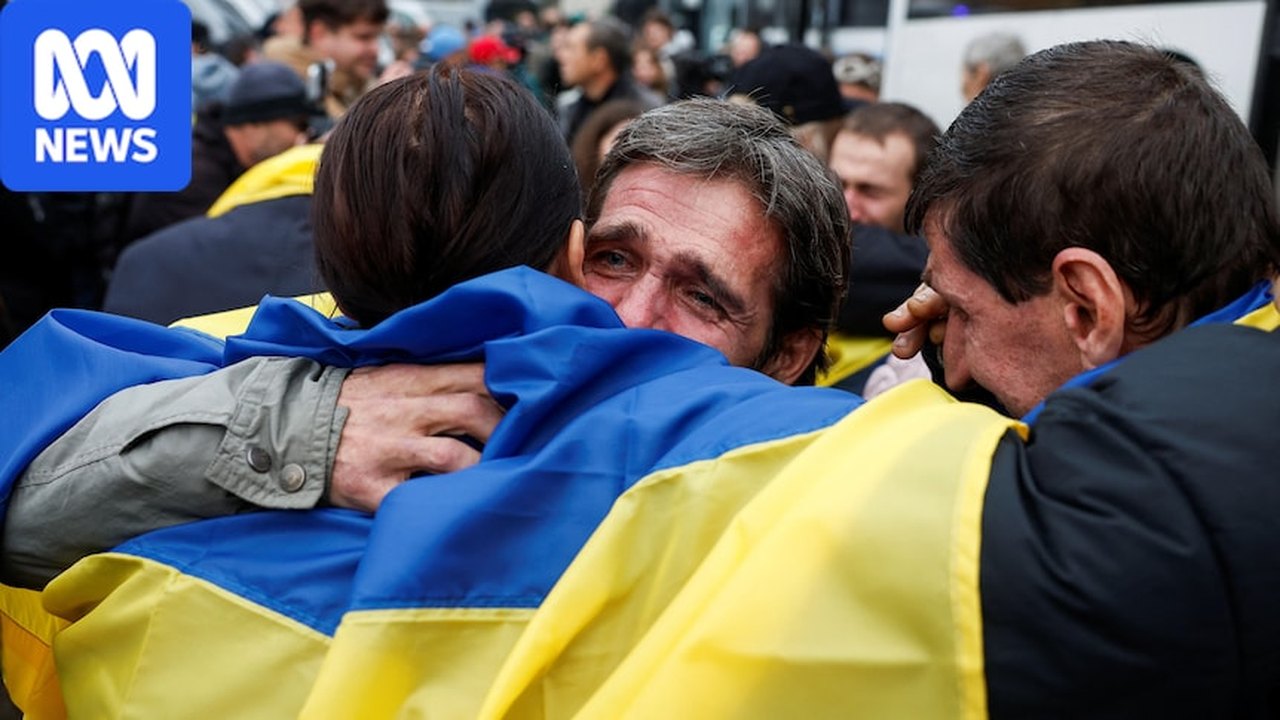 Evacuees from Russian-Occupied Oleshky Reach Ukraine-Controlled Territory Amid Local Ceasefire
 Evacuations Underway in Russian-Occupied Oleshky Following Reported Humanitarian Ceasefire
Related coverage
Related reporting available at publication.
Hundreds Evacuated from Oleshky Amid Rare Russia‑Ukraine Ceasefire, Media SayEvacuated Residents from Occupied Oleshky Arrive in Ukraine via BelarusEvacuees from Russian-Occupied Oleshky Reach Ukraine-Controlled Territory Amid Local CeasefireEvacuations Underway in Russian-Occupied Oleshky Following Reported Humanitarian Ceasefire German Chancellor Warns Against Military Solution to Iran Conflict
 US Vice President JD Vance Sends Peace Proposal to Iran; Tehran's Response Awaited Amid Regional Tensions